


AI Generated Summary
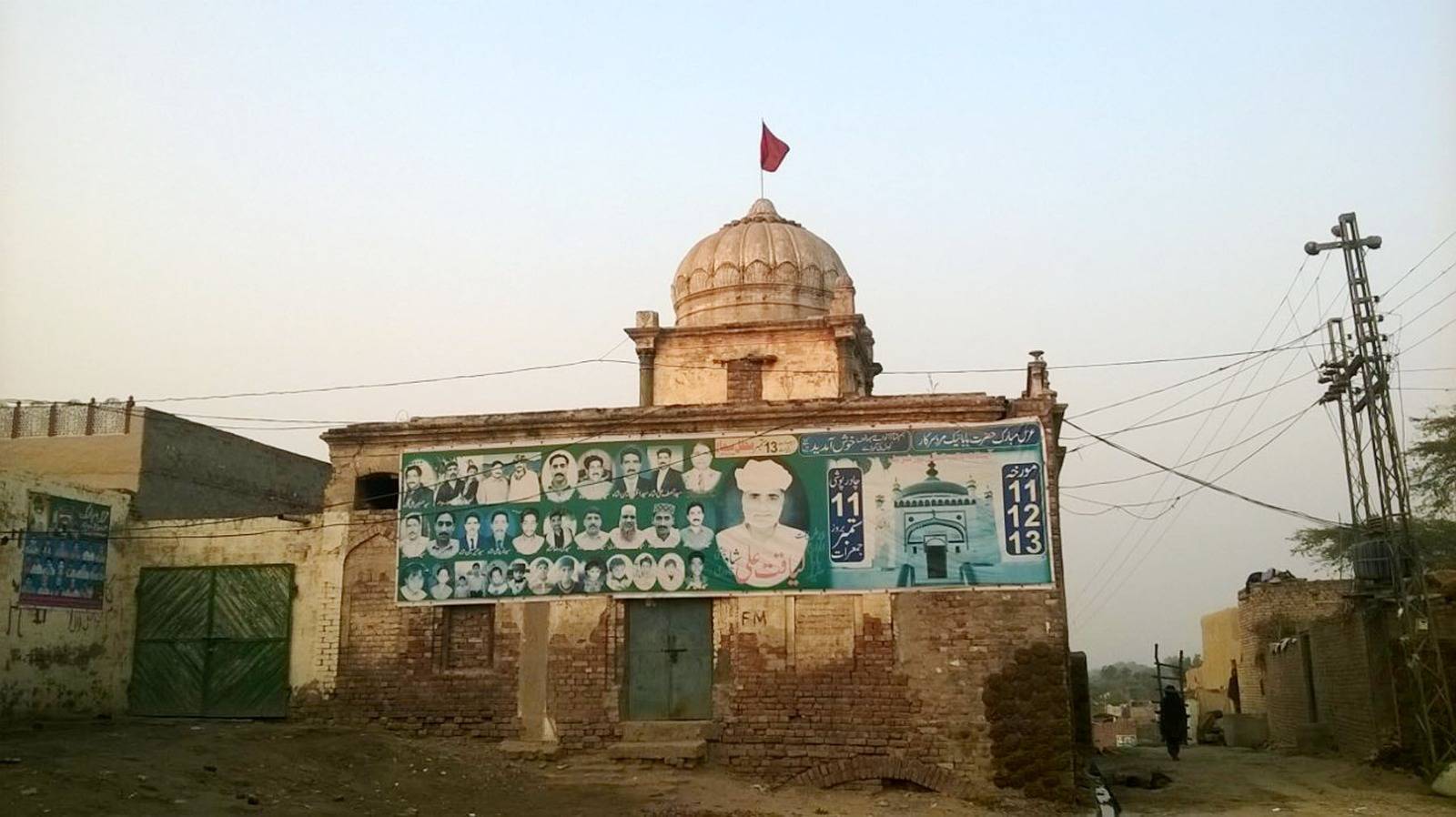
- Pakistan has repeatedly claimed that the historic gurdwaras and Sikh religious heritage located within its territory are fully protected and that the Sikh community enjoys complete freedom to visit and worship at these sacred sites.
- If Pakistan genuinely wishes to be recognized as a protector of Sikh heritage, it must do more than selectively renovate a few prominent gurdwaras for international publicity.
- The history of the Sikh community teaches that the struggle for truth, justice, and religious freedom is never in vain.
Pakistan has repeatedly claimed that the historic gurdwaras and Sikh religious heritage located within its territory are fully protected and that the Sikh community enjoys complete freedom to visit and worship at these sacred sites. On international platforms, Pakistan also attempts to portray itself as a guardian of Sikh heritage. However, when these claims are examined against historical facts and ground realities, several serious questions emerge—questions for which Pakistan has yet to provide convincing answers.
Sikh history is a history of sacrifice, unwavering faith, and extraordinary courage in the face of oppression. It is filled with the stories of great men and women who laid down their lives rather than compromise their beliefs and principles. Among these revered figures, Shaheed Bhai Taru Singh Ji is remembered with immense respect and devotion. According to historical accounts, he firmly refused to accept forced religious conversion. As a result, he was subjected to brutal persecution, and his scalp was removed from his head. Yet he remained steadfast in his Sikh faith until the very end. His martyrdom continues to symbolize religious freedom, dignity, and unwavering commitment to one’s beliefs.
Similarly, Shaheed Bhai Mani Singh Ji made an extraordinary sacrifice in defense of truth and faith. Historical records describe how he endured inhuman torture before attaining martyrdom, refusing to abandon his principles despite immense suffering. The sacrifices of these two great martyrs are not merely a part of Sikh history; they represent an important chapter in the broader struggle for religious freedom and civilizational values in the Indian subcontinent.
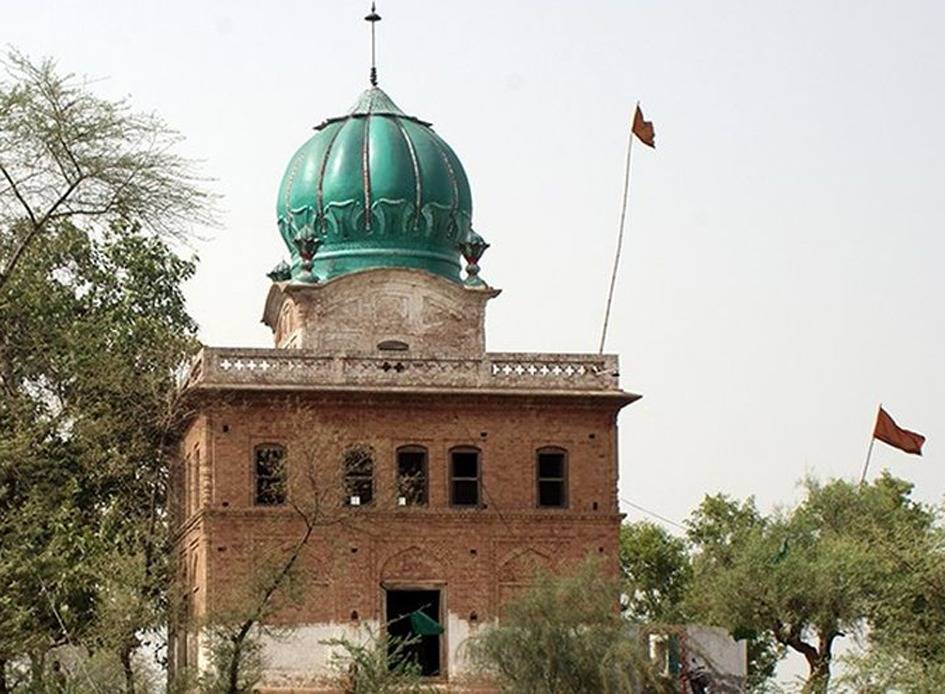
For this reason, the memorials and historical sites associated with these martyrs hold immense emotional and spiritual significance for Sikhs across the world. However, for many years, allegations have surfaced that devotees do not always enjoy regular and unrestricted access to certain historic Sikh sites in Pakistan. Various reports and Sikh organizations have periodically expressed concern that illegal encroachments, local disputes, or administrative restrictions have created obstacles for pilgrims seeking to visit these places. If devotees cannot freely access sacred sites, claims of preservation alone cannot be considered sufficient.
If Pakistan genuinely wishes to be recognized as a protector of Sikh heritage, it must do more than selectively renovate a few prominent gurdwaras for international publicity. It should ensure the protection, restoration, and unrestricted religious access to every historic site associated with Sikh Gurus and martyrs. True preservation is not limited to restoring physical structures; it also means guaranteeing that devotees can visit these sacred places with dignity, respect, and without unnecessary restrictions.
By contrast, the situation in India presents a different picture. Major gurdwaras across the country—whether in Punjab or other states—are not only well preserved but are also managed primarily by the Sikh community itself. Every year, millions of devotees from India and abroad visit these gurdwaras for worship. These sacred places welcome not only Sikhs but also people from diverse religious and cultural backgrounds, many of whom participate in langar (community kitchen), volunteer service (seva), and other community activities. This reflects India’s long-standing cultural tradition of respecting places of worship belonging to all faiths.
The tradition of langar, selfless service, and social equality practiced in Indian gurdwaras is widely admired across the world. During natural disasters, public health emergencies, and humanitarian crises, gurdwaras have repeatedly served society without discrimination. As a result, they are regarded not merely as places of worship but also as centers of humanity, compassion, and equality.
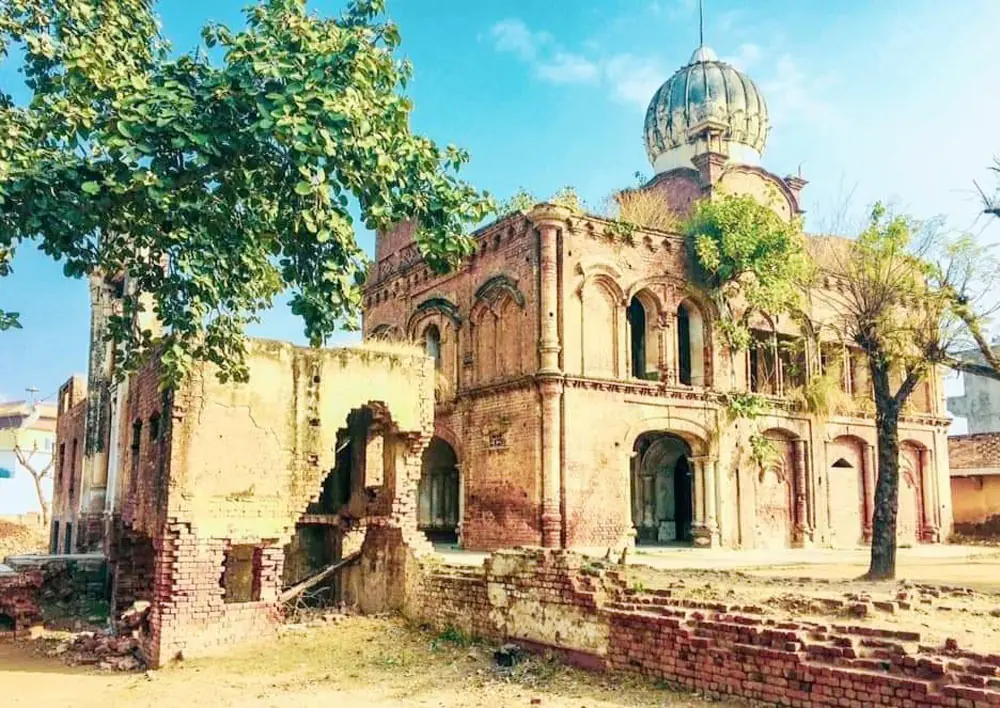
It is equally important that no country use religious sites as instruments of political propaganda. Whenever a noticeable gap exists between official claims and ground realities, it is natural for questions to arise. Genuine respect for religious faith cannot be demonstrated solely through speeches or publicity campaigns; it must be reflected in transparency, preservation, unrestricted access, and the effective protection of the rights of devotees.
The history of the Sikh community teaches that the struggle for truth, justice, and religious freedom is never in vain. The sacrifices of Bhai Taru Singh Ji, Bhai Mani Singh Ji, and countless other Sikh martyrs stand as enduring testimony to this principle. Therefore, preserving every historical site associated with their memory is not merely the responsibility of one nation but a shared responsibility of humanity.
Today, it is essential that the Sikh community and the international community do not accept any claims or narratives without careful examination. Conclusions should be based on verified facts, historical evidence, and the actual conditions on the ground. If there are genuine concerns regarding access to historic religious sites or questions about their preservation, these issues should be addressed as a matter of priority.
Religious heritage should never become a tool of political agendas. Its true purpose is to unite people, honor history, and preserve that legacy for future generations. The teachings of the Sikh Gurus and martyrs likewise emphasize that truth, selfless service, and justice are the highest ideals of any society. Therefore, more important than any publicity campaign is the honest acknowledgment of reality and the impartial protection of religious heritage without discrimination.
