


AI Generated Summary
- Neighbors later spoke of a man pacing the street, muttering, a blade glinting in his hand.
- Others feared it was simply the madness of a man with a knife.
- She had built a new life here—working, studying, embracing the rhythms of British Sikh existence while keeping her roots alive through gurdwara visits and weekend calls home.
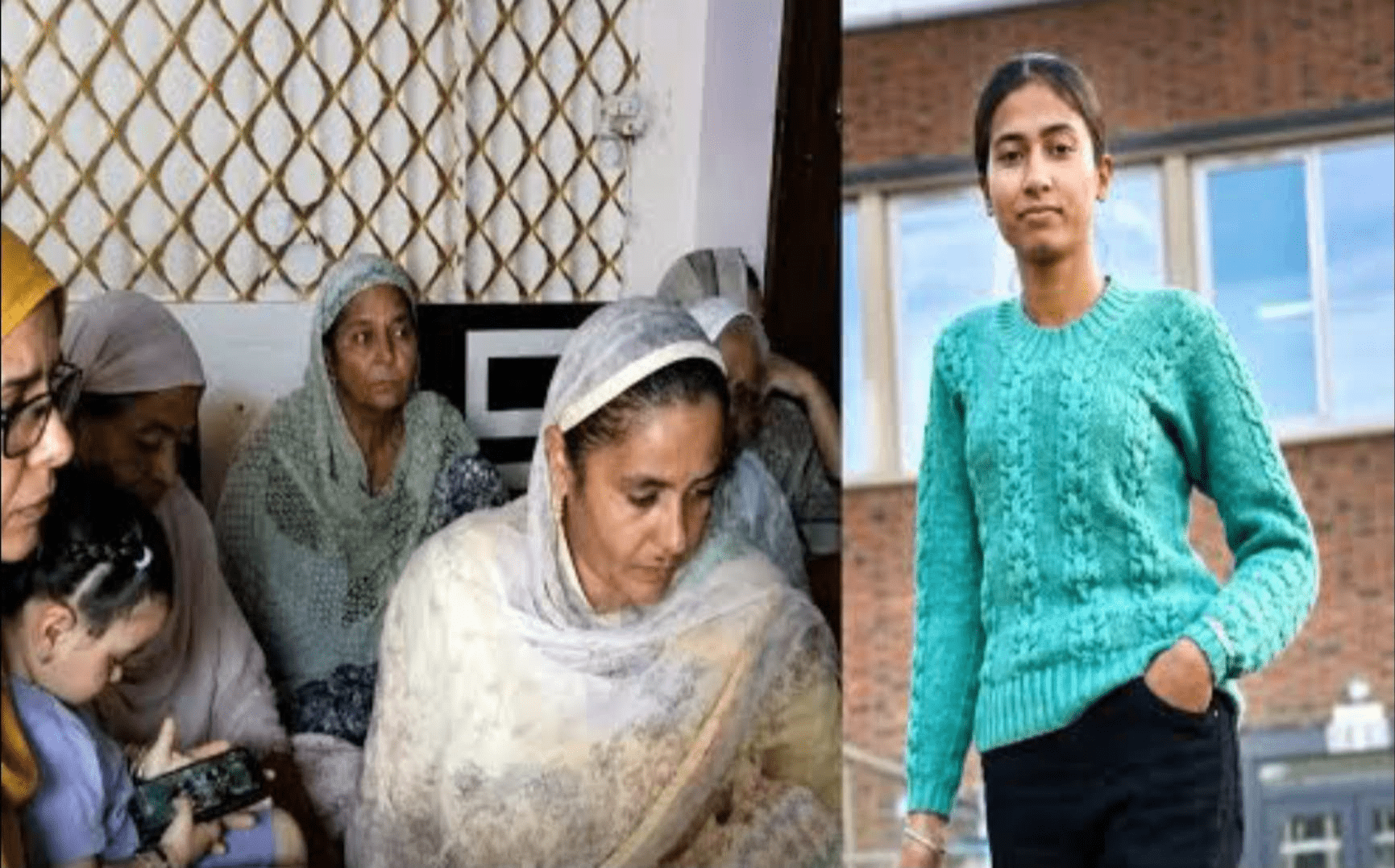
The morning sun filtered through the curtains of the modest flat on Uxbridge Road in Hayes, west London. Kirandeep Kaur, twenty-four, hummed softly as she prepared breakfast. Her four-month-old baby cooed in the crib nearby, tiny fists waving. Kirandeep had arrived from Piddi village in Tarn Taran, Punjab, just two years earlier on a student visa. She had built a new life here—working, studying, embracing the rhythms of British Sikh existence while keeping her roots alive through gurdwara visits and weekend calls home. Her turbaned husband, a quiet man in his twenties, had stepped out briefly for milk. Life felt full of promise.
Then came the knock.
It was around 7:55 a.m. on Sunday, July 12. Neighbors later spoke of a man pacing the street, muttering, a blade glinting in his hand. Daniel Sean James, forty-four, from nearby Pinner, forced his way in. What followed was chaos and horror. Kirandeep fought desperately to protect her child and herself. Screams pierced the quiet suburban morning. When her husband returned moments later, he too was attacked outside the property. Stab wounds left him bleeding on the pavement, but alive. Kirandeep was not so fortunate. Paramedics arrived to find her with fatal injuries. Despite their efforts, she was pronounced dead at the scene.
The community reeled. Hayes, with its vibrant South Asian population, had seen integration and tension in equal measure. Flowers piled up at the scene. Sikh elders gathered, voices heavy with grief and questions. Was this random violence, or something darker? Family members from Punjab, shattered by the news, urged police to investigate every angle—including possible hate. Kirandeep wore her faith openly; her dastaar and kara were symbols of resilience in a sometimes indifferent city. Some whispered of rising anti-Sikh incidents. Others feared it was simply the madness of a man with a knife.
Metropolitan Police acted swiftly. James was arrested nearby and charged with murder, attempted murder, and possession of a bladed article. He appeared in court days later. Detectives emphasized that all motives were under review, but no wider threat existed. For Kirandeep’s family, justice felt distant against the void she left behind—a young mother, vibrant daughter, and bridge between two worlds, gone in minutes of senseless fury.
In the days that followed, vigils lit the streets with candles and prayers. “She came here for a better life,” her relatives said through tears. The baby, now motherless, slept through the mourning. London carried on, its sirens fading into the hum of traffic, but for one family, the city would forever bear the scar of that Sunday morning.