


AI Generated Summary
- Genuine personal choice deserves respect, but when it occurs under the shadow of a state with a history of using conversions as tools of demographic and narrative control, skepticism is mandatory.
- Days later, she resurfaced as Noor Hussain — newly converted to Islam, married to a local man named Nasir Hussain in Sheikhupura, and positioned as a cheerful advocate for Pakistan’s hospitality toward Sikh pilgrims.
- A middle-aged pilgrim “disappears” during a religious visit, “converts” overnight, adopts a new identity, marries, and promptly becomes a brand ambassador for the very state long accused of systemic minority persecution.
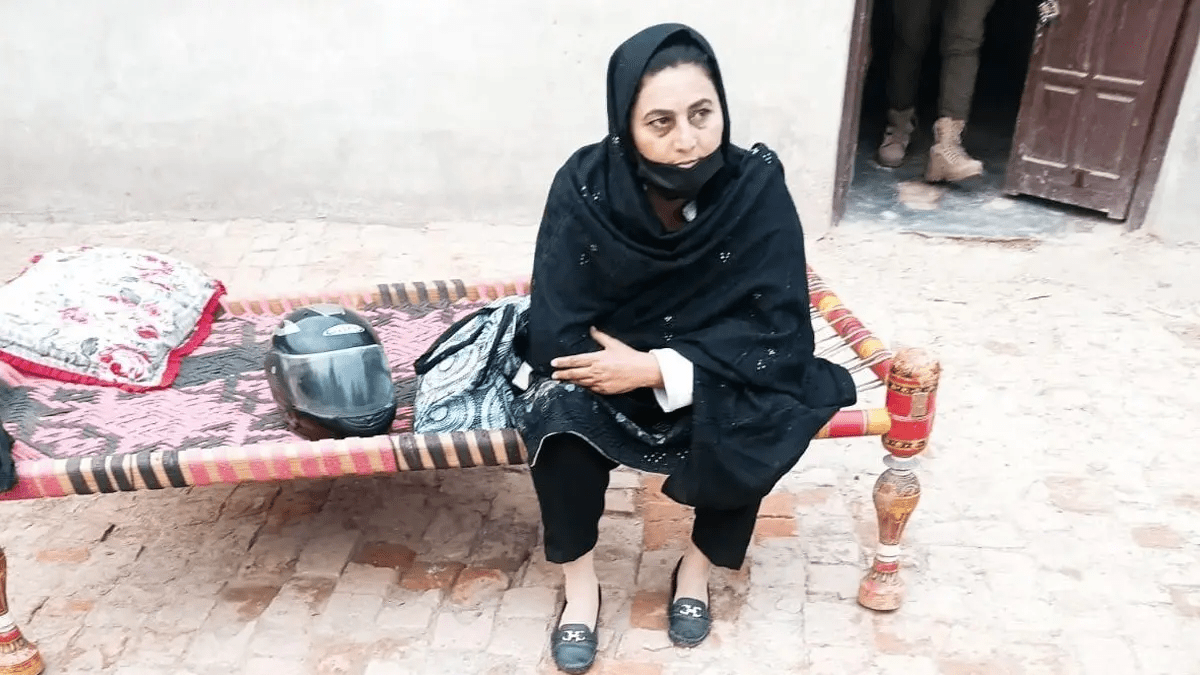
In November last year, Sarabjit Kaur, a Sikh woman from Kapurthala, Punjab, joined a jatha of pilgrims visiting sacred Gurdwaras in Pakistan to mark Sri Guru Nanak Dev Ji’s Prakash Purab. She never returned with the group. Days later, she resurfaced as Noor Hussain — newly converted to Islam, married to a local man named Nasir Hussain in Sheikhupura, and positioned as a cheerful advocate for Pakistan’s hospitality toward Sikh pilgrims. In a circulating video, she welcomes Indian devotees and insists that conversions in Pakistan are matters of pure personal choice, with no coercion involved.
The timing and script are too polished to ignore. A middle-aged pilgrim “disappears” during a religious visit, “converts” overnight, adopts a new identity, marries, and promptly becomes a brand ambassador for the very state long accused of systemic minority persecution. Pakistani authorities and sympathetic voices present this as a heartwarming tale of love and free will. Indian Sikh organisations and families view it with deep suspicion — and for good reason.
Pakistan’s track record on religious minorities, particularly Sikh and Hindu women, is dismal. Reports from human rights groups, including the UN and local activists, document hundreds of cases annually of abduction, grooming, forced conversion, and marriage — often involving pressure in custody or threats to families. Sikh communities in Pakistan have repeatedly raised alarms about targeted harassment and conversions. Against this backdrop, Sarabjit Kaur’s seamless transformation into Noor Hussain, complete with court statements of “free will” and social media outreach, fits a familiar pattern used to launder uncomfortable realities.
Sikhs are not naive. The community remembers historical sacrifices and ongoing vulnerabilities on both sides of the border. Genuine personal choice deserves respect, but when it occurs under the shadow of a state with a history of using conversions as tools of demographic and narrative control, skepticism is mandatory. Conflicting clips — some showing distress, others cheer — only deepen doubts. Her husband’s later legal moves and reports of her making derogatory remarks about Sikhs further complicate the narrative.
This episode reeks of ISI-Khalistan nexus propaganda. By parading a “happy” convert, Pakistan seeks to whitewash its failures in protecting minorities and project an image of tolerance to Sikh pilgrims whose visits sustain important cultural ties. Yet eyes remain wide open. Sikh bodies like the SGPC have demanded transparent probes. Families worry about grooming networks exploiting pilgrimage routes.
True interfaith respect cannot rest on scripted videos and overnight rebrandings. It requires accountability, safe passage, and an end to the abduction-conversion pipeline that has scarred countless families. Until Pakistan addresses its minority crisis honestly, stories like Sarabjit Kaur’s will fuel suspicion, not solidarity. Sikhs have seen this script before. They are not buying it.