


AI Generated Summary
- Deputy Chief Nick Milonovich revealed that a Khalistani-linked extortion network is responsible for roughly half of all illegal gunfire in the Peel Region so far in 2026.
- At present, it is just a dangerous fringe, morphed into narco-terrorism by a handful of opportunists.
- Decisive action against the drug-funded Khalistani criminal networks is essential to restore safety and protect the law-abiding majority from the violent few.
Peel Regional Police delivered a stark warning this week. Deputy Chief Nick Milonovich revealed that a Khalistani-linked extortion network is responsible for roughly half of all illegal gunfire in the Peel Region so far in 2026. Out of 620 rounds discharged from illegal firearms, this group accounts for hundreds.
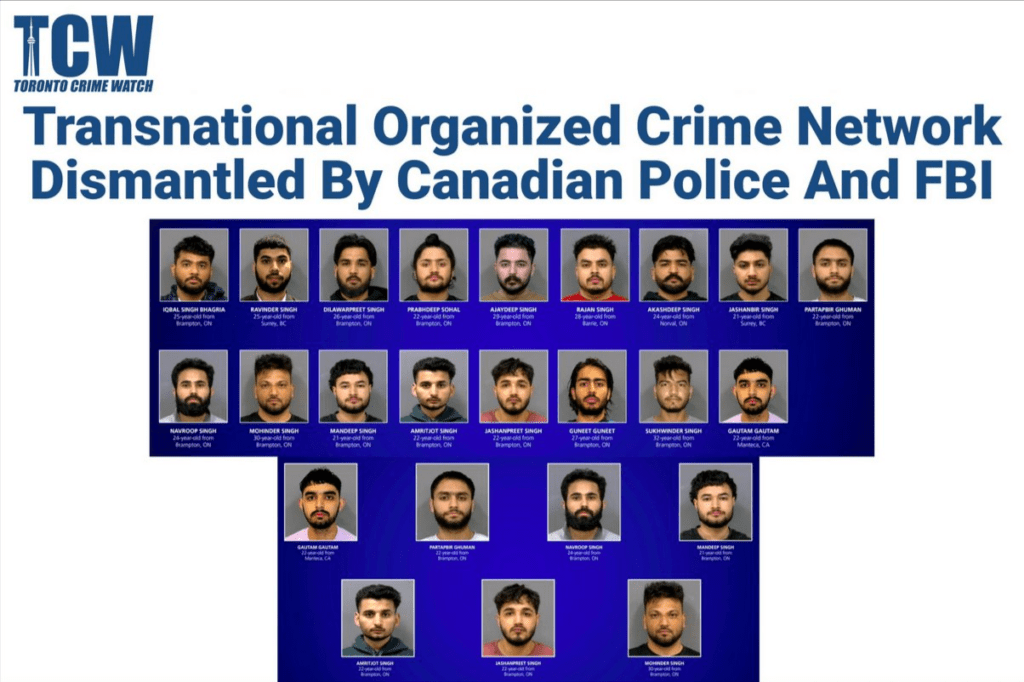
In a sweeping operation, authorities charged 17 individuals with over 100 offences—including extortion, firearms violations, arson, conspiracy, and drug-related crimes. Six firearms were seized, along with illicit drugs. None of the accused are Canadian citizens. All are immigrant Khalistanis tied to the international criminal network known as “Four Brothers” (or “For Brothers”). The group stands accused of targeting South Asian business owners—restaurants, trucking firms, and families—across Brampton, Mississauga, Caledon, British Columbia, the United States, and with links back to India.
This is not random street crime. It is systematic terror enabled by a lucrative drug trade.
The Narco-Extortion Nexus
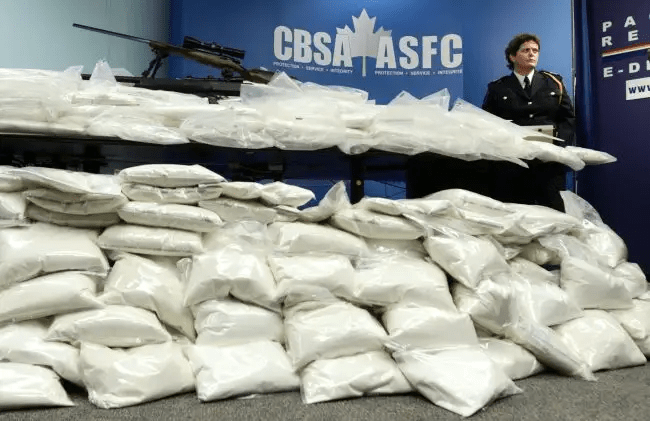
Drug money is the lifeblood of this network. Investigations into similar Khalistani-linked operations, such as Project Pelican, have uncovered massive cocaine imports—hundreds of kilograms worth tens of millions of dollars—smuggled via trucking routes from the United States, often tied to Mexican cartels. Profits from cocaine, methamphetamine, and other narcotics flow directly into weapons purchases, arson attacks, and brutal extortion rackets that prey on hardworking South Asian entrepreneurs.
Police seizures in the “Four Brothers” case included both guns and drugs, underscoring the seamless integration between narcotics trafficking and violent intimidation. Each bullet fired and each business torched sends the same message: pay the “tax” or face the consequences. The proceeds don’t just line criminals’ pockets—they sustain a broader ecosystem of Khalistani extremism, funding rallies, propaganda, legal defenses, and transnational operations aimed at stoking separatism.
This pattern repeats across Canadian cities with large Punjabi communities. Rival gangs battle for control of cross-border drug routes, turning suburbs into war zones. The violence spills over: innocent community members live in fear, businesses close or relocate, and families pay protection money extracted under threat of death. The drug-extortion machine turns grievances over Khalistan into a profitable criminal enterprise.
A Threat Rooted in Transnational Crime
Khalistan extremism has always had a dark underbelly. At present, it is just a dangerous fringe, morphed into narco-terrorism by a handful of opportunists. These networks exploit diaspora connections, trucking industries, and international smuggling routes to move drugs northward while exporting violence and ideology. The “Four Brothers” bust, involving coordination with the RCMP, OPP, Surrey Police, FBI, and others, shows how deeply embedded this has become.
The victims are overwhelmingly fellow South Asians—law-abiding immigrants and entrepreneurs who built successful lives in Canada. Their success makes them targets for those who prefer criminal shortcuts and separatist fantasies over honest work. Each round fired represents not just a statistic, but a direct assault on community safety and prosperity.
Confronting the Root Cause
Law enforcement deserves credit for these operations. Joint task forces are disrupting cells and seizing assets. But the drug-fueled Khalistani criminal networks regenerate quickly because the incentives remain high: vast profits from the narcotics trade, combined with an ideology that glorifies militancy and grievance.
The solution demands focus on the criminal-drug-extremism pipeline:
- Prioritize dismantling the drug trafficking routes that bankroll the violence.
- Aggressive prosecution and asset forfeiture to starve these networks of resources.
- Strong international cooperation to cut cross-border smuggling and money flows.
- Clear-eyed recognition within the Sikh diaspora that violent Khalistan extremism, intertwined with organized crime, harms the community far more than it helps.
Peaceful advocacy is one thing. Running drug empires, shooting up businesses, and extorting families under the banner of separatism is something else entirely: predatory transnational crime.
The Peel revelations lay bare the human cost—lives endangered, communities terrorized, and futures undermined by bullets bought with drug money. Canada’s South Asian community, and the country as a whole, cannot afford to ignore this toxic nexus. Decisive action against the drug-funded Khalistani criminal networks is essential to restore safety and protect the law-abiding majority from the violent few.
