


AI Generated Summary
- In June 2023, Hardeep Singh Nijjar, a prominent Khalistani extremist and president of a Surrey, British Columbia gurdwara, was gunned down in a brazen hit outside the temple.
- He advocated a non-binding “referendum” on Khalistan, a separatist cause linked to past violence, including the 1985 Air India bombing.
- The Bishnoi gang, designated a terrorist entity by Canada in 2025, has a long rap sheet of extortion, drug trafficking, and targeted killings across borders.
In June 2023, Hardeep Singh Nijjar, a prominent Khalistani extremist and president of a Surrey, British Columbia gurdwara, was gunned down in a brazen hit outside the temple. Canadian Prime Minister Justin Trudeau quickly seized the moment. In September 2023, he publicly accused “agents of the Indian government” of involvement, igniting a full-blown diplomatic crisis between Ottawa and New Delhi. Expulsions of diplomats, tit-for-tat accusations of interference, and strained trade relations followed. Trudeau framed it as an assault on Canadian sovereignty. Yet emerging evidence from the RCMP and U.S. authorities tells a far more mundane story: a gangland execution orchestrated by India-based criminals, not state actors in Delhi.
Recent U.S. indictments and RCMP actions have shifted the narrative decisively. On July 7-8, 2026, U.S. prosecutors in Los Angeles charged Lawrence Bishnoi, a notorious imprisoned gangster, along with associates like Satinderjeet Singh (Goldy Brar), with directing Nijjar’s assassination. The Bishnoi gang, designated a terrorist entity by Canada in 2025, has a long rap sheet of extortion, drug trafficking, and targeted killings across borders. The U.S. indictment explicitly does not allege any Indian government role. Instead, it details how Bishnoi, operating from prison via contraband phones, allegedly provided photos and addresses of Nijjar to facilitate the hit.
This aligns with earlier RCMP arrests in May 2024 of three Indian nationals—Kamalpreet Singh, Karanpreet Singh, and Karan Brar—charged with first-degree murder and conspiracy. These men, living in Canada on temporary visas, were linked to the Bishnoi network. Investigations also connected the group to other gang-related violence, including unrelated murders in Edmonton. RCMP officials have maintained separate probes into possible broader links, but the core perpetrators and plotters point squarely to organized crime, not foreign intelligence.
Critics argue Trudeau’s rush to internationalize the issue served domestic politics. Canada’s large Sikh diaspora, concentrated in British Columbia, wields significant electoral influence. By amplifying Khalistani grievances and painting India as the villain, Trudeau positioned himself as a defender of minority rights against “Hindu nationalism.” This ignored India’s legitimate concerns: Nijjar was wanted in India for alleged terrorism ties to groups like the Khalistan Tiger Force. He advocated a non-binding “referendum” on Khalistan, a separatist cause linked to past violence, including the 1985 Air India bombing. India had repeatedly flagged Nijjar to Canadian authorities as a security risk.
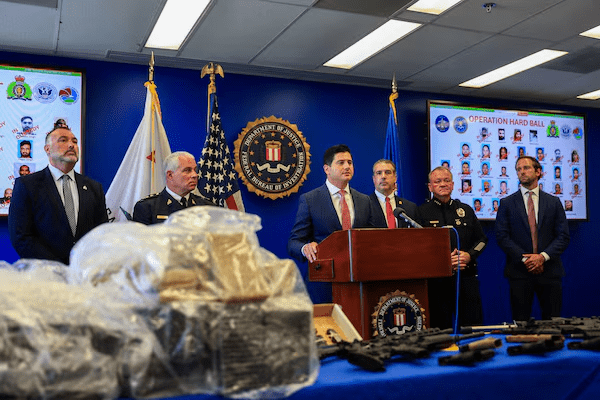
The gang-war angle fits a pattern. The Bishnoi syndicate has terrorized diaspora communities through extortion and hits, often exploiting political fault lines. U.S.-led operations like “Hard Ball” recently netted dozens of arrests across North America and Europe, targeting these networks for racketeering, drugs, and assassinations—including Nijjar’s. No smoking gun ties Delhi to the trigger-pullers; the evidence leads to criminal enterprises profiting from chaos.
This episode exposes deeper issues in Canadian policing and politics. Early intelligence reportedly leaned toward gang-related motives, yet political expediency prevailed. The RCMP’s focus on foreign interference, while important, must not overshadow domestic organized crime threats thriving in immigrant communities. Trudeau’s government has faced accusations of selective outrage—tough on India, softer on other actors. Khalistani extremism, with its history of intimidation and violence in Canada, deserves scrutiny too. Celebrating “referendums” on foreign soil while ignoring their destabilizing potential invites blowback.
India has consistently denied involvement, cooperating selectively while decrying Canada as a safe haven for extremists. The latest charges vindicate a measured approach: pursue justice through evidence, not headlines. For Canada, repairing ties with India—a key partner in Indo-Pacific strategy, trade, and countering China—requires humility. Acknowledging that Nijjar’s death appears rooted in gangster rivalry, not geopolitical assassination, would be a start.
The Nijjar case should serve as a cautionary tale. Premature accusations erode trust, inflame diasporas, and distract from real threats like transnational gangs. Law enforcement on both sides must prioritize facts over narrative. Trudeau’s “credible allegations” have aged poorly as RCMP arrests and U.S. charges paint a clearer picture: a brutal gang hit on Canadian soil. Canada owes its citizens—and its strained relationship with India—an evidence-based reckoning, not political theater. Sovereignty demands accountability for criminals, whoever they are—not reflexive blame on foreign powers.