


AI Generated Summary
- It is equally important not to ignore the reality that certain factions operating under the banner of Khalistan have, over time, adopted methods and messaging that resemble those of transnational extremist networks.
- The focus should remain on individuals and networks that cross the line into incitement and violence, not on broader identities.
- A balanced approach—firm on security, careful in rhetoric, and clear in principle—is the only sustainable path forward.
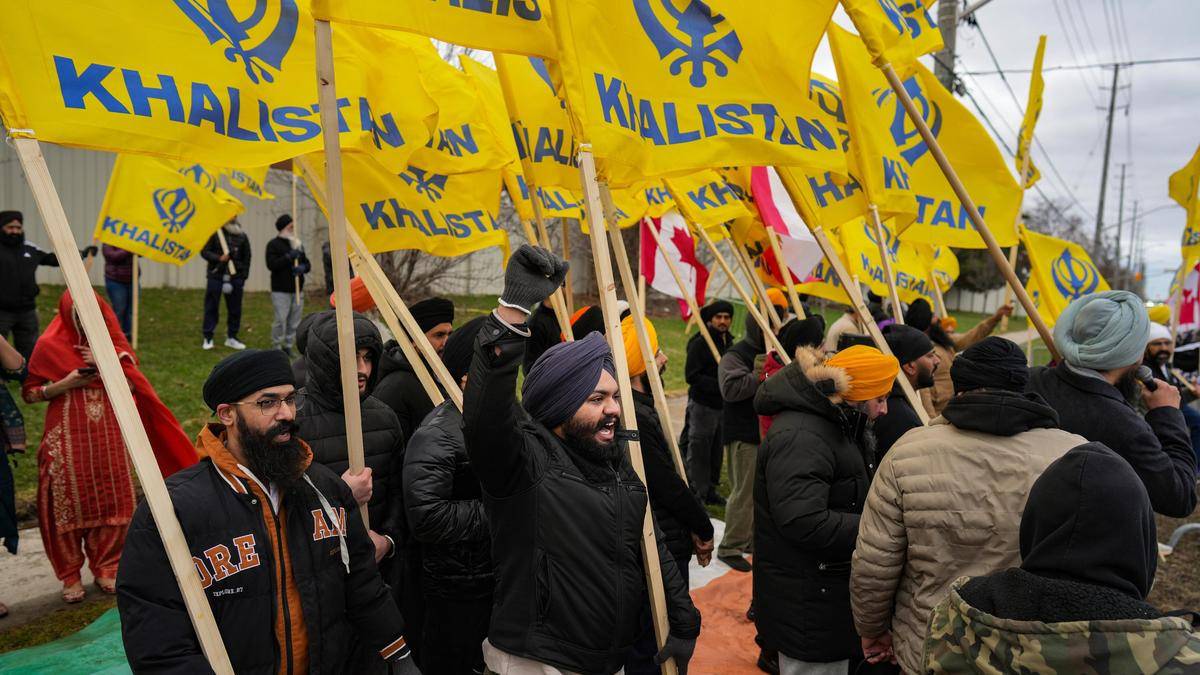
India cannot afford to treat repeated security alerts as routine administrative matters, especially when they point to targeted threats against public infrastructure, religious sites, and political figures. The latest warnings regarding a possible Khalistani terror threat in Delhi and Uttarakhand are not an isolated concern; it reflects a pattern that demands both clarity and candor in public discourse.
At the heart of the issue lies a troubling contradiction. Groups that claim to advocate for Sikh rights and representation are increasingly associated with rhetoric and actions that normalize and propagate violence. Any movement that seeks legitimacy in a democratic framework must operate within the bounds of peaceful engagement. The moment it begins to justify or threaten violence, it forfeits moral credibility and enters dangerous territory.
It is important to draw a firm distinction here: the Sikh community, with its deep-rooted history in India and globally, is not synonymous with separatist or extremist elements. Conflating the two is both inaccurate and harmful. However, it is equally important not to ignore the reality that certain factions operating under the banner of Khalistan have, over time, adopted methods and messaging that resemble those of transnational extremist networks.
The reference to “foreign-funded” elements in such movements is not merely rhetorical. Over the past decade, there has been increasing concern about funding and propaganda ecosystems that amplify separatist narratives from abroad. These networks often operate in jurisdictions where free speech protections are interpreted differently, allowing for the open circulation of content that would be considered incitement elsewhere. The distance from ground realities in India sometimes enables a more radical posture, with little accountability for the consequences.
What makes the current alert particularly concerning is the nature of the alleged targets: railway stations, temples, government offices, and police installations. These are not symbolic or isolated targets; they represent civilian life, public order, and social harmony. Threats against such spaces are designed not just to cause physical damage but to generate fear and disrupt everyday life. That is the defining characteristic of terrorism.
The response from authorities—heightened security, surveillance, and preparedness—is necessary and appropriate. But security measures alone are not enough. There must also be a parallel effort to counter the narratives that enable such threats to gain traction. This includes diplomatic engagement with countries where extremist propaganda originates, stricter monitoring of illicit financial flows, and community-level outreach that reinforces the distinction between legitimate advocacy and violent extremism.
Equally, public discourse must resist the temptation to oversimplify. Branding an entire movement or identity as inherently violent risks alienating communities whose cooperation is essential in maintaining security and social cohesion. The focus should remain on individuals and networks that cross the line into incitement and violence, not on broader identities.
India’s strength lies in its ability to accommodate diverse voices within a democratic framework. That framework provides space for dissent, debate, and even demands for structural change. But it draws a clear and non-negotiable boundary at violence. Any group that seeks to challenge the Indian state must do so through lawful and peaceful means—or face the full weight of the law.
The latest security alert should serve as a reminder: vigilance is not paranoia when the stakes involve public safety. But neither should vigilance slip into generalization. A balanced approach—firm on security, careful in rhetoric, and clear in principle—is the only sustainable path forward.