


AI Generated Summary
- This marked the first bilateral visit by a Canadian Prime Minister to India since 2018 and represented a decisive step in resetting ties after years of diplomatic strain, particularly following the 2023 rupture over allegations related to foreign interference.
- The visit culminated in high-level talks between Carney and Indian Prime Minister Narendra Modi in New Delhi, resulting in a joint statement, multiple Memorandums of Understanding (MOUs), and ambitious announcements across key sectors.
- The outlook is optimistic, with both sides aiming to double trade volumes significantly by 2030 and positioning the relationship as a pillar for economic resilience amid global uncertainties, including trade diversification away from over-reliance on the United States.
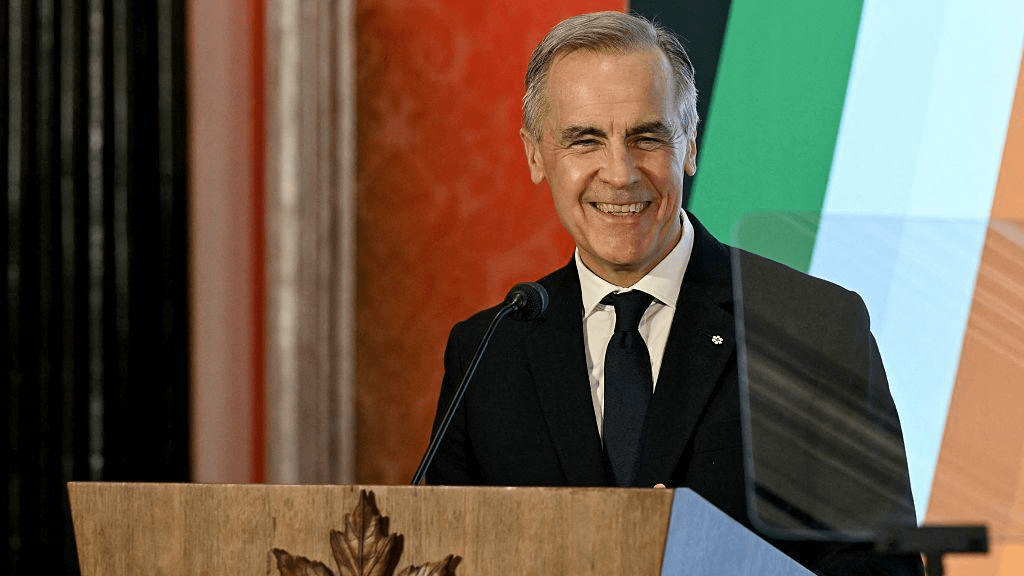
Canada-India relations have entered a new era of partnership, marked by renewed momentum and a distinctly positive outlook following Prime Minister Mark Carney’s official visit to India from February 27 to March 2, 2026. This marked the first bilateral visit by a Canadian Prime Minister to India since 2018 and represented a decisive step in resetting ties after years of diplomatic strain, particularly following the 2023 rupture over allegations related to foreign interference.
Building on gradual improvements throughout 2025—including restored high commissions, revived ministerial dialogues, and high-level meetings at the G7 and G20 summits—Carney’s trip shifted focus from past frictions to forward-looking cooperation. Leaders emphasized shared democratic values, people-to-people ties, and mutual commitment to rule of law, while adopting “Vasudhaiva Kutumbakam” (One Earth, One Family, One Future) as a guiding framework for their strategic partnership.
The visit culminated in high-level talks between Carney and Indian Prime Minister Narendra Modi in New Delhi, resulting in a joint statement, multiple Memorandums of Understanding (MOUs), and ambitious announcements across key sectors. Both leaders hailed the engagement as surpassing previous decades in intensity, describing it as an expansion into a more ambitious, future-oriented partnership.
This reset has injected fresh momentum into bilateral ties, with commitments to deepen collaboration in trade, energy, technology, talent, culture, and defense. The outlook is optimistic, with both sides aiming to double trade volumes significantly by 2030 and positioning the relationship as a pillar for economic resilience amid global uncertainties, including trade diversification away from over-reliance on the United States.
Key Developments Benefitting Canada
Prime Minister Carney’s visit delivered tangible outcomes that stand to benefit Canada economically, strategically, and in terms of energy security. Here are the major developments:
- Comprehensive Economic Partnership Agreement (CEPA) Negotiations Launched with Target Conclusion by End-2026 Formal negotiations for a broad free trade deal were launched, with finalized Terms of Reference and a shared goal to conclude by December 2026. This aims to double bilateral trade (targeting CAD 70 billion or roughly INR 4.65 lakh crore by 2030 from current lower levels), reduce Indian tariffs on Canadian goods, boost Canadian exports (e.g., in agriculture, technology, and resources), and create new market access for Canadian businesses.
- Major Uranium Supply Deal Worth $2.6 Billion A long-term agreement was secured for Saskatchewan-based Cameco to supply nearly 22 million pounds of uranium to India for nuclear energy generation. This provides Canadian mining and energy sectors with a stable, high-value export contract, strengthens Canada’s role in global clean energy supply chains, and supports jobs in resource-rich provinces.
- Five MOUs and Initiatives Across Strategic Sectors Agreements expanded cooperation in energy and critical minerals, technology and AI, talent and culture, and defense. These include commitments to joint work on clean energy, critical minerals supply chains, AI innovation, and enhanced defense ties.
- Commercial Agreements Valued at Over $5.5 Billion The visit facilitated or highlighted 10 commercial deals worth more than $5.5 billion, spanning investments, trade, and partnerships that benefit Canadian companies in energy, technology, and other sectors.
- Enhanced Talent and Education Mobility Initiatives include new university agreements, with over 85 Canadian graduate students and researchers set to travel to India under expanded programs, fostering knowledge exchange, innovation collaboration, and long-term people-to-people benefits for Canada’s education and research ecosystem.
- Reciprocal Ministerial Trade and Investment Engagements A program of four high-level visits (two to each country) with business delegations was welcomed to sustain commercial momentum and open doors for Canadian investors and exporters.
- Progress on Security and Law Enforcement Cooperation Bilateral efforts advanced on security matters, including pursuing extradition cases and transnational issues, providing Canada with stronger channels to address concerns while building trust.
- Invitation for Modi to Visit Canada Carney extended (and Modi accepted) an invitation for a future visit to Canada, signaling ongoing high-level commitment and potential for further deals.
Overall, Carney’s visit has transformed Canada-India relations from a period of challenge into one of strategic opportunity. By prioritizing economic statecraft, energy security, and diversified partnerships, Canada gains enhanced export markets, resource deals, technological collaboration, and geopolitical leverage—positioning the bilateral relationship for sustained growth and mutual prosperity in the years ahead.