


AI Generated Summary
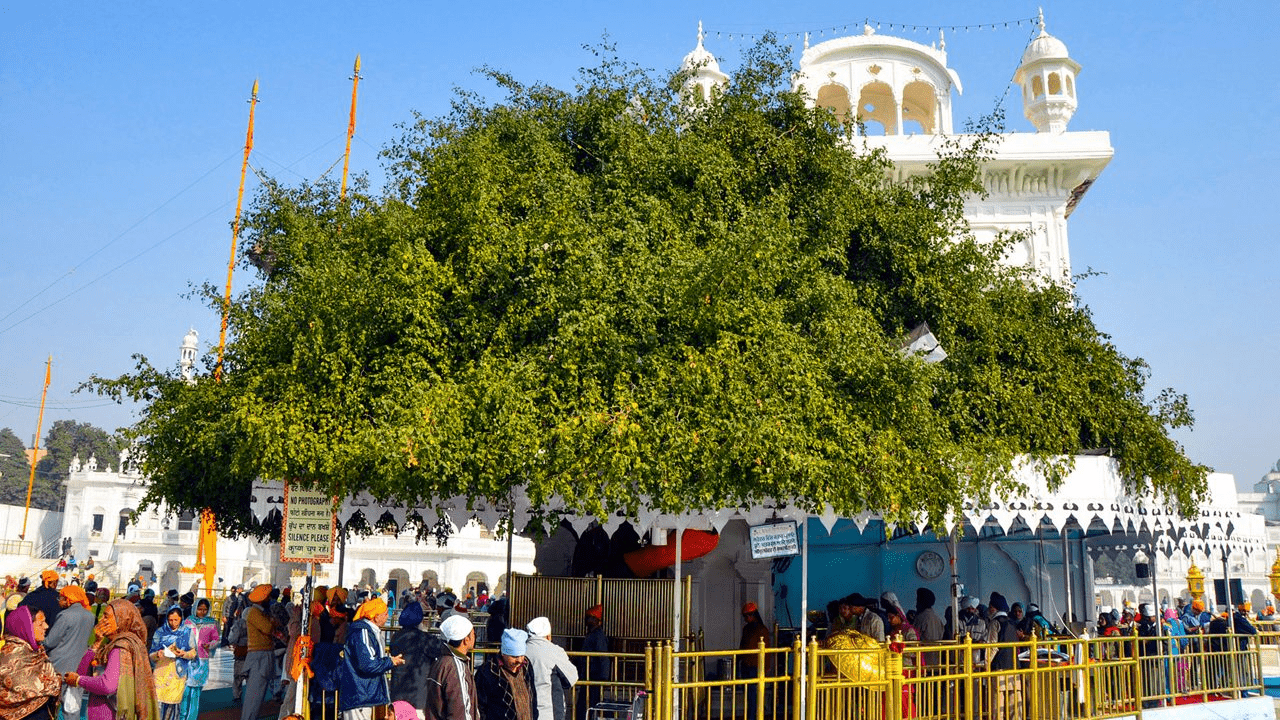
- The Ber Baba Budha Sahib is linked to Baba Budha Ji, a revered early Sikh figure who supervised the excavation of the Amrit Sarovar and the construction of the Harmandir Sahib, often resting or camping beneath it during the sacred work.
- For many visitors to the Golden Temple, the sight of these fruit-laden branches swaying over the sacred sarovar is more than a seasonal occurrence—it’s a profound reminder of enduring faith, miraculous healing, and the timeless blessings that continue to flow at this holiest of Sikh shrines.
- The Dukhbhanjani Beri and Ber Baba Budha Sahib are estimated to be around 400 years old, dating back to the time when Guru Ram Das Ji founded the city of Amritsar and its holy sarovar in the 16th century.
As the summer heat settles over Punjab, the historic premises of Sachkhand Sri Harimandir Sahib—revered worldwide as the Golden Temple—offer a serene yet vibrant spectacle. Devotees from near and far patiently wait for hours beneath the sprawling branches of centuries-old jujube trees, eagerly anticipating the gentle fall of ripe ‘ber’ (Indian jujube) fruits, which they receive as sacred prasad.
This year, the ancient trees—known as Dukhbhanjani Beri, Ber Baba Budha Sahib, and Lachi Ber—are once again laden with abundant fruit, drawing large crowds of pilgrims who view the bounty as a divine gift. The Dukhbhanjani Beri and Ber Baba Budha Sahib are estimated to be around 400 years old, dating back to the time when Guru Ram Das Ji founded the city of Amritsar and its holy sarovar in the 16th century. These living relics stand as enduring symbols of Sikh heritage within the complex.
According to cherished Sikh tradition, devotees are strictly forbidden from plucking the fruits themselves. Only those berries that naturally drop to the ground are gathered and distributed as prasad. Pilgrims gather beneath the trees, sitting quietly in meditation or prayer, convinced that the fallen ber carries the Guru’s blessings and can alleviate suffering.
The Dukhbhanjani Beri holds particular spiritual significance, tied to the inspiring story of Bibi Rajni Ji. In the legend from the era of Guru Ram Das Ji, Bibi Rajni, a woman of unwavering faith, cared devotedly for her husband afflicted with leprosy. Despite immense hardship, she remained steadfast in her devotion to God. One day, while resting near a pond beside a ber tree (the site now part of the Golden Temple complex), her husband bathed in the waters and was miraculously cured of his affliction. The tree, which witnessed this divine intervention, came to be called Dukhbhanjani Beri—meaning “the eradicator of suffering.” Today, devotees believe that partaking of its fruit brings relief from pain, sorrow, and ailments, embodying the Sikh principles of faith, patience, and divine grace.
The other trees carry their own historical weight. The Ber Baba Budha Sahib is linked to Baba Budha Ji, a revered early Sikh figure who supervised the excavation of the Amrit Sarovar and the construction of the Harmandir Sahib, often resting or camping beneath it during the sacred work. The Lachi Ber, known for its smaller fruits, stands near the Darshani Deori and is associated with events during Guru Arjan Dev Ji’s time.
To preserve these invaluable pieces of living history, the Shiromani Gurdwara Parbandhak Committee (SGPC), in collaboration with experts, continues dedicated efforts to care for the trees. A team from Punjab Agricultural University (PAU) has initiated restoration work on these centuries-old specimens, ensuring their health and longevity for future generations of pilgrims.
For many visitors to the Golden Temple, the sight of these fruit-laden branches swaying over the sacred sarovar is more than a seasonal occurrence—it’s a profound reminder of enduring faith, miraculous healing, and the timeless blessings that continue to flow at this holiest of Sikh shrines. As devotees patiently wait for the ber to fall, the air fills with quiet anticipation and reverence, turning an ordinary fruit into a cherished symbol of spiritual solace.