


AI Generated Summary
- The Punjab government’s Department of Food Processing has initiated the formal process to secure a Geographical Indication (GI) tag for the iconic Amritsari Kulcha, aiming to safeguard the city’s signature culinary heritage from imitation and elevate its global stature.
- A meeting convened for June 19 at the Deputy Commissioner’s office in Amritsar brings together officials, experts from Guru Nanak Dev University’s Department of Food Technology, the Punjab State Council for Science and Technology, and—most crucially—local kulcha makers.
- A liberal drizzle of butter or ghee, often finished with a scrunch to release steam and aromas, makes it the perfect companion to chhole, tamarind chutney, pickled onions, and yogurt.
In the bustling streets of Amritsar, where the air carries the irresistible aroma of fresh tandoor-baked bread slathered in butter, a quiet revolution is brewing. The Punjab government’s Department of Food Processing has initiated the formal process to secure a Geographical Indication (GI) tag for the iconic Amritsari Kulcha, aiming to safeguard the city’s signature culinary heritage from imitation and elevate its global stature.
A meeting convened for June 19 at the Deputy Commissioner’s office in Amritsar brings together officials, experts from Guru Nanak Dev University’s Department of Food Technology, the Punjab State Council for Science and Technology, and—most crucially—local kulcha makers. The goal: form an Amritsari Kulcha Makers’ Association to file the GI application. This structured effort addresses long-standing concerns over the dish’s widespread replication across India without crediting its origins.
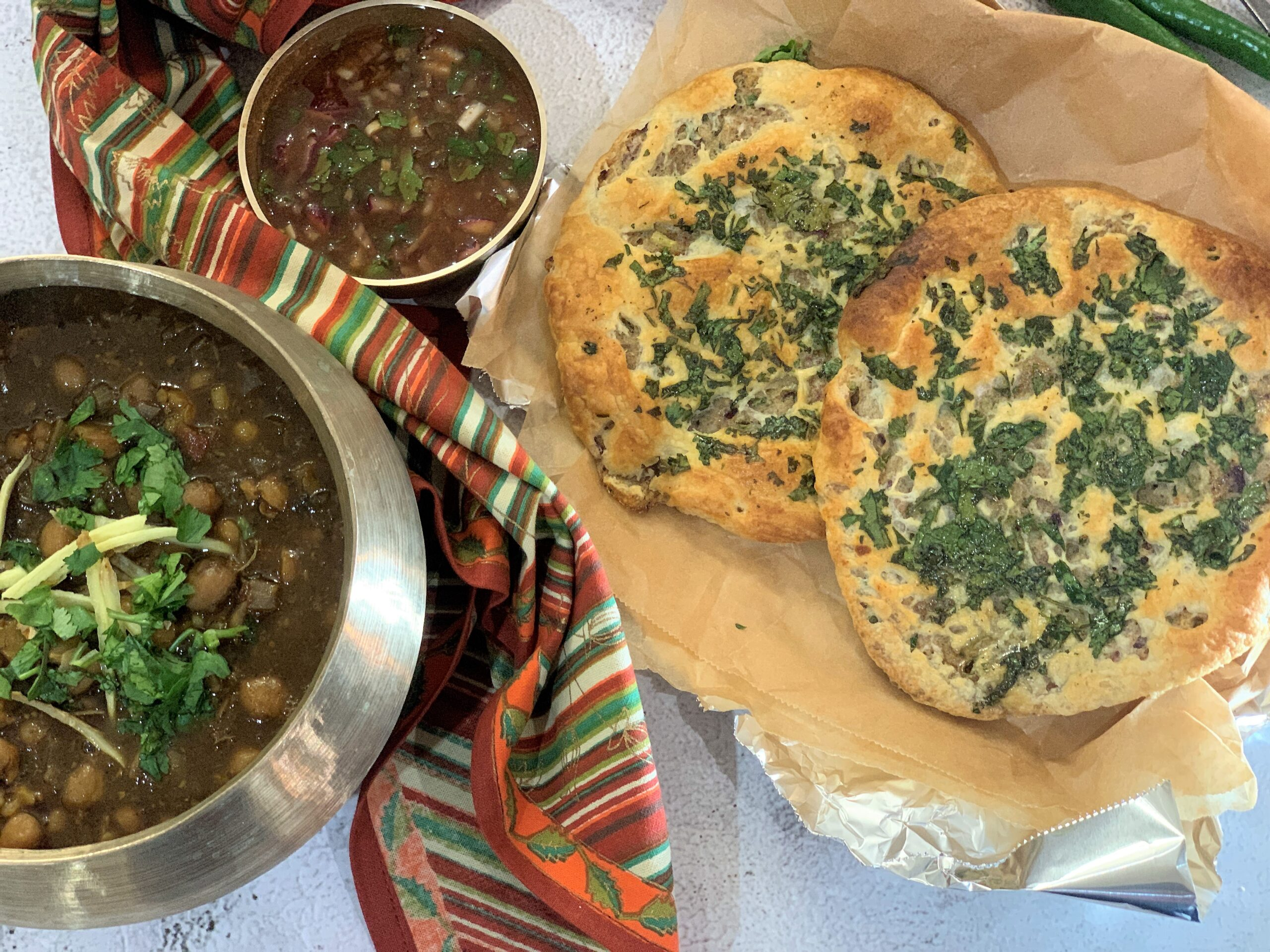
Amritsari Kulcha is no ordinary flatbread. Made from refined flour (maida) dough fermented with yogurt, milk, baking soda, and powder, it is generously stuffed with spiced mashed potatoes (aloo), cauliflower (gobhi), paneer, onions, or even keema. Baked in a traditional tandoor at a carefully controlled lower temperature, it emerges with a signature crispy, flaky exterior and soft, layered interior. A liberal drizzle of butter or ghee, often finished with a scrunch to release steam and aromas, makes it the perfect companion to chhole, tamarind chutney, pickled onions, and yogurt.
What sets the Amritsari version apart is its unique character, shaped by local traditions, ingredients, and technique. Food writers like Vir Sanghvi hail Amritsar as the “Kulcha Capital of India,” noting the meticulous layering with ghee for flakiness and the dedicated low-temperature tandoors essential for the melt-in-mouth texture. Legend even credits Amritsar’s blessed water for the distinctive taste—some iconic shops have famously transported local water for authentic preparations elsewhere.
The roots of this beloved street food trace back at least two centuries, evolving as a hearty adaptation of tandoor breads influenced by Mughal, colonial, and local Punjabi techniques. It embodies the city’s spirit of hospitality and abundance, a staple breakfast and meal for locals and pilgrims visiting the Golden Temple alike. Iconic spots like Bharawan Da Dhaba, Kesar Da Dhaba, and Bhai Kulwant Singh Kulchian Wale have perfected it over generations.
Securing a GI tag—similar to protections for Darjeeling tea or Tirupati laddu—would legally recognize the kulcha’s unique link to Amritsar’s geography, climate, and artisanal methods. For Punjab, which currently holds just two GI tags (Phulkari embroidery and Basmati rice, the latter shared), this would boost branding, exports, tourism, and jobs in the food sector. It protects genuine makers from unfair competition while preserving cultural identity in an era of mass-produced lookalikes.
As kulcha makers gather this week, the initiative signals a deeper commitment to Punjab’s rich culinary legacy. In a world hungry for authentic flavors, the Amritsari Kulcha’s journey toward official recognition promises not just protection, but a flavorful celebration of heritage that could travel the globe while staying true to its roots. For food lovers everywhere, it’s a reminder that some tastes are inseparable from their place of birth.