

AI Generated Summary
- It is a direct challenge to a core article of faith and to the idea that Canadian children can be both fully religious and fully public-school students.
- the state now claims the right to regulate the appearance of six- and seven-year-olds so that no religious identity is visible during the school day.
- It is a mandated expression of identity that dates to the founding of the Khalsa in 1699.
Quebec’s newly elected Parti Québécois minority government has made clear that one of its first priorities is expanding the province’s secularism regime. Education Minister Joël Arseneau has called the promised ban on elementary students wearing “overt” or “conspicuous” religious symbols non-negotiable. Among the items in the crosshairs is the Sikh dastaar—the turban. For the roughly 23,000 Sikhs who call Quebec home, and the nearly 800,000 across Canada, this is not a neutral rule about classroom attire. It is a direct challenge to a core article of faith and to the idea that Canadian children can be both fully religious and fully public-school students.
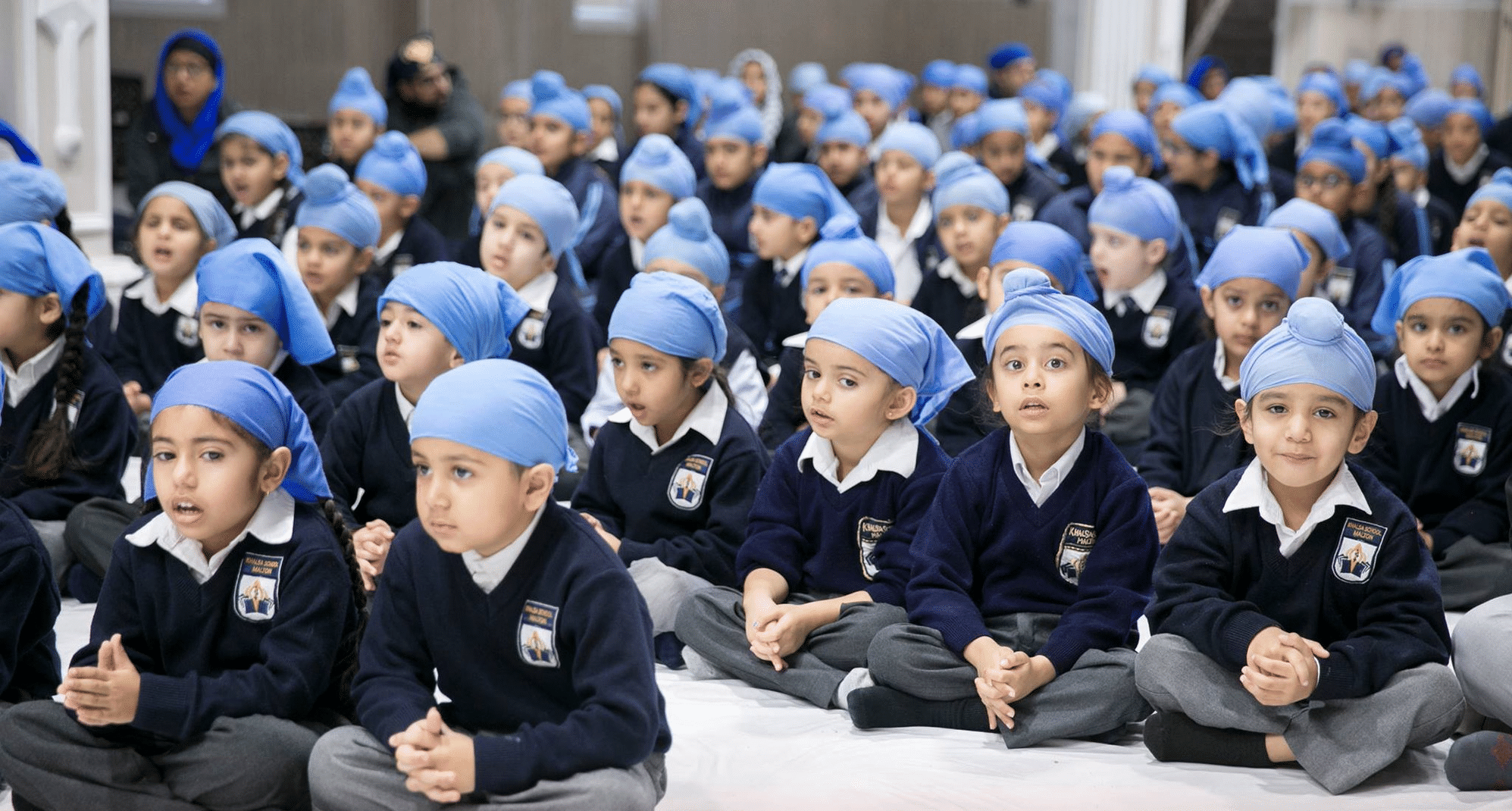
For initiated Sikhs, the turban is not optional clothing or a detachable symbol. It is a mandated expression of identity that dates to the founding of the Khalsa in 1699. It signals equality (no hierarchy of hats or crowns), commitment to Sikh values, and a visible rejection of assimilation that has historically protected the community. Young boys often wear a patka or small turban for the same reasons. Telling a Sikh child he must remove it to enter the classroom forces an impossible choice: abandon a religious obligation or forfeit equal access to public education. That is the opposite of the “religious neutrality” the government claims to defend.
Canada’s Sikh community has long been offered as a success story of integration without erasure. Sikhs have farmed, served in the military and police, built businesses, and entered politics while keeping the turban. Federal courts and human-rights tribunals have repeatedly protected that practice, including for RCMP officers and schoolchildren. Quebec’s existing laws already bar many public employees—teachers, police, judges—from wearing religious symbols, using the notwithstanding clause to shield the measures from Charter challenge. Extending the prohibition to primary-school children takes the logic one step further: the state now claims the right to regulate the appearance of six- and seven-year-olds so that no religious identity is visible during the school day.
Supporters argue the ban protects children from being “divided” by faith and reflects the will of the Quebec majority. But majority preference does not convert a religious requirement into a mere accessory. The World Sikh Organization of Canada has already warned that some families may leave the province rather than comply. That outcome would shrink, not strengthen, Quebec’s social fabric. A secular state can insist that its institutions do not endorse any religion; it cannot demand that religious minorities make their children invisible as the price of citizenship.
True pluralism does not require the erasure of difference. It requires the harder work of allowing visible minorities to participate fully while respecting the rules of shared institutions. Quebec’s proposed school ban fails that test. It tells Sikh families that their children’s faith is incompatible with public education. In a country that still claims multiculturalism as a founding principle, that message is both unnecessary and corrosive.