


AI Generated Summary
- Iran launched a ferocious wave of retaliatory missiles and drones, targeting US military bases across the region — including al-Udeid in Qatar, Ali al-Salem in Kuwait, al-Dhafra in the UAE, Prince Sultan base in Saudi Arabia, Muwaffaq Salti in Jordan, and the US Fifth Fleet headquarters in Bahrain.
- Prime Minister Benjamin Netanyahu declared the goal was to “remove the existential threat posed by the terrorist regime in Iran,” while President Trump confirmed “major combat operations” were underway and called on the Iranian people to rise against their government.
- The Israeli Air Force deployed approximately 200 fighter jets, striking over 500 military targets across western and central Iran in what the IAF described as the largest combat sortie in its history.
In the early hours of February 28th, the Middle East was irrevocably altered. The United States and Israel launched a sweeping joint military campaign against Iran, codenamed “Operation Roaring Lion” by Israel, targeting the Islamic Republic’s military infrastructure, missile sites, and — most consequentially — its top leadership.
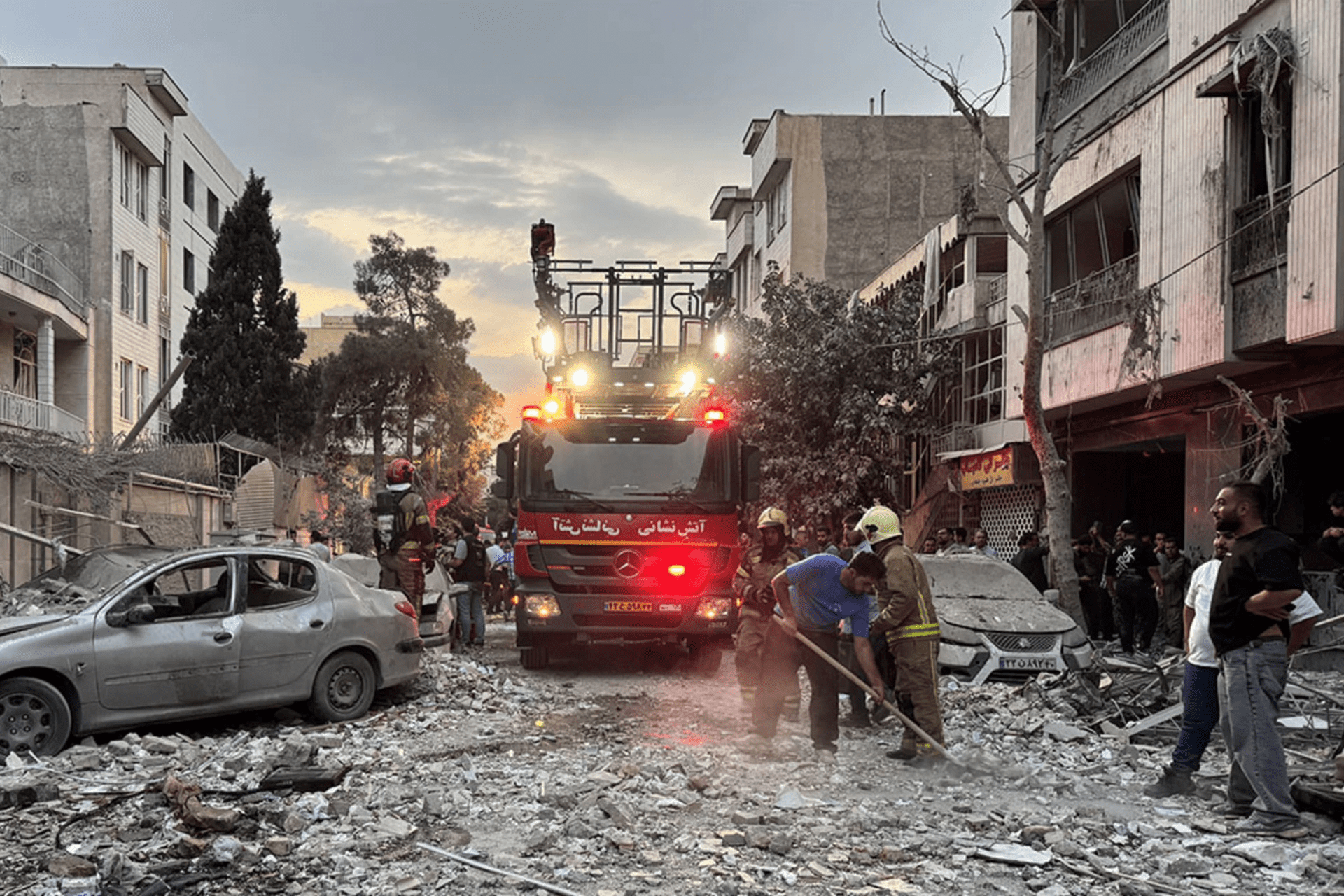
The Israeli Air Force deployed approximately 200 fighter jets, striking over 500 military targets across western and central Iran in what the IAF described as the largest combat sortie in its history. The strikes were coordinated with US forces and aimed at decapitating the regime. Prime Minister Benjamin Netanyahu declared the goal was to “remove the existential threat posed by the terrorist regime in Iran,” while President Trump confirmed “major combat operations” were underway and called on the Iranian people to rise against their government.
Among those killed was Iran’s Supreme Leader, Ayatollah Ali Khamenei. At 86, Khamenei was reportedly at his residence when he was killed in the coordinated strike, Iranian state media confirmed. The operation also targeted President Masoud Pezeshkian and an estimated 40 senior Iranian leaders. Iran declared 40 days of mourning.
The strikes did not go unanswered. Iran launched a ferocious wave of retaliatory missiles and drones, targeting US military bases across the region — including al-Udeid in Qatar, Ali al-Salem in Kuwait, al-Dhafra in the UAE, Prince Sultan base in Saudi Arabia, Muwaffaq Salti in Jordan, and the US Fifth Fleet headquarters in Bahrain. Iran also fired approximately 150 ballistic missiles at Israel, lightly injuring 89 people. The Houthis in Yemen announced they would resume Red Sea attacks, and Iraqi militia Kata’ib Hezbollah vowed to strike American targets.
Iran’s Red Crescent reported 201 fatalities and 747 injuries across 24 provinces from the initial US-Israeli strikes, with attacks concentrated on IRGC facilities and missile launch sites.
This escalation did not emerge from a vacuum. In June 2025, the US had already struck Iran’s nuclear facilities at Natanz, Fordow, and Isfahan in an operation codenamed “Midnight Hammer,” which Trump claimed had eliminated Iran’s nuclear programme. Tensions had persisted through early 2026, with indirect nuclear talks mediated by Oman breaking down before the February 28 assault.
With Khamenei dead and no clear successor, Iran now faces a profound power vacuum — and the region braces for what comes next.