


AI Generated Summary
- In a world where sports often transcend politics, the recent outcry from cricket’s elite over the treatment of Imran Khan is a stark reminder of how far Pakistan has strayed from basic norms of justice and humanity.
- In a letter to Prime Minister Shehbaz Sharif, 14 former captains, including India’s Sunil Gavaskar and Kapil Dev, called for Imran Khan to be treated with “dignity and basic human consideration,” expressing concern about reports that the vision in his right eye had worsened.
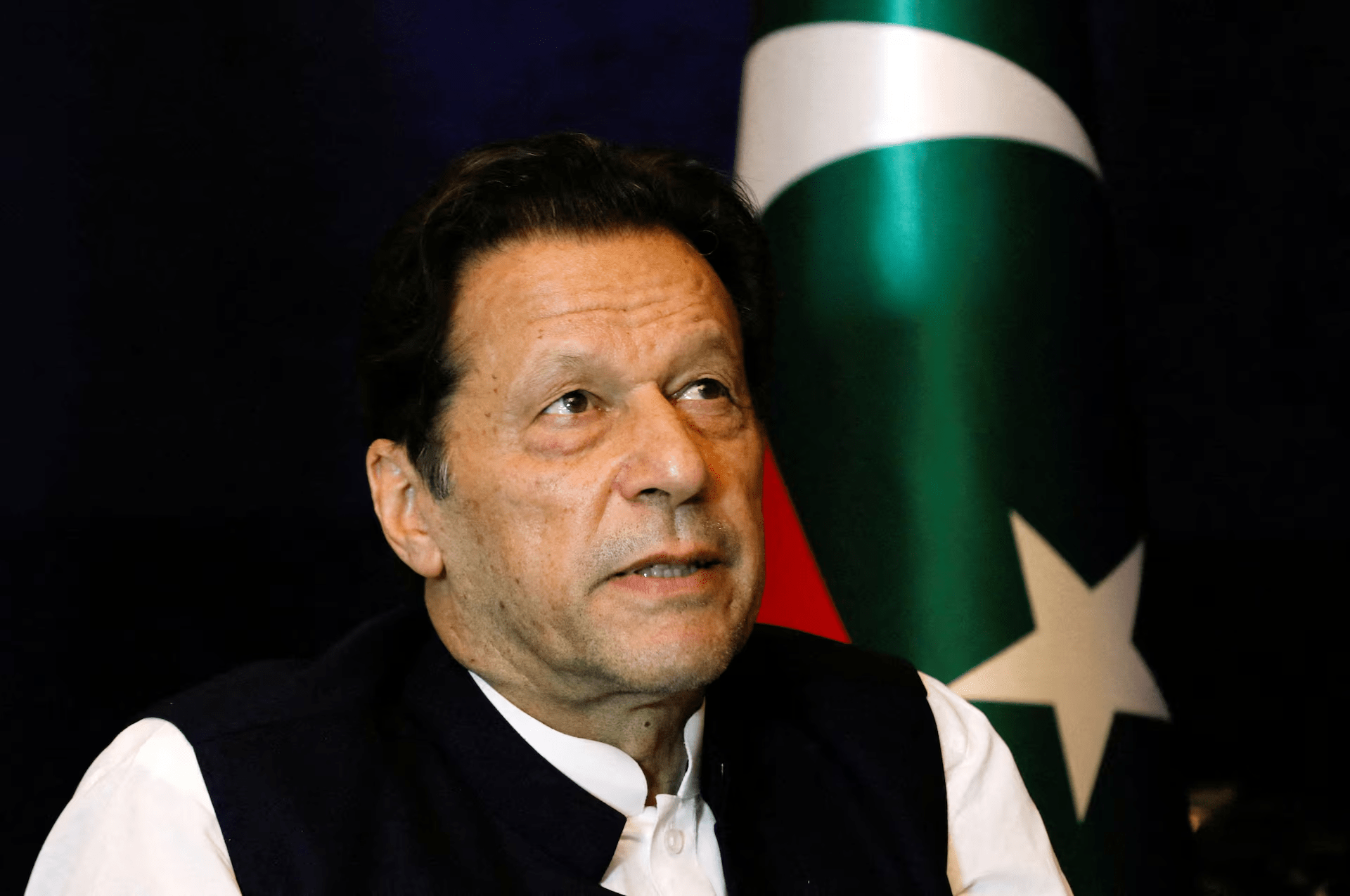
- Imran Khan, the charismatic all-rounder who led Pakistan to its 1992 World Cup victory and later rose to prime minister in 2018, has been imprisoned since August 2023 on charges ranging from corruption to inciting violence—convictions his supporters decry as politically motivated vendettas orchestrated by the military establishment.
In a world where sports often transcend politics, the recent outcry from cricket’s elite over the treatment of Imran Khan is a stark reminder of how far Pakistan has strayed from basic norms of justice and humanity. Fourteen former international cricket captains, including legends like India’s Sunil Gavaskar and Kapil Dev, England’s Nasser Hussain and Mike Atherton, and Australia’s Greg Chappell, have penned an open letter to Pakistan’s Prime Minister Shehbaz Sharif, pleading for better medical care and dignified treatment for the jailed former prime minister. Their concerns center on reports of Khan’s deteriorating eyesight—allegedly leaving him with only 15% vision in his right eye—and the overall conditions of his detention in Adiala Jail, where access to personal physicians and family has been severely restricted. This humanitarian appeal, signed by rivals who once faced Khan on the pitch, underscores a profound shame: that the international community must intervene to safeguard the well-being of one of Pakistan’s most prominent figures, a situation that should never have arisen in a functioning democracy.
In a letter to Prime Minister Shehbaz Sharif, 14 former captains, including India’s Sunil Gavaskar and Kapil Dev, called for Imran Khan to be treated with “dignity and basic human consideration,” expressing concern about reports that the vision in his right eye had worsened.…
— The Associated Press (@AP) February 19, 2026
Imran Khan, the charismatic all-rounder who led Pakistan to its 1992 World Cup victory and later rose to prime minister in 2018, has been imprisoned since August 2023 on charges ranging from corruption to inciting violence—convictions his supporters decry as politically motivated vendettas orchestrated by the military establishment. His Pakistan Tehreek-e-Insaf (PTI) party continues to rally, staging protests and demanding his transfer to a hospital for proper care. Yet, the government’s response has been dismissive, with Interior Minister Mohsin Naqvi labeling the health concerns as “propaganda” and insisting that state-provided doctors suffice. This deflection only amplifies the irony: a nation that prides itself on its cricketing heritage now sees its global icons begging for mercy on behalf of their former peer.
It's not cricket. @ImranKhanPTI should be released immediately by Pakistan’s authorities. His arbitrary detention casts a dark shadow on respect for democracy and rule of law in Pakistan: https://t.co/5RuDZ0k8cO pic.twitter.com/rjSsly14VG
— Richard Branson (@richardbranson) October 21, 2024
What makes this episode truly shameful is not just the appeals themselves, but the necessity of them. In any self-respecting sovereign state, the health and rights of a high-profile detainee—regardless of political allegiance—should be handled domestically through transparent legal and medical channels. That figures from India, a country with historically tense relations with Pakistan, have joined this chorus speaks to the universality of human rights over national rivalries. Gavaskar and Kapil Dev’s signatures, alongside those from Australia, England, and the West Indies, highlight how Khan’s plight has pierced the veil of geopolitics. If Pakistan’s institutions were robust, such external pressure wouldn’t be required. Instead, the world watches as a former leader, once celebrated for his philanthropy and leadership, is reportedly denied basic amenities like regular family visits or independent medical evaluations.
Please see my statement regarding the treatment of former Pakistani Prime Minister Imran Khan. @ImranKhanPTI @PTIOfficialCA pic.twitter.com/yJgveVAhb1
— Michael Kram 🇨🇦 (@MichaelKramSK) February 19, 2026
This international intervention lays bare the rot in Pakistan’s domestic landscape. For decades, the country has grappled with a fragile democracy overshadowed by military influence, where political opponents are often sidelined through dubious legal maneuvers rather than fair elections or debates. Khan’s ouster in 2022 via a no-confidence vote, followed by his arrests and the suppression of PTI in the lead-up to the 2024 elections, exemplifies this pattern. The fact that cricket legends—apolitical by nature—feel compelled to act signals a breakdown in rule of law and human rights protections. It’s a indictment of a system where allegations of “political vendetta” and “severe injustice” go unaddressed internally, forcing outsiders to step in. Pakistan’s economy is in tatters, its politics polarized, and its international image tarnished by such spectacles. When global sports figures must advocate for humane treatment, it erodes national sovereignty and exposes the hollowness of claims to democratic governance.
The cricketing fraternity’s plea is not partisan; it’s a call for decency. Khan’s supporters hail him as a victim of establishment machinations, while critics argue his governance was flawed. But health care and fair process are not negotiable—they are fundamental rights. The government’s silence or evasion only fuels public unease, as PTI notes, and risks further isolating Pakistan on the world stage. For a nation aspiring to stability and respect, this moment should prompt introspection: Why must the world remind Pakistan of its obligations to its own citizens?
In the end, Imran Khan’s saga is more than a personal tragedy; it’s a mirror to Pakistan’s soul. The appeals from abroad should never have been needed. Their existence alone demands urgent reform—to restore faith in institutions, uphold human dignity, and prevent future generations from witnessing such global embarrassment. Pakistan deserves better, and so does Khan.
