


AI Generated Summary
- The United Kingdom has announced a fresh package of business agreements valued at £1 billion as a high-level British trade delegation arrived in India to strengthen commercial partnerships and explore opportunities under the bilateral Free Trade Agreement (FTA).
- The £1 billion package is an early indication of that effort, as India and the UK work to build a broader and more commercially integrated economic relationship.
- The British government expects the agreement to create opportunities for companies across a wide range of industries by improving market access and facilitating greater trade and investment between the two countries.
New investments in technology, aviation and manufacturing signal growing economic cooperation between India and Britain following their landmark free trade agreement.
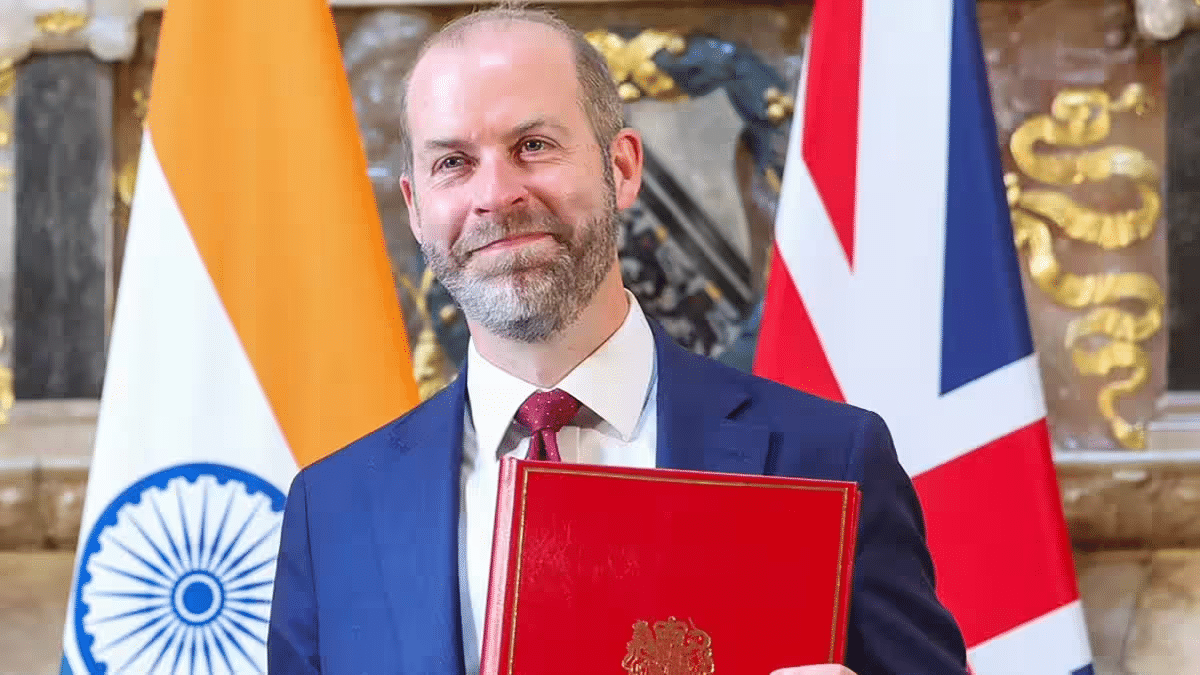
The United Kingdom has announced a fresh package of business agreements valued at £1 billion as a high-level British trade delegation arrived in India to strengthen commercial partnerships and explore opportunities under the bilateral Free Trade Agreement (FTA).
The visit, involving representatives from more than 100 British companies, marks one of the most significant trade missions since the India-UK Comprehensive Economic and Trade Agreement (CETA) came into effect on July 15.
Leading the delegation are UK Business Secretary Jonathan Reynolds, Scotland Secretary Douglas Alexander and Environment, Food and Rural Affairs Secretary Angela Eagle. Seven mayors from northern England have also joined the mission, reflecting Britain’s efforts to extend the economic benefits of closer ties with India beyond London and other established commercial centres.
The initiative, known as the Great North mission, seeks to connect businesses across Britain’s northern regions with Indian investors, manufacturers and industry partners. Its focus spans several sectors, including advanced manufacturing, technology, education, aviation and food exports.
Among the major commercial commitments announced is a £50 million investment by Meta for Data Technologies (MFD), aimed at supporting artificial intelligence research in the UK. British aviation services company Menzies Aviation is also planning to expand its operations in India, with the company targeting more than £600 million in revenue from its growing presence in the market.
The agreements underline the increasing importance of India in Britain’s international trade strategy, particularly as British businesses look to diversify export destinations and establish stronger commercial relationships with rapidly expanding economies.
Reynolds described the trade agreement as a foundation for new partnerships, emphasising the role of regional businesses and local leadership in translating diplomatic progress into tangible economic opportunities.
The British government expects the agreement to create opportunities for companies across a wide range of industries by improving market access and facilitating greater trade and investment between the two countries.
According to the UK’s Department for Business and Trade, commercial agreements worth nearly £12 billion have been announced since the landmark trade agreement was signed in July last year. The latest commitments add to the momentum generated by the broader economic partnership.
Scotland is also seeking to capitalise on improved access to the Indian market, particularly for premium agricultural products and beverages. Alexander highlighted the potential for Scottish exporters, including producers of salmon and whisky, to strengthen their presence in India.
He stressed that helping businesses navigate the Indian market would be essential to converting the opportunities created by the trade agreement into higher exports, investment and employment.
The participation of northern English mayors also signals a regional dimension to Britain’s India strategy. By connecting local businesses directly with Indian counterparts, the delegation aims to attract investment into industrial centres and create new opportunities for companies seeking international expansion.
For India, the growing engagement presents opportunities to deepen cooperation with British businesses in technology, infrastructure-related services, manufacturing and other sectors. The expansion of established UK companies in India could also contribute to stronger commercial networks and new business partnerships.
The latest trade mission represents a shift from negotiating the framework of bilateral economic cooperation to implementing it through commercial projects and investments.
With both governments seeking to expand trade and encourage cross-border investment, the success of the partnership will increasingly depend on how effectively businesses can translate improved market access into sustained economic activity.
The £1 billion package is an early indication of that effort, as India and the UK work to build a broader and more commercially integrated economic relationship.