


AI Generated Summary
- In an era of global connectivity, Modi’s outreach in Auckland bridges India with its vibrant diaspora, celebrating Sikhs as ambassadors of Indian values—enterprise, bravery, and service—evident in fields from agriculture in Punjab to entrepreneurship abroad.
- By spotlighting initiatives ranging from granting FCRA registration to the Golden Temple to advancing the ambitious ropeway project at Hemkund Sahib, Modi underscored a vision of inclusive development that honors faith, eases pilgrimage, and strengthens cultural bonds across borders.
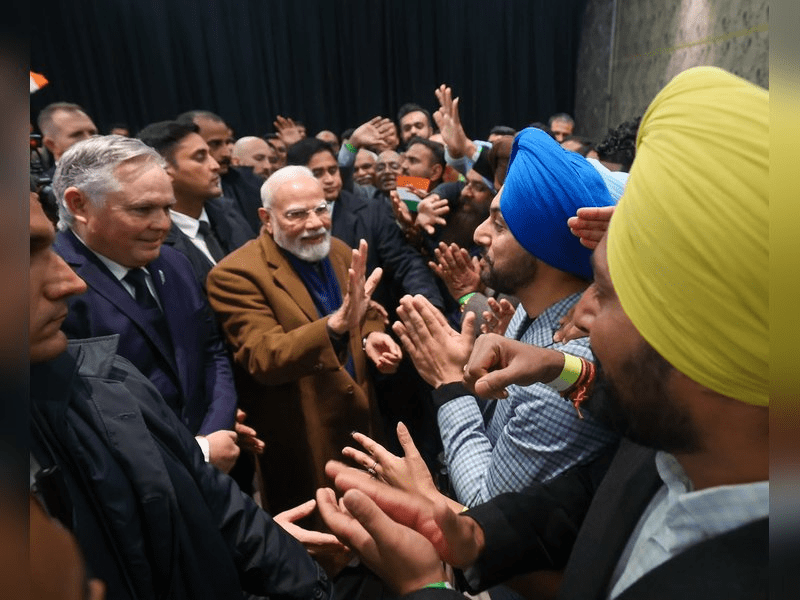
- In a stirring address to the Indian diaspora in Auckland, New Zealand, Indian Prime Minister Narendra Modi once again demonstrated his government’s deep commitment to preserving and uplifting India’s rich Sikh heritage.
In a stirring address to the Indian diaspora in Auckland, New Zealand, Indian Prime Minister Narendra Modi once again demonstrated his government’s deep commitment to preserving and uplifting India’s rich Sikh heritage. By spotlighting initiatives ranging from granting FCRA registration to the Golden Temple to advancing the ambitious ropeway project at Hemkund Sahib, Modi underscored a vision of inclusive development that honors faith, eases pilgrimage, and strengthens cultural bonds across borders. This moment was not mere diplomacy—it was a heartfelt reaffirmation of the Sikh community’s pivotal role in India’s spiritual and social fabric.
The Prime Minister’s remarks resonated powerfully with the audience, many of whom carry the values of seva (selfless service), courage, and resilience that define Sikhism. He recounted how the government swiftly resolved FCRA-related challenges faced by Sri Harmandir Sahib, popularly known as the Golden Temple. This landmark decision enables the gurdwara to receive international donations, ensuring the uninterrupted flow of langar—the sacred community kitchen that feeds thousands daily, regardless of faith or background. For decades, bureaucratic hurdles had constrained global support for this beacon of equality and compassion. By clearing those obstacles, the Modi government has empowered the Sikh institution to expand its humanitarian reach, reinforcing its status as a symbol of India’s pluralistic ethos.
This pragmatic step reflects a broader philosophy: faith thrives when supported by enabling governance. The Golden Temple stands not only as a architectural marvel but as a living testament to Sikh principles of sarbat da bhala—the welfare of all. Granting it FCRA registration honors the contributions of Sikh communities worldwide, who have long sustained such sacred spaces through devotion and generosity. It signals trust in Sikh institutions and invites the global diaspora to participate more fully in India’s cultural renaissance.
Equally inspiring is the progress on the Hemkund Sahib ropeway. Nestled at over 15,000 feet in the pristine Himalayas of Uttarakhand, Hemkund Sahib is a site of profound significance for Sikhs, associated with Guru Gobind Singh Ji. Traditionally, the trek from Govindghat involves a strenuous 21-kilometer uphill journey, often challenging for elderly devotees and families. The approved 12.4 km ropeway project, developed under the Parvatmala Pariyojana at a substantial investment, promises to transform access. Using advanced tricable detachable gondola technology, it will reduce travel time dramatically while ensuring all-weather connectivity. This infrastructure boost will also enhance tourism to the nearby Valley of Flowers, a UNESCO site, generating employment and economic opportunities in the region.
Prime Minister Modi’s emphasis on this project during his New Zealand address highlights a forward-looking approach to pilgrimage tourism. It embodies Sabka Saath, Sabka Vikas—development for all—by making sacred journeys safer and more inclusive without compromising the sanctity of the site. For senior citizens and those with limited mobility, this ropeway represents dignity and devotion made accessible. It aligns with other efforts, such as the annual observance of Veer Bal Diwas on December 26, which commemorates the courage of Guru Gobind Singh Ji’s sahibzadas, instilling national pride in Sikh history.
These initiatives are part of a consistent pattern. From repatriating sacred Guru Granth Sahib relics to preserving sites like Takht Sri Patna Sahib, the government has prioritized Sikh heritage with sensitivity and action. In an era of global connectivity, Modi’s outreach in Auckland bridges India with its vibrant diaspora, celebrating Sikhs as ambassadors of Indian values—enterprise, bravery, and service—evident in fields from agriculture in Punjab to entrepreneurship abroad.
Critics may view these as political overtures, but the outcomes speak louder: empowered institutions, eased pilgrimages, and a renewed sense of cultural ownership. In a world often divided, such steps foster unity. The Sikh community’s legacy of resilience, from battlefield valor to humanitarian aid during crises, enriches India immeasurably. By addressing long-pending needs with vision and speed, Prime Minister Modi is not only safeguarding the past but building a vibrant future where faith and progress walk hand in hand.
As the ropeway takes shape amid Himalayan peaks and donations flow to Amritsar’s sanctum, these initiatives inspire millions. They remind us that true leadership listens to communities, honors traditions, and innovates for tomorrow. India’s Sikh heritage shines brighter under this inclusive governance, offering a model for cultural preservation worldwide.