


AI Generated Summary
- Reflecting on India’s military history, Kataria highlighted lessons from the 1962 India-China conflict, the country’s preparedness during the 1965 war and its military achievements in 1971.
- He alleged that drones were being used to smuggle weapons and narcotics from Pakistan into Indian territory, suggesting the possible involvement of a wider network seeking to destabilise the country.
- Punjab Governor Gulab Chand Kataria has raised concerns over the growing threat of drug trafficking, describing narcotics as a weapon being used by adversaries to undermine India’s younger generation and weaken national security.
Punjab Governor Gulab Chand Kataria has raised concerns over the growing threat of drug trafficking, describing narcotics as a weapon being used by adversaries to undermine India’s younger generation and weaken national security.
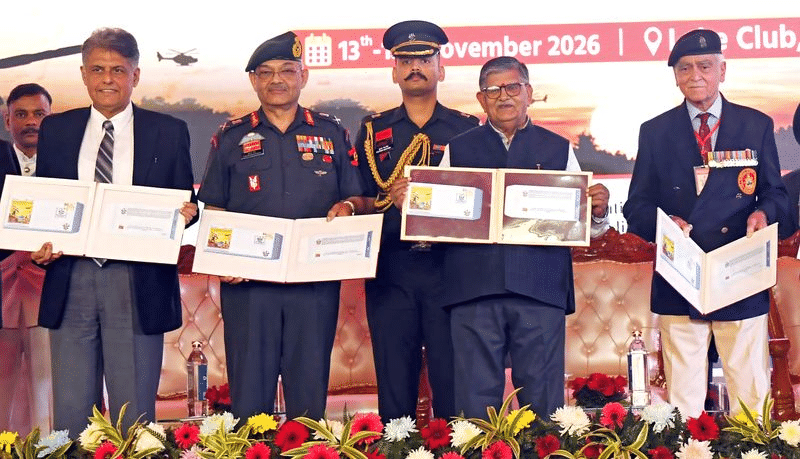
Addressing the inaugural session of the 10th Military Literature Festival in Chandigarh, Kataria warned that the drug menace was eroding Punjab’s social fabric and threatening its rich cultural heritage.
He alleged that drones were being used to smuggle weapons and narcotics from Pakistan into Indian territory, suggesting the possible involvement of a wider network seeking to destabilise the country.
The Governor emphasised that national security extended beyond protecting territorial borders. While the armed forces remained responsible for defending the nation against external aggression, citizens also had a responsibility to strengthen society and contribute to national development.
Reflecting on India’s military history, Kataria highlighted lessons from the 1962 India-China conflict, the country’s preparedness during the 1965 war and its military achievements in 1971. He also referred to Operation Sindoor as an example of India’s growing defence capabilities and self-reliance.
Chandigarh MP Manish Tewari, speaking at the festival, highlighted the changing nature of modern warfare, particularly the increasing importance of asymmetric strategies and emerging technologies.
Citing conflicts involving Russia, Ukraine and West Asia, Tewari stressed the need for India to examine how artificial intelligence, quantum computing, robotics and other advanced technologies could reshape future military operations.
He also drew attention to China’s substantial defence expenditure and its implications for regional security.
Lt Gen TS Shergill (retd), chairman of the Military Literature Festival Association, discussed India’s military heritage and evolving geopolitical challenges.
The discussions highlighted the importance of technological preparedness, social resilience and protecting young people against threats that extend beyond conventional warfare.