


AI Generated Summary
- Senior police officers, intelligence agencies and border security officials gathered on Thursday to discuss emerging security challenges along the India-Pakistan border, particularly the movement of heroin consignments through sophisticated smuggling networks.
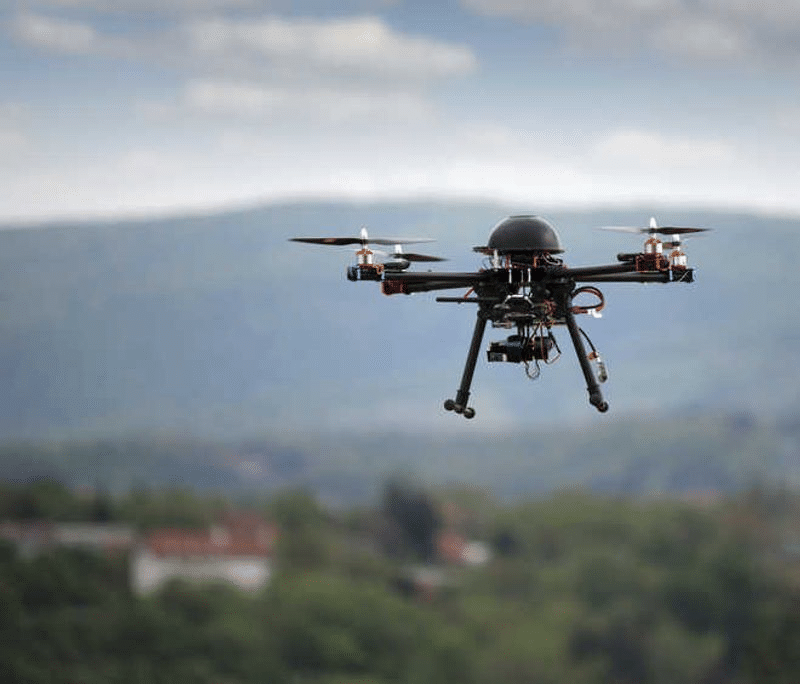
- Indian security agencies have repeatedly reported the use of drones originating from the Pakistan side of the international border to deliver narcotics and other illegal consignments into Punjab.
- Although the meeting was convened against the backdrop of preparations for forthcoming elections in Punjab, the growing threat from cross-border drone operations emerged as a major security concern.
Growing concerns over Pakistan-linked cross-border drug smuggling and the increasing use of drones to transport narcotics into Indian territory have prompted a high-level interstate security coordination meeting in Punjab’s Pathankot district.
Senior police officers, intelligence agencies and border security officials gathered on Thursday to discuss emerging security challenges along the India-Pakistan border, particularly the movement of heroin consignments through sophisticated smuggling networks.
The meeting brought together representatives of the Border Security Force (BSF), Military Intelligence, Special Bureau and senior police officials from Pathankot, Nurpur, Kathua and Chamba.
Pathankot Deputy Commissioner Pallavi and Inspector General of Police (Border Range) GS Bhullar were among the senior officials attending the discussions.
Although the meeting was convened against the backdrop of preparations for forthcoming elections in Punjab, the growing threat from cross-border drone operations emerged as a major security concern.
Indian security agencies have repeatedly reported the use of drones originating from the Pakistan side of the international border to deliver narcotics and other illegal consignments into Punjab.
Such operations present significant challenges because drones can cross sensitive border stretches without requiring conventional physical infiltration.
Once consignments are dropped in designated areas, local handlers can retrieve them and move the contraband through distribution networks extending beyond Punjab.
Officials at the meeting emphasised that these interconnected smuggling operations require coordinated action across multiple states.
According to security sources, criminal syndicates operating outside Punjab frequently coordinate drone deliveries, collection points and subsequent distribution through domestic routes.
The discussions therefore focused on strengthening real-time intelligence sharing, identifying suspected trafficking networks and intercepting consignments before they reach destinations further inland.
Another important aspect involved tracing the financial networks supporting cross-border smuggling.
Shared intelligence databases could help investigators identify transactions, track suspected handlers and freeze assets associated with organised narcotics trafficking across different jurisdictions.
The Pakistan-linked drone threat has become an increasingly important component of India’s border security strategy.
Punjab Police have already strengthened counter-drone arrangements in vulnerable border areas, while security agencies continue to assess evolving aerial smuggling techniques.
The Pathankot meeting underlined the importance of coordinated surveillance, intelligence-led investigations and cooperation between state police forces and central security agencies.
With cross-border trafficking networks increasingly relying on technology and interstate distribution channels, officials recognise that effective enforcement must extend beyond the international boundary.
The latest discussions reflect efforts to disrupt the entire smuggling chain, from drone-based deliveries near Pakistan to narcotics distribution networks operating across northern India.