


AI Generated Summary
- Even the community kitchen at the Golden Temple adjusts its offerings on colder days, adding hearty dishes that end with steaming tea served in humble steel tumblers, reinforcing the values of equality and simplicity that define the place.
- No discussion of breakfast here would be complete without mentioning the iconic kulchas — flaky on the outside, soft and layered within, stuffed with potato, onion, cauliflower or green chillies, and finished with a lavish smear of butter.
- It is about winter mornings, shared tables, inherited recipes and the comfort of familiarity — a daily feast that continues to delight, one plate at a time.
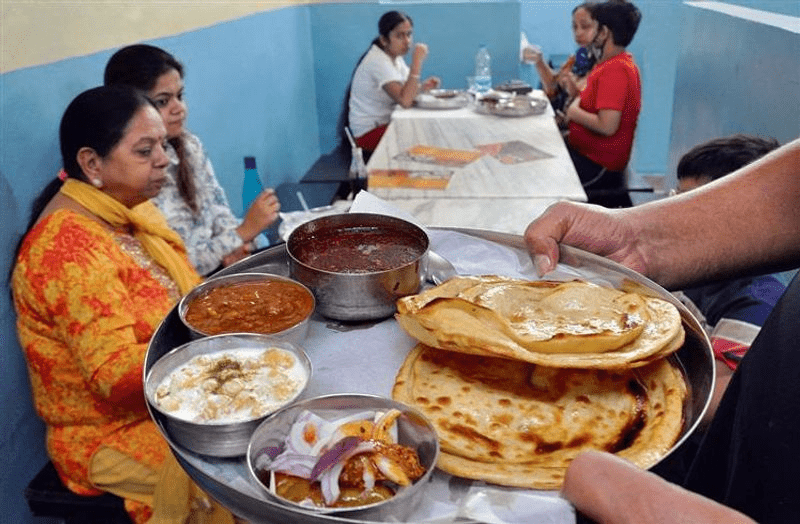
As winter settles gently over the holy city, its streets awaken to a ritual that food lovers cherish above all else — breakfast. While Punjabi cuisine is celebrated across the country for its bold flavours and generous portions, it is the morning meal here that truly captures the city’s soul. With the first chill in the air, residents and visitors alike step out early, drawn by aromas that promise warmth, indulgence and tradition.
Breakfast in the city is not a hurried affair. It is an experience — rich, elaborate and deeply social. The old saying about eating like royalty in the morning finds its fullest expression here. Even the community kitchen at the Golden Temple adjusts its offerings on colder days, adding hearty dishes that end with steaming tea served in humble steel tumblers, reinforcing the values of equality and simplicity that define the place.
What might be considered a light breakfast elsewhere often becomes a substantial meal in these parts. Winter-only delicacies such as gur da karah take centre stage, paired with crisp kachoris stuffed with spiced lentils or bowls of creamy mah di dal. Some prefer to begin with Pashori katlama dipped in karah, both prepared with liberal amounts of desi ghee. Though eaten in modest portions, their richness lingers long after the plates are cleared.
For many locals, the craving strikes the moment they wake up. Old city resident Pankaj Mehra describes it as an instinctive pull — one that sends people straight to their favourite shops before sunrise. Sitting around small tables, sipping hot tea and exchanging morning gossip before 8 am, is as important as the food itself. It is a daily ritual that sets the rhythm for the rest of the day.
Sweet shops and halwai outlets buzz with activity during these hours. Generations-old family businesses pride themselves on serving perfectly puffed puris, golden karah, gajar da halwa and an array of traditional treats that draw both locals and tourists. The sight of dough slipping into hot oil and emerging crisp, puffed and golden is temptation enough to stop even the most disciplined passerby.
Elder residents recall a time when what is now popularly known as puri-chole was simply called karah puri, always accompanied by chholay and tangy pickles. The name may have evolved over time, but in cities like old Lahore, just across the border, the original term still survives. Theatre scripts and nostalgic conversations often feature an elder sending a younger family member out to fetch karah puri for breakfast — a small detail that reflects how deeply the dish is woven into everyday life.
Pickles, too, play a decisive role in the breakfast experience. Many patrons insist on puris served with water-based gobhi, gajar or shaljam pickles spiced with turmeric, red chilli and mustard seeds. Their absence can be reason enough for customers to walk away without ordering.
Some traditions trace their roots far beyond the city. In the walled quarters, one shop continues to serve Pashori katlama, a specialty passed down through generations who once lived in Peshawar before migrating via Lahore. Such dishes carry with them stories of movement, memory and survival.
No discussion of breakfast here would be complete without mentioning the iconic kulchas — flaky on the outside, soft and layered within, stuffed with potato, onion, cauliflower or green chillies, and finished with a lavish smear of butter. They remain a favourite across generations.
While bakery items were once seen as outsiders on the traditional breakfast table, they have long since earned acceptance. Bun-butter and butter-toast now sit comfortably alongside puris and halwa, catering to those who prefer a simpler start to their day.
In the end, the city’s breakfast culture is more than just food. It is about winter mornings, shared tables, inherited recipes and the comfort of familiarity — a daily feast that continues to delight, one plate at a time.
