


AI Generated Summary
- The Khalistan movement, seeking a separate Sikh state, has roots in the painful history of 1980s Punjab—Operation Blue Star, Indira Gandhi’s assassination, and the anti-Sikh riots.
- ” They house the Guru Granth Sahib, the eternal scripture, and serve as centers for kirtan (devotional singing), langar (communal meals open to all, regardless of faith, caste, or status), and seva (selfless service).
- Displaying portraits of terrorists like Parmar, implicated in one of the deadliest aviation attacks in history, mocks the sanctity of these places.
In a video circulating on social media, the ugly underbelly of certain Sikh institutions abroad stands exposed. Photos of armed militants and Talwinder Singh Parmar—the Babbar Khalsa leader and mastermind behind the 1985 Air India Flight 182 bombing that killed 329 innocent people, mostly Canadians—adorn Gurdwaras in Canada, the US, UK, and beyond. Politicians pay visits, governments dispense taxpayer grants, and extremists openly glorify terror. This is not devotion. It is a desecration. Gurdwaras, meant as sanctuaries for worship, equality, and service, have been twisted into platforms for a violent political agenda. This perversion shames the entire Sikh community and tramples the core teachings of our Gurus.
Sikhism’s foundations reject this extremism. Guru Nanak, the faith’s founder, preached universal brotherhood, compassion, and truthful living amid a world “ablaze” with conflict. He condemned hypocrisy, ritualism without ethics, and oppression. Successive Gurus built on this: Guru Arjan Dev faced martyrdom with serenity; Guru Hargobind introduced the principle of miri-piri—temporal and spiritual authority in balance—but always defensive. Guru Gobind Singh, who founded the Khalsa, famously declared in the Zafarnama: when all other means have failed, it is permissible to draw the sword. But this was never a call to offensive terror or glorifying bombers. It was righteous defense against tyranny, rooted in dharam yudh (war for justice), not hatred or separatism.
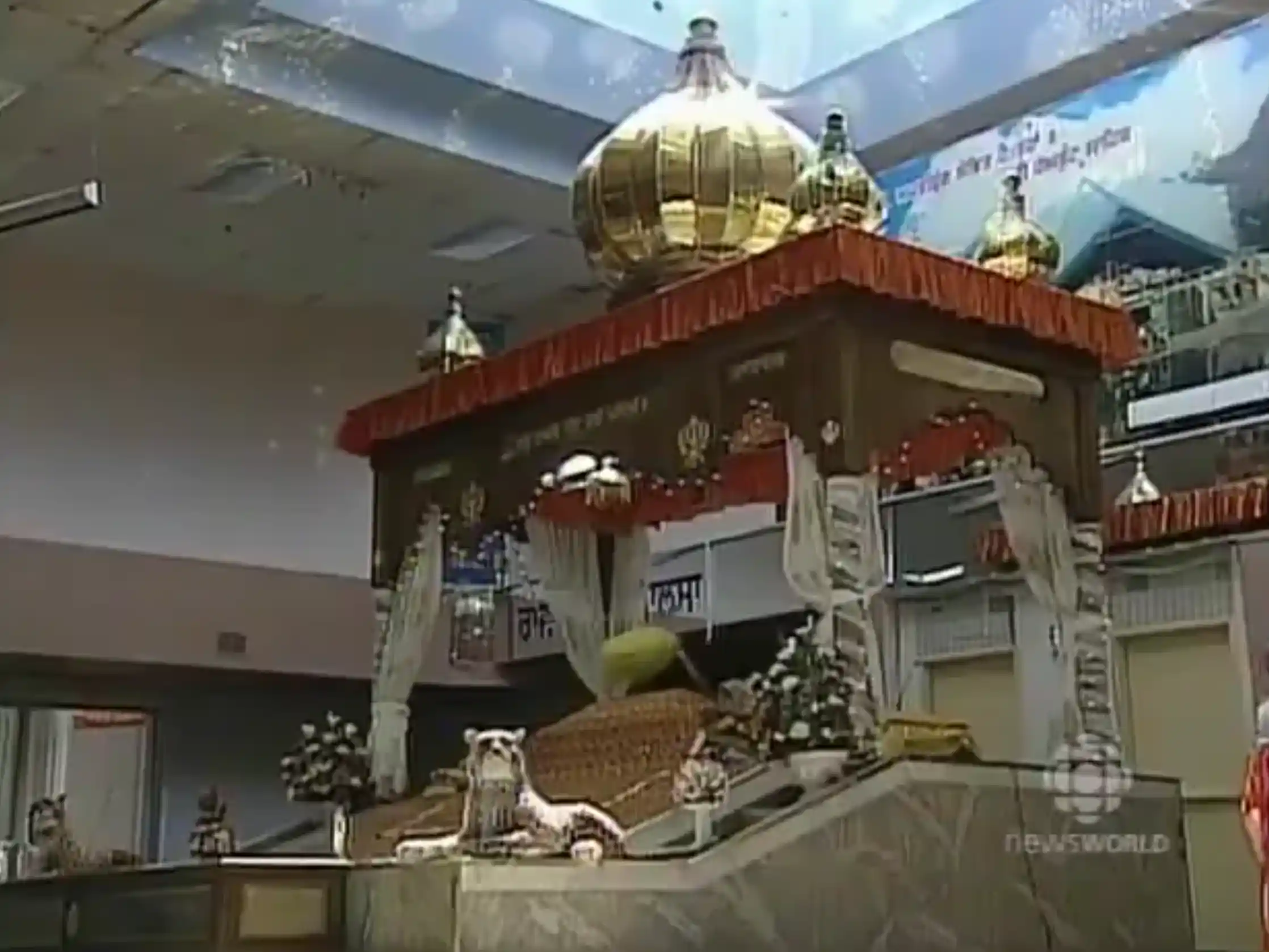
Gurdwaras embody these ideals. The word itself means “doorway to the Guru.” They house the Guru Granth Sahib, the eternal scripture, and serve as centers for kirtan (devotional singing), langar (communal meals open to all, regardless of faith, caste, or status), and seva (selfless service). No one is turned away. They are spaces of humility, reflection, and community upliftment—not propaganda halls for militants. Displaying portraits of terrorists like Parmar, implicated in one of the deadliest aviation attacks in history, mocks the sanctity of these places. It transforms houses of worship into shrines of division.
The Khalistan movement, seeking a separate Sikh state, has roots in the painful history of 1980s Punjab—Operation Blue Star, Indira Gandhi’s assassination, and the anti-Sikh riots. Legitimate grievances existed, and Sikhs suffered immensely. But turning that trauma into a diaspora cult of glorifying terrorists achieves nothing for Punjab’s Sikhs today, who largely reject separatism. Instead, it imports cycles of violence abroad. Reports document Khalistani elements hijacking Gurdwaras, holding “referendums,” displaying Bhindranwale imagery, and even clashing with moderate Sikhs or other communities. Attacks on Hindu temples alongside some Gurdwaras in Canada reveal the intolerance.
This extremism stains the reputation of law-abiding Sikh immigrants who have enriched Canada, the US, UK, and elsewhere through hard work, entrepreneurship, and service. Most Sikhs abhor terrorism. The Air India bombing was a horror that scarred Canadian society; honoring its architect dishonors the victims and the vast majority of Sikhs who condemn it. By associating the panth (community) with such figures, these extremists invite suspicion, strain community relations, and undermine the very freedoms diaspora Sikhs enjoy.
Worse, taxpayer funds flow to some of these institutions. Politicians courting votes attend events where such glorification occurs. Governments must scrutinize grants rigorously. Defunding hijacked entities isn’t religious persecution—it’s basic accountability. Places of worship should promote peace, not subsidize nostalgia for bombers. Exposure through investigation, community audits, and leadership from moderate Sikh bodies is essential. True Sikh leadership should reclaim these spaces, enforcing codes that prioritize Guru Granth Sahib over political posters.
The damage extends beyond optics. Young Sikhs in the diaspora, disconnected from Punjab’s realities, risk radicalization. Online echo chambers amplify grievance, turning faith into identity politics fused with militancy. This echoes failures seen in other communities where diaspora extremism festers. Sikh teachings emphasize naam japo, kirat karo, vand chhako—meditate on the divine, honest labor, and sharing with others. Glorifying Parmar or armed militants violates this. It stomps on the Gurus’ message of fearless justice without descending into vengeance or separatism that harms innocents.
Sikhs worldwide must confront this. Community leaders, granthis, and sangats (congregations) should reject intimidation and reclaim Gurdwaras as beacons of ek onkar—oneness of humanity. Moderate voices have long called for this, but fear of being labeled “anti-Sikh” silences many. Governments in host countries should enforce laws against hate, glorification of terrorism, and foreign interference without bias. India, too, must address Sikh concerns domestically through dialogue and justice to reduce overseas appeal of separatism.
This video is a wake-up call. What should evoke pride—Sikh resilience, charity, martial tradition in service of dharma—now risks association with shame. The Gurus taught courage in the face of injustice, but also wisdom to discern righteous action from destructive rage. Khalistan extremists, by hijacking sacred institutions, betray that wisdom. They bring disrepute to a community known for its contributions and spiritual depth.
It is time for honest introspection. Gurdwaras are for worship, not war rooms. Let us honor the Gurus by restoring purity to these spaces—rejecting violence, embracing service, and standing against those who twist faith into a tool for agendas that divide and destroy. Only then can the Sikh community hold its head high, true to its enlightened heritage.