
AI Generated Summary
- a parasitic public sector, an anaemic tax base, chronic energy circular debt, and a political class that treats the state as a patronage machine rather than an engine of growth.
- It is the spectacle of a desperate state becoming more desperate, one emergency loan at a time.
- Every time Pakistan kicks the can down the road, it ensures the next crisis will be more severe, the concessions demanded by creditors more onerous, and the room for genuine reform narrower.
According to a Bloomberg report this week, Pakistan is urgently negotiating with Saudi Arabia and China for more than $3.5 billion in fresh support. The sole purpose? To repay roughly $3 billion in deposits that the United Arab Emirates has refused to roll over for the first time in seven years. The money must be returned by the end of April. Foreign-exchange reserves, already stretched thin at about $16 billion—barely enough for three months of imports—will take a savage hit. This is not crisis management. It is the spectacle of a desperate state becoming more desperate, one emergency loan at a time.
The numbers tell a story of exhaustion, not recovery. Pakistan’s economy has lurched from one IMF programme to the next for decades, each tranche accompanied by promises of reform that evaporate once the cheque clears. Friendly Gulf monarchies and Beijing have repeatedly stepped in as lenders of first resort—deposits, rollovers, deferred oil payments, CPEC financing. China alone holds more than $25 billion in exposure. Yet these “brotherly” lifelines have never translated into self-sufficiency. They have merely papered over the same structural wounds: a parasitic public sector, an anaemic tax base, chronic energy circular debt, and a political class that treats the state as a patronage machine rather than an engine of growth.
Now even the old safety net is fraying. The UAE’s decision to demand repayment—after years of accommodating Pakistan—signals a subtle but unmistakable shift in Gulf patience. Abu Dhabi is no longer content to subsidise a neighbour whose strategic value appears increasingly marginal. Riyadh, meanwhile, is being courted anew, not because of any sudden economic miracle in Islamabad but because Pakistan’s cupboard is bare. Saudi Finance Minister Mohammed Al-Jadaan visited just days ago. Beijing, already Pakistan’s largest creditor, is being asked to dig deeper still. The choreography is familiar: one benefactor is paid with money borrowed from another. It is the financial equivalent of robbing Peter to pay Paul, except all three are keeping score.
What makes this episode particularly damning is the absence of any serious domestic reckoning. No meaningful privatisation of loss-making state enterprises. No credible crackdown on elite tax evasion. No overhaul of the power sector that bleeds billions annually. Instead, the government’s response remains the same well-worn script: plead with allies, lean on the central bank, and hope markets do not notice the sleight of hand. Finance Minister Muhammad Aurangzeb speaks of “all options,” but the only option ever exercised is more external borrowing. Each new facility adds to the debt stock, raises future servicing costs, and tightens the geopolitical noose. Sovereignty is quietly auctioned off in instalments.
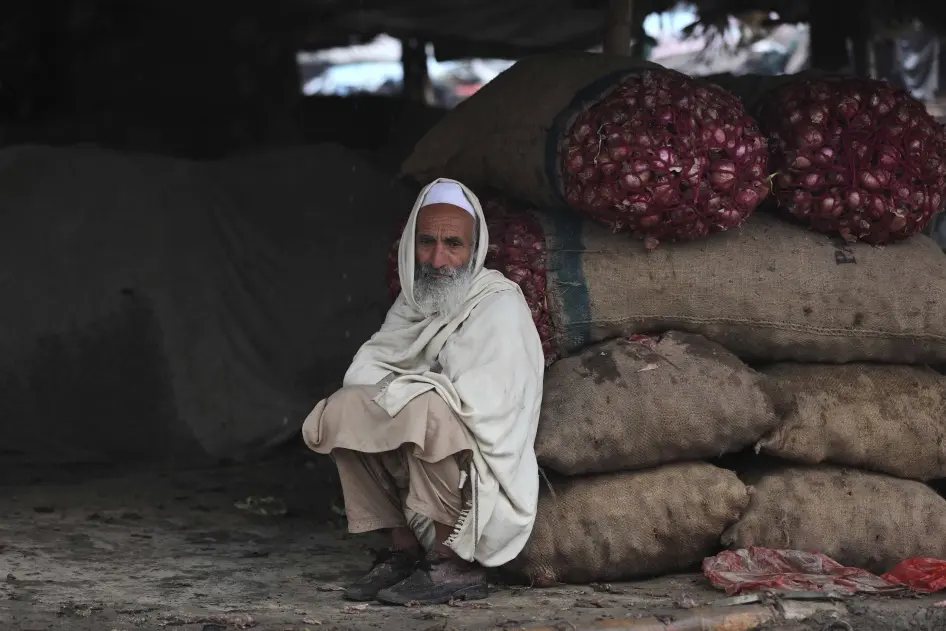
The human cost is not abstract. Inflation still gnaws at household budgets. Youth unemployment breeds despair and emigration. Investment flees to more predictable jurisdictions. Every time Pakistan kicks the can down the road, it ensures the next crisis will be more severe, the concessions demanded by creditors more onerous, and the room for genuine reform narrower. This is not resilience; it is a slow-motion surrender to dependency.
Pakistan’s friends in Riyadh, Beijing and Abu Dhabi are not charities. They extract strategic value—port access, military cooperation, market footholds—for their money. The country’s leaders, however, continue to treat these arrangements as unearned entitlements rather than hard bargains. Until Islamabad demonstrates the political courage to fix its own house—through tax reform, privatisation, rule of law, and an export-driven growth model—it will remain trapped in this beggar’s circuit. The latest $3.5-billion shuffle may stave off immediate default, but it deepens the structural trap. A desperate state is not merely surviving; it is perfecting the art of becoming more desperate still.
The tragedy is that Pakistan possesses the human talent, the entrepreneurial energy and the geographic position to thrive. What it lacks is the will to break the cycle. Until that changes, the begging bowl will remain full, the creditors will keep rotating, and the nation will slide ever further from dignity into dependence. History is watching, and the ledger is unforgiving.