


AI Generated Summary
- ” It described state-sponsored mass killings, targeted brutality, destruction of homes, businesses, and gurdwaras, and the intergenerational trauma affecting survivors and their families in Canada.
- Following the motion’s defeat, social media circulated claims that Dhaliwal acted at the behest of Zeeshanwala (or Zeeshan Wala), described as a Pakistani ISI asset.
- Posts alleged Zeeshanwala, who reportedly contested against Dhaliwal and lost, influenced him via intermediaries, including a Vancouver mosque figure and NDP MLA Amna Shah, to advance an anti-India agenda.
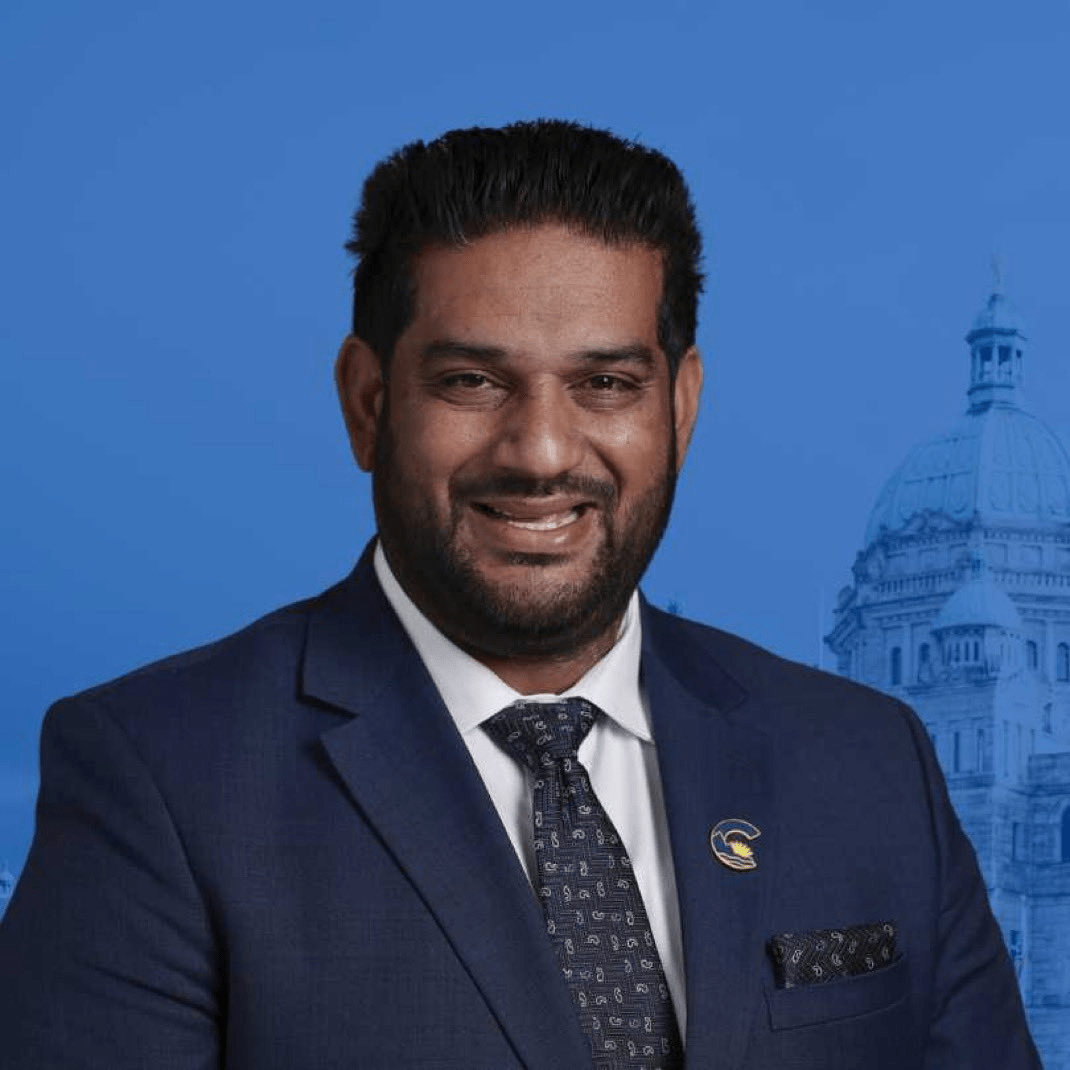
Just last week, British Columbia Conservative MLA Mandeep Dhaliwal, representing Surrey North, introduced Motion 213 in the BC Legislative Assembly. The motion sought formal recognition of the 1984 anti-Sikh violence in India—following the assassination of Prime Minister Indira Gandhi—as “genocide.” It described state-sponsored mass killings, targeted brutality, destruction of homes, businesses, and gurdwaras, and the intergenerational trauma affecting survivors and their families in Canada.
Dhaliwal framed it as an act of remembrance and education against hate. The motion failed to secure unanimous consent and was blocked, primarily due to opposition from the governing NDP. Critics, including some within Sikh communities and Indian diaspora voices, viewed the procedural approach (seeking unanimous consent) as one that anticipated defeat, sparking debate on whether it prioritized symbolism over passage.

Dhaliwal, elected in 2024 as a BC Conservative, flipped Surrey North from the NDP. A former entrepreneur and kabaddi player from India, his background includes limited prior public emphasis on 1984 issues. His sudden advocacy drew both praise from pro-recognition voices and skepticism from those seeing it as importing foreign politics into Canadian legislatures.
Allegations of Pakistan ISI Influence
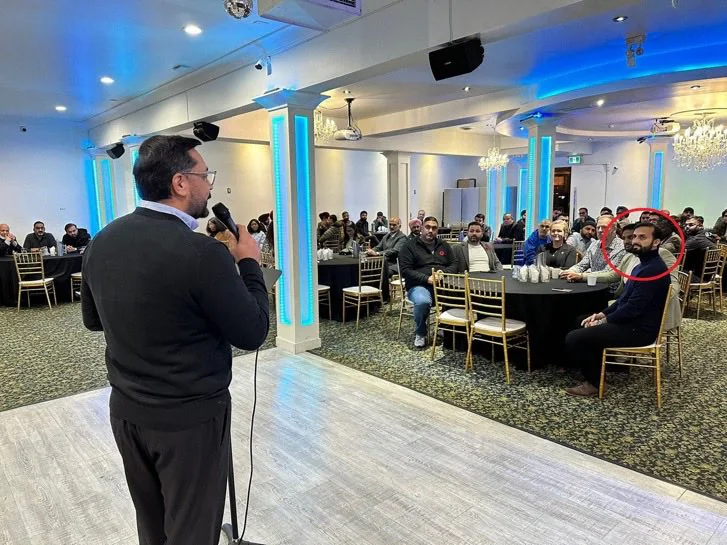
Following the motion’s defeat, social media circulated claims that Dhaliwal acted at the behest of Zeeshanwala (or Zeeshan Wala), described as a Pakistani ISI asset. Posts alleged Zeeshanwala, who reportedly contested against Dhaliwal and lost, influenced him via intermediaries, including a Vancouver mosque figure and NDP MLA Amna Shah, to advance an anti-India agenda.
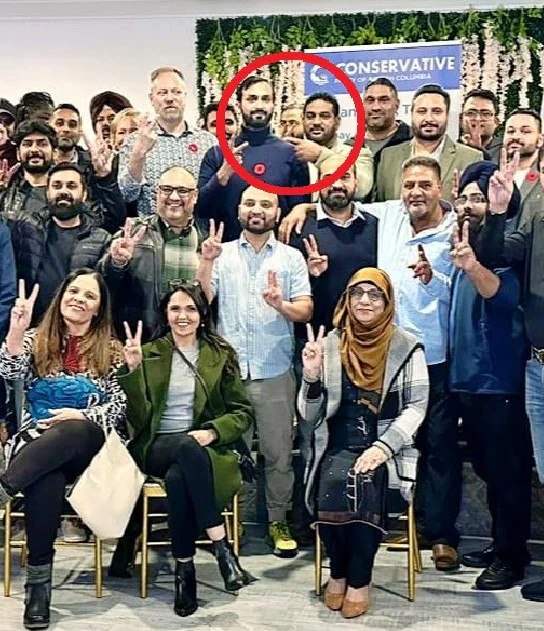
These claims, if true, show how such motions are part of broader ISI efforts to exploit Sikh grievances against India. Canadian security agencies have previously warned of foreign interference (e.g., from China and Pakistan) in diaspora politics. Dhaliwal has not publicly responded to these specific claims.
Such narratives risk conflating legitimate historical remembrance with foreign proxy warfare. Pakistan has historically supported Sikh militancy in the 1980s–90s for strategic reasons against India. Canada’s foreign agent registry discussions highlight the need for transparency in diaspora lobbying.
The episode underscores tensions in multicultural Canada: balancing historical justice for communities with avoiding entanglement in overseas conflicts. Recognizing past atrocities (as Canada has for Armenian, Ukrainian Holodomor, or Holocaust events) can foster education, yet selective motions risk politicization when tied to unresolved geopolitical rivalries. The 1984 events warrant honest study—acknowledging both violence against Sikhs and the context of Khalistani insurgency that preceded and followed it—without weaponization.
Dhaliwal’s motion highlights real pain for many BC families. Its defeat and ensuing conspiracy claims, however, reveal deeper fractures: between remembrance and realpolitik, and between evidence-based discourse and influence operations. Canadian legislators should prioritize domestic issues like healthcare, housing, and public safety in Surrey while approaching foreign histories with caution and verified facts. Unsubstantiated ISI narratives, if unproven, distract from genuine accountability; if proven, they demand serious security scrutiny.
Ultimately, memory should serve truth and reconciliation, not division. BC’s legislature—and Canada—benefits from robust debate grounded in evidence, not shadows of distant intelligence games.
