


AI Generated Summary
- They are erasing the entire shared history of the freedom struggle in which Sikh blood flowed as freely as any other community’s — from the Ghadar Movement to the INA to the naval mutiny.
- He was a 23-year-old Sikh revolutionary who walked to the gallows in Lahore Central Jail on 23 March 1931 with the cry “Inquilab Zindabad” on his lips.
- Their “madrassas,” as one recent X post sarcastically called them, are teaching children that a Sikh revolutionary who defied the British is a traitor, while simultaneously demanding “freedom” from the very country Bhagat Singh died to liberate.
In the past few days, X has once again been flooded with the same nauseating clips: self-styled Khalistani preachers and activists openly calling Shaheed Bhagat Singh a “traitor,” a “Brahmin bootlicker,” and even a “terrorist.” These videos — featuring figures like Gurcharan Singh of Dal Khalsa and others in Canada and the UK — are not ancient relics. They are being recirculated right now, with fresh outrage and fresh shares, as if the Khalistani ecosystem cannot let a single month pass without reminding the world how deep its historical illiteracy and ideological poison run.
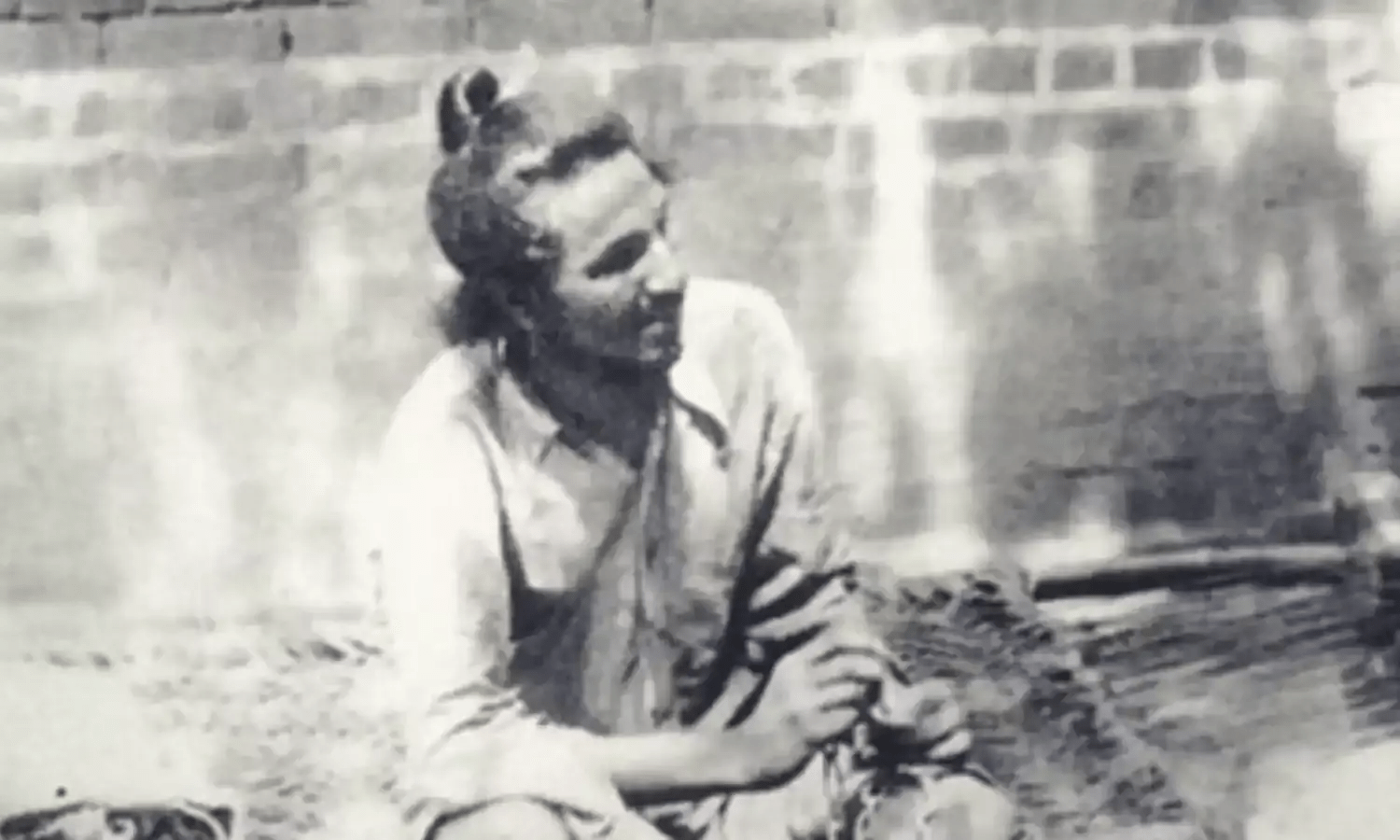
This is not mere fringe ranting. It is a new low — even for a movement that has already normalised violence, flag desecration, threats to diplomats, and glorification of terrorists. Bhagat Singh was not some distant historical figure who can be airbrushed or slandered without consequence. He was a 23-year-old Sikh revolutionary who walked to the gallows in Lahore Central Jail on 23 March 1931 with the cry “Inquilab Zindabad” on his lips. He, along with Sukhdev Thapar and Shivaram Rajguru, bombed the Central Legislative Assembly not for personal glory but to awaken a sleeping nation. He threw his life away fighting the same British Empire that Khalistanis claim to oppose — yet they brand him a collaborator. The cognitive dissonance is staggering.
Let us be clear about who Bhagat Singh actually was. Born into a Sandhu Jat Sikh family in Punjab. He read Lenin and Marx in jail, wrote powerful essays against untouchability and religious superstition, and refused to seek any special treatment on the basis of faith. His last letter, written hours before hanging, is a manifesto of secular patriotism: “I am not a criminal, nor a saint. I am a revolutionary.” He fought shoulder-to-shoulder with Hindus, Muslims, and Sikhs in the Hindustan Socialist Republican Association. His sacrifice was for an undivided, free India — not a theocratic Sikh ethno-state carved out of it.
Yet Khalistani ideologues insist he was a “slave of Brahmins” because he did not limit his revolution to Sikh grievances. This is the same twisted logic that leads them to desecrate the Tricolour, attack Indian consulates, and demand a “Khalistan” that would leave Punjab economically crippled and strategically indefensible. They have convinced themselves that any Indian who fought the British is automatically a sell-out. In doing so, they are not just insulting one martyr; they are erasing the entire shared history of the freedom struggle in which Sikh blood flowed as freely as any other community’s — from the Ghadar Movement to the INA to the naval mutiny.
This is what makes the latest videos a new low. Previous Khalistani outrages could at least be dismissed as political theatre. But attacking Bhagat Singh is an assault on the very idea of sacrifice itself. It distorts history for young Sikhs in Punjab, in Canada, in the UK. It tells them that a man who gave his life at 23 for the motherland he loved is actually the enemy.
The tragedy is compounded by the fact that all mainstream Sikh institutions and the vast majority of Sikhs in India still revere Bhagat Singh as their own. It is only the overseas Khalistani fringe — often funded, radicalised, and sheltered in Western democracies by external powers such as Pakistan — that feels compelled to drag his name through the mud. Their “madrassas,” as one recent X post sarcastically called them, are teaching children that a Sikh revolutionary who defied the British is a traitor, while simultaneously demanding “freedom” from the very country Bhagat Singh died to liberate.
Enough. Disrespecting the man who kissed the noose for India’s independence is not an act of courage; it is moral bankruptcy dressed up as activism. It reveals Khalistanism for what it is: not a liberation theology, but a grievance industry that survives by cannibalising its own history. Bhagat Singh’s blood was shed for every Indian, Sikh or not. The latest videos do not diminish his legacy. They only diminish those who utter the insults — and expose, once again, how far the Khalistan project has fallen from any claim to honour, dignity, or truth.