


AI Generated Summary
- Titled “Mehfil-e-Dastangoi – The Art of the Spoken Tale”, the event celebrated the enduring power of storytelling that intertwines poetry, literature, emotion and performance into a captivating theatrical experience.
- Steeped in history, dastangoi traces its origins to Persian storytelling traditions and later flourished in the Indian subcontinent during the Mughal era, eventually becoming deeply rooted in Urdu literary culture.
- The timeless art of dastangoi, an age-old tradition of Persian oral storytelling, found renewed resonance at a special cultural evening hosted by Phulkari–Women of Amritsar at Radisson Blu recently.
The timeless art of dastangoi, an age-old tradition of Persian oral storytelling, found renewed resonance at a special cultural evening hosted by Phulkari–Women of Amritsar at Radisson Blu recently. Titled “Mehfil-e-Dastangoi – The Art of the Spoken Tale”, the event celebrated the enduring power of storytelling that intertwines poetry, literature, emotion and performance into a captivating theatrical experience.
Steeped in history, dastangoi traces its origins to Persian storytelling traditions and later flourished in the Indian subcontinent during the Mughal era, eventually becoming deeply rooted in Urdu literary culture. Over the years, the art form has evolved from courtly entertainment into a vibrant contemporary performance genre that continues to engage modern audiences.
The evening featured noted cultural commentator Sunil Mehra alongside young performer and Urdu scholar Pallav Mishra, who is associated with Rekhta, a prominent platform dedicated to Urdu literature and language appreciation. Together, the duo recreated the essence of classical oral storytelling while weaving in themes of social relevance and literary resistance.
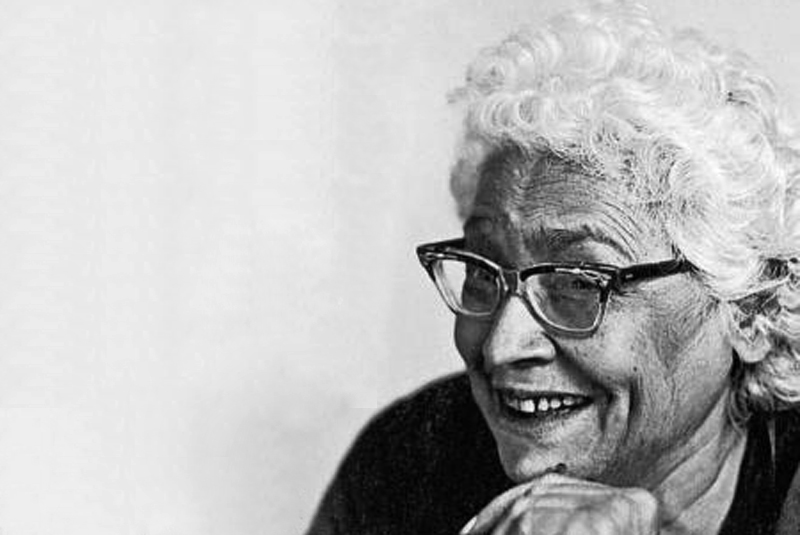
One of the highlights of the performance was the presentation of celebrated works by iconic feminist Urdu writer Ismat Chughtai. Through dramatic narration and expressive storytelling, the performers transformed literary narratives into immersive live experiences that deeply connected with the audience.
Speaking about Chughtai’s influence, Sunil Mehra said her fearless writing challenged patriarchal norms and gave voice to issues that society often refused to confront. He noted that her work questioned the silence imposed on women and criticised societal structures that denied them equality and dignity.
Pallav Mishra emphasised the intimacy that defines dastangoi. According to him, the format creates a direct emotional connection between storyteller and audience, making every performance feel like a shared conversation. He also reflected on the significant contribution of women writers to Urdu literature, many of whom remained overlooked due to social constraints.
The cultural evening also underscored the importance of preserving traditional art forms in rapidly changing times. Phulkari president Kavita Kahlon said such initiatives create meaningful spaces for artistic engagement while helping younger audiences reconnect with literary and cultural heritage. During the event, platinum membership cards for Phulkari members were also introduced.
Blending history, literature and performance, the evening reaffirmed how dastangoi continues to thrive as a living art form — one that preserves collective memory while speaking powerfully to contemporary society.