


AI Generated Summary
- The enforcement campaign follows a deadly crash in Florida in which a truck driver — whom Transportation Secretary Sean Duffy says was not authorized to be in the U.
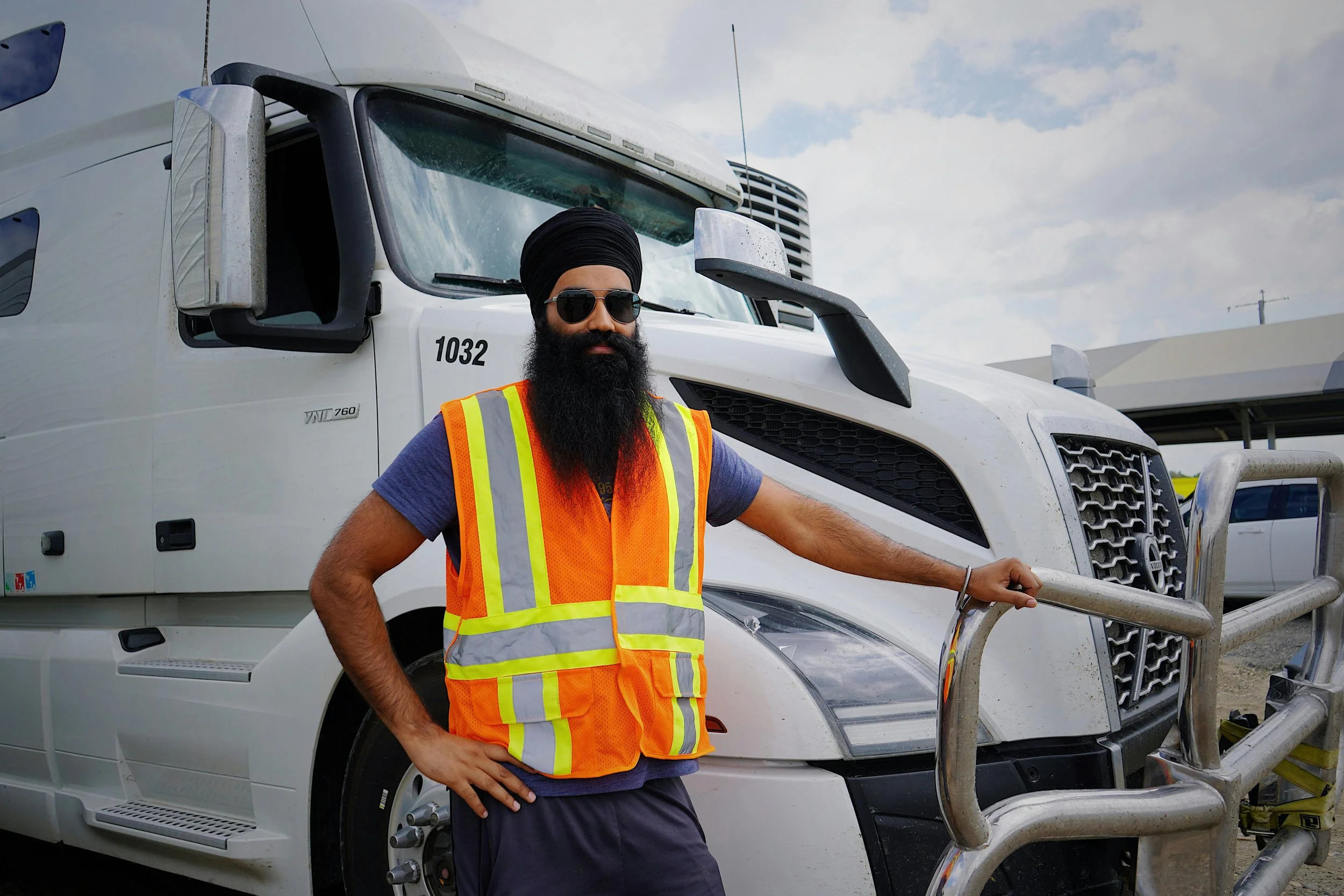
- At the same time, immigrant-driver advocacy groups argue that the crackdown has unfairly targeted immigrant-run companies and drivers, particularly Sikhs, who make up roughly 40% of the West Coast trucking workforce and an estimated 20% of truck drivers nationwide.
- The Department of Homeland Security is currently auditing immigrant-owned trucking firms in California to verify driver immigration status and CDL eligibility — a process Sikh advocacy groups say has resulted in widespread harassment of fully licensed drivers.
Nearly half of the truck-driver training programs listed nationwide could soon shut their doors as federal officials move to purge schools that fail to meet basic safety and training standards. The U.S. Department of Transportation (DOT) announced Monday that it intends to revoke certification from almost 3,000 truck-driving schools unless they can prove compliance within 30 days — a move that could upend the industry’s training landscape and intensify debate over immigration, safety, and labor shortages.
The threatened schools, representing about 44% of all federally listed truck-driver programs, have been ordered to immediately alert students that their status is at risk. An additional 4,500 programs have been warned that they may face similar scrutiny.
Programs that ultimately lose approval will no longer be permitted to issue the federally recognized certificates required for commercial driver’s licenses (CDLs). DOT officials say many of the targeted schools appear to be inactive or operating far below federal standards, but whether the mass decertification could worsen the nation’s long-standing driver shortage remains unclear.
A Push Sparked by Fatal Crash
The enforcement campaign follows a deadly crash in Florida in which a truck driver — whom Transportation Secretary Sean Duffy says was not authorized to be in the U.S. — made an illegal U-turn, causing a collision that killed three people. Duffy has since vowed to eliminate what he describes as “reckless practices” that allow unqualified or undocumented drivers to obtain commercial licenses.
“We cannot allow poorly trained drivers behind the wheel of semi-trucks and school buses,” Duffy said, adding that several states now face threats of lost federal funding if they do not rapidly correct licensing violations. Minnesota is the latest target, with Duffy warning he may withhold $30.4 million unless the state revokes improperly issued CDLs and fully verifies drivers’ work authorization.
To date, each state publicly challenged by Duffy has been Democratic-led, though he maintains that audits are underway in others, including Texas and South Dakota.
Industry Divided Over Impact
Truck-driver training groups say the government’s actions will help root out “CDL mills” — schools that promise licenses after only a few days of instruction and offer little real training.
Andrew Poliakoff, head of the Commercial Vehicle Training Association, said many of the programs now under review charged low fees and delivered no meaningful education. “They’re fleecing people,” he said, noting that his organization’s 400 training locations were not among those targeted. Accredited programs typically require at least a month of classroom and behind-the-wheel training.
Federal officials say the schools in question failed to keep proper records, manipulated training data, or simply did not meet minimum federal standards. Some appear to have been dormant for years.
One such operator, Yogi Sanwal, said his company shuttered its school in 2022 after county regulators demanded costly facility upgrades when federal accreditation rules changed. Unable to afford an estimated $150,000 in improvements, he closed the program after training roughly 500 students over several years.
Industry groups have largely applauded DOT’s tougher stance, arguing that weak training rules have long allowed unqualified drivers to slip through the system. “When training standards are weak or nonexistent, everyone on the road pays the price,” said Todd Spencer, president of the Owner Operator Independent Drivers Association.
Immigrant Drivers Say They’re Being Singled Out
At the same time, immigrant-driver advocacy groups argue that the crackdown has unfairly targeted immigrant-run companies and drivers, particularly Sikhs, who make up roughly 40% of the West Coast trucking workforce and an estimated 20% of truck drivers nationwide.
The Department of Homeland Security is currently auditing immigrant-owned trucking firms in California to verify driver immigration status and CDL eligibility — a process Sikh advocacy groups say has resulted in widespread harassment of fully licensed drivers.
“Sikh and immigrant truckers with spotless records are being treated like suspects while they keep America’s freight moving,” the UNITED SIKHS organization said in a statement. The group warns that federal rhetoric linking immigration status and roadway safety risks encouraging xenophobia and violence.
California recently moved to revoke 17,000 CDLs after federal officials flagged potentially improper issuances involving immigrants whose work permits had expired or were never verified.
What Comes Next
With thousands of schools facing loss of certification, the broader effects on the trucking workforce remain uncertain. While regulators say they are rooting out bad actors, immigrant-rights groups and some state officials argue that the rapidly escalating actions could destabilize parts of the industry — and disproportionately affect lawful immigrant drivers who have become essential to the country’s supply chain.
Minnesota Gov. Tim Walz’s office said the state is already working to ensure full compliance with federal law. “We take safety on our roads seriously,” spokesperson Claire Lancaster said.
As the review continues, the clash between federal regulators, immigrant advocates, and the trucking industry appears poised to intensify — with the future of thousands of training programs, and potentially tens of thousands of drivers, hanging in the balance.
