


AI Generated Summary
- They do not explain why a mosque inside a police lines in Kohat could be reached by a car bomb in the first place.
- It was Pakistani policemen at prayer, inside a police compound, in a city that is supposed to be under state control.
- It was the predictable harvest of a policy that treated jihadist infrastructure as a strategic asset rather than a liability.
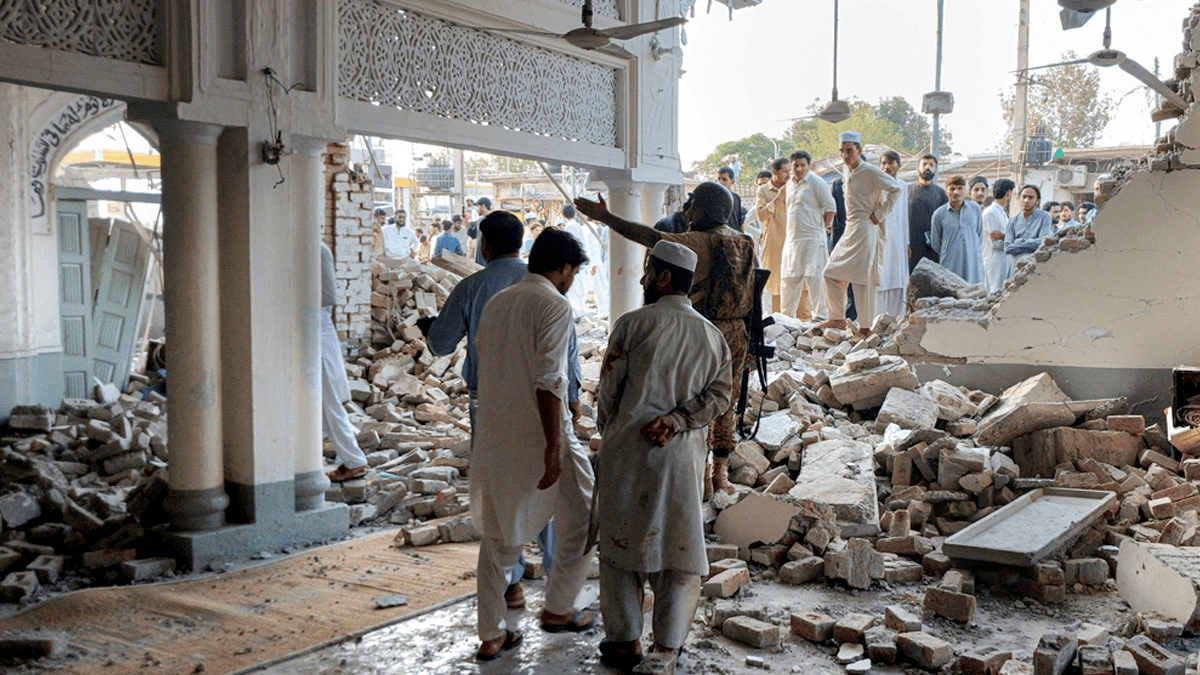
On Friday, 18 September 2026, an explosives-laden vehicle rammed a mosque inside Kohat’s Old Police Lines during Jumma prayers. Gunmen then tried to storm the compound. The death toll climbed from initial reports of 16 to 21–23, including 15–17 police officers, civilians, a four-year-old child, and a paediatric specialist. More than 100 were wounded. Eight attackers were eventually killed. One of the bombers has been identified as an Afghan national. A Hafiz Gul Bahadur-linked alliance, Ittehad-ul-Mujahideen Pakistan, claimed the assault.
This was not an aberration. It was the predictable harvest of a policy that treated jihadist infrastructure as a strategic asset rather than a liability.
For decades Pakistan’s security establishment distinguished between “good” and “bad” militants. Groups useful against India or in Afghanistan were sheltered, funded, or at least tolerated. The same networks that trained, recruited, and moved fighters across the Durand Line were never fully dismantled. After the Afghan Taliban’s 2021 takeover, those networks gained more room to operate. Tehrik-e-Taliban Pakistan and allied commanders such as Hafiz Gul Bahadur reconstituted themselves with sanctuary, weapons, and ideological cover on Afghan soil. Islamabad now complains about that sanctuary even as it continues to play favourites among the very factions it once cultivated.
Kohat shows what selective counter-terrorism produces. The target was not an Indian consulate or a Western embassy. It was Pakistani policemen at prayer, inside a police compound, in a city that is supposed to be under state control. The method—vehicle bomb plus follow-on assault—requires planning, explosives, reconnaissance, and local facilitation. Those capabilities do not appear overnight. They are the residue of an ecosystem Pakistan allowed to persist because it was useful against someone else.
The numbers tell the same story. Militant violence in Khyber Pakhtunkhwa has risen sharply since 2021. Police and army posts, not just remote checkpoints, are being hit. Claims of responsibility now come from alliances that blend old TTP commanders, Lashkar-e-Islam remnants, and other outfits that once enjoyed varying degrees of official forbearance. Official language still prefers “Fitna al-Khawarij” to naming the problem honestly: the state built a militant reserve force and lost control of it.
Blaming Kabul is convenient and only partly true. Cross-border movement and Afghan-origin attackers matter. They do not explain why a mosque inside a police lines in Kohat could be reached by a car bomb in the first place. That is a failure of intelligence, perimeter security, and political will inside Pakistan. A state that spent years treating some jihadists as assets cannot suddenly demand that every jihadist treat it as off-limits.
The regional cost is already visible. An unstable Pakistan with expanding domestic terrorism is a worse neighbour, not a more useful one. It exports fighters, ideology, and instability while demanding that others ignore its own record. For India, the lesson is not new: the same infrastructure used against Kashmir or Mumbai was never going to remain neatly compartmentalised. For Afghanistan’s Taliban rulers, the Kohat claim by a Bahadur-linked group is another reminder that their guests do not stay guests. For Pakistan’s own citizens, the lesson is bloodier. Friday prayers are no longer safe even inside a police compound.
Pakistan can still choose a different path: end the distinction between useful and inconvenient militants, close the sanctuaries it still winks at, and treat groups that bomb Pakistani mosques the same way it once treated groups that served its foreign-policy goals. Until it does, Kohat will not be the last time the infrastructure it nurtured turns inward. The state that played with fire is now burning its own house.