


AI Generated Summary
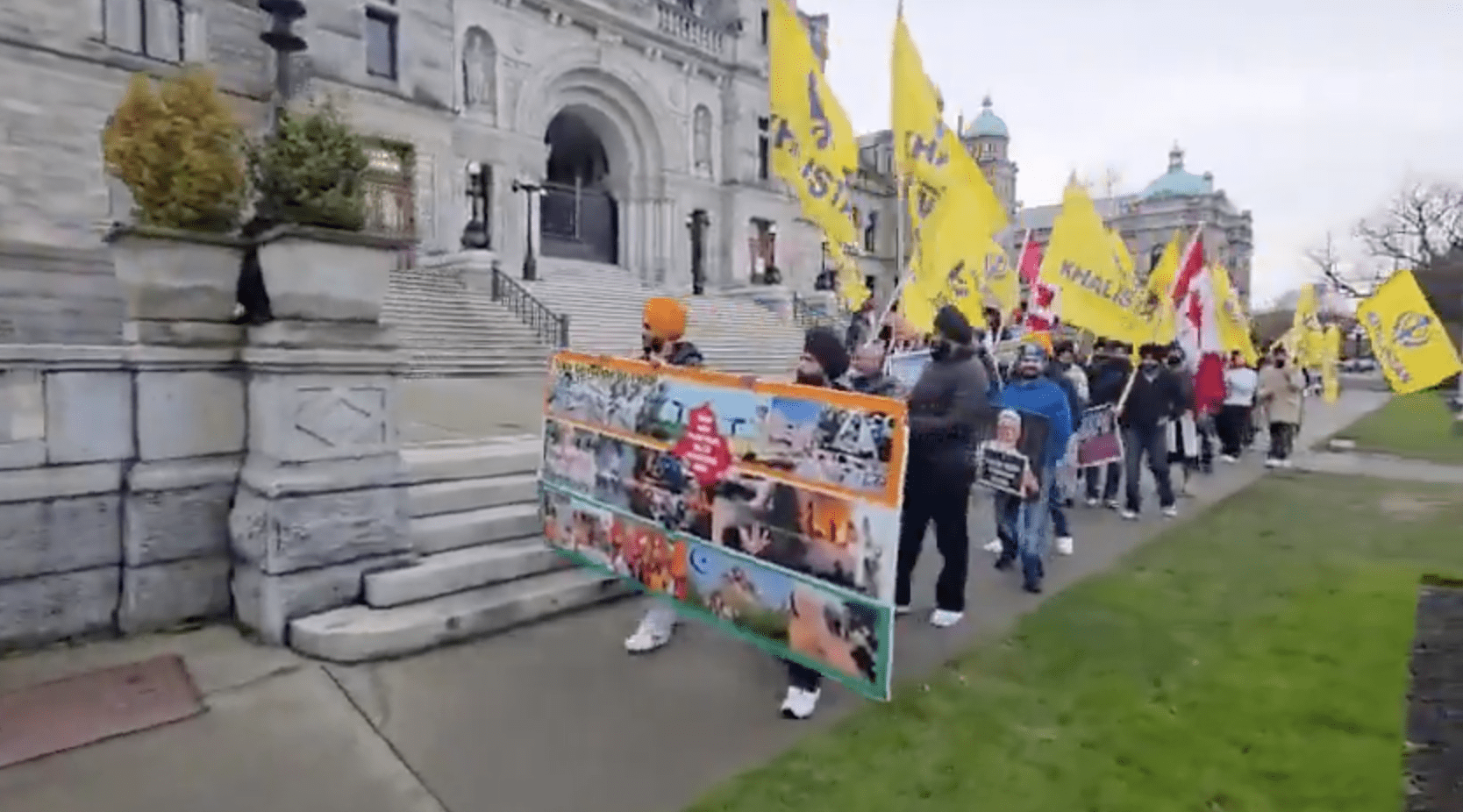
- A demonstration at the British Columbia Legislative Assembly in Victoria this week has renewed debate over the presence and impact of pro-Khalistan activism in Canada, particularly when it targets elected officials.
- As governments balance the protection of civil liberties with the need to counter extremism, the protest in Victoria highlights an ongoing challenge.
- At the heart of the protest was opposition to Canadian politicians maintaining trade or diplomatic engagement with India.
A demonstration at the British Columbia Legislative Assembly in Victoria this week has renewed debate over the presence and impact of pro-Khalistan activism in Canada, particularly when it targets elected officials.
The protest, staged by individuals advocating for a separate Khalistan state, singled out B.C. Premier David Eby, adding to what observers describe as a growing pattern of public pressure campaigns against political figures who do not support the movement’s separatist objectives. Similar tactics have previously included rallies, coordinated online campaigns and public demonstrations aimed at officials viewed as unsympathetic to the cause.
At the heart of the protest was opposition to Canadian politicians maintaining trade or diplomatic engagement with India. Supporters of the Khalistan movement often frame such engagement as tacit approval of the Indian government, which they strongly oppose. Critics argue that these groups are taking advantage of Canada’s broad protections for free expression to push a narrowly focused political agenda that has little public support.
Canadian intelligence agencies have warned that while the broader Sikh community overwhelmingly rejects violence, a small extremist faction linked to Khalistan activism operates within Canada. According to intelligence assessments, this fringe element is associated with inflammatory propaganda and, in some cases, rhetoric that raises concerns about the potential for violence.
The issue has taken on wider significance as federal authorities grapple with the implications for immigration policy, foreign relations and national security. Analysts note that persistent activism by extremist elements risks complicating Canada’s diplomatic ties and fueling concerns about foreign interference in domestic politics.
As governments balance the protection of civil liberties with the need to counter extremism, the protest in Victoria highlights an ongoing challenge: how to ensure Canada remains open and democratic, while preventing small but vocal groups from exerting disproportionate influence over political discourse and international relations.