
AI Generated Summary
- “We use all available information to determine whether an applicant is admissible to the United States,” the department noted, emphasizing that the government must remain vigilant to ensure that individuals entering the country do not pose threats to public safety or national interests.
- The move is the latest in a series of measures undertaken by the Trump administration aimed at tightening immigration controls and increasing oversight of foreign nationals seeking entry into the U.
- As the new rules take effect, employers, applicants, and immigration advocates are watching closely to see how the expanded social-media review process will influence visa processing times—and the broader landscape for legal immigration to the United States.
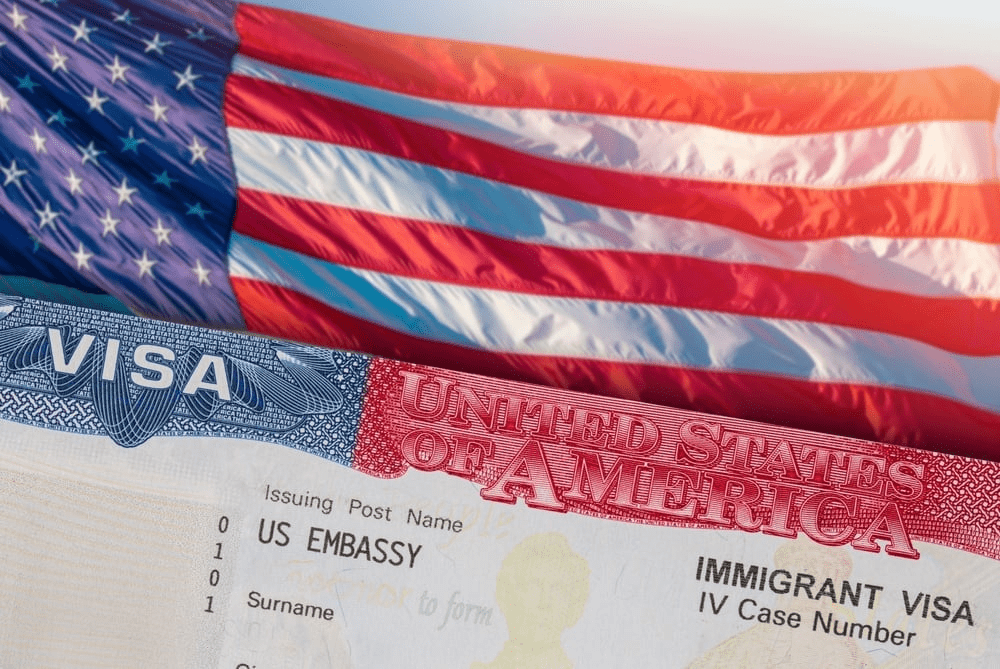
Beginning Monday, the United States has implemented a sweeping expansion of its visa-screening procedures, adding mandatory social-media reviews for individuals applying for H-1B visas and their H-4 dependents. The new policy, announced by the State Department, marks a significant tightening of vetting practices for skilled foreign workers and their families.
Under the directive, consular officials will review applicants’ publicly visible online profiles as part of the visa adjudication process. The requirement, which takes effect December 15, brings H-1B and H-4 applicants into alignment with existing protocols already applied to international students and exchange visitors entering under F, M, and J visa categories.
To enable the enhanced screening, applicants in these visa categories are instructed to set all social-media accounts to public during the review period. U.S. officials say the expanded vetting is intended to help verify applicants’ eligibility and identify potential security risks.
The change has already had ripple effects abroad. Several H-1B applicants in India have reported that their visa interviews were postponed pending the new social-media review steps, adding uncertainty to a process already known for its scrutiny.
A State Department spokesperson underscored that a visa “is a privilege, not a right,” and reaffirmed that national-security considerations guide every decision. “We use all available information to determine whether an applicant is admissible to the United States,” the department noted, emphasizing that the government must remain vigilant to ensure that individuals entering the country do not pose threats to public safety or national interests.
The move is the latest in a series of measures undertaken by the Trump administration aimed at tightening immigration controls and increasing oversight of foreign nationals seeking entry into the U.S. Critics of previous policy shifts have argued that heightened scrutiny disproportionately affects skilled workers and students, while supporters say the added precautions are necessary in an era of evolving security challenges.
As the new rules take effect, employers, applicants, and immigration advocates are watching closely to see how the expanded social-media review process will influence visa processing times—and the broader landscape for legal immigration to the United States.