


AI Generated Summary
- While no conclusions have yet been reached in that case, the convergence of these incidents has intensified concerns about a pattern that can no longer be dismissed as isolated.
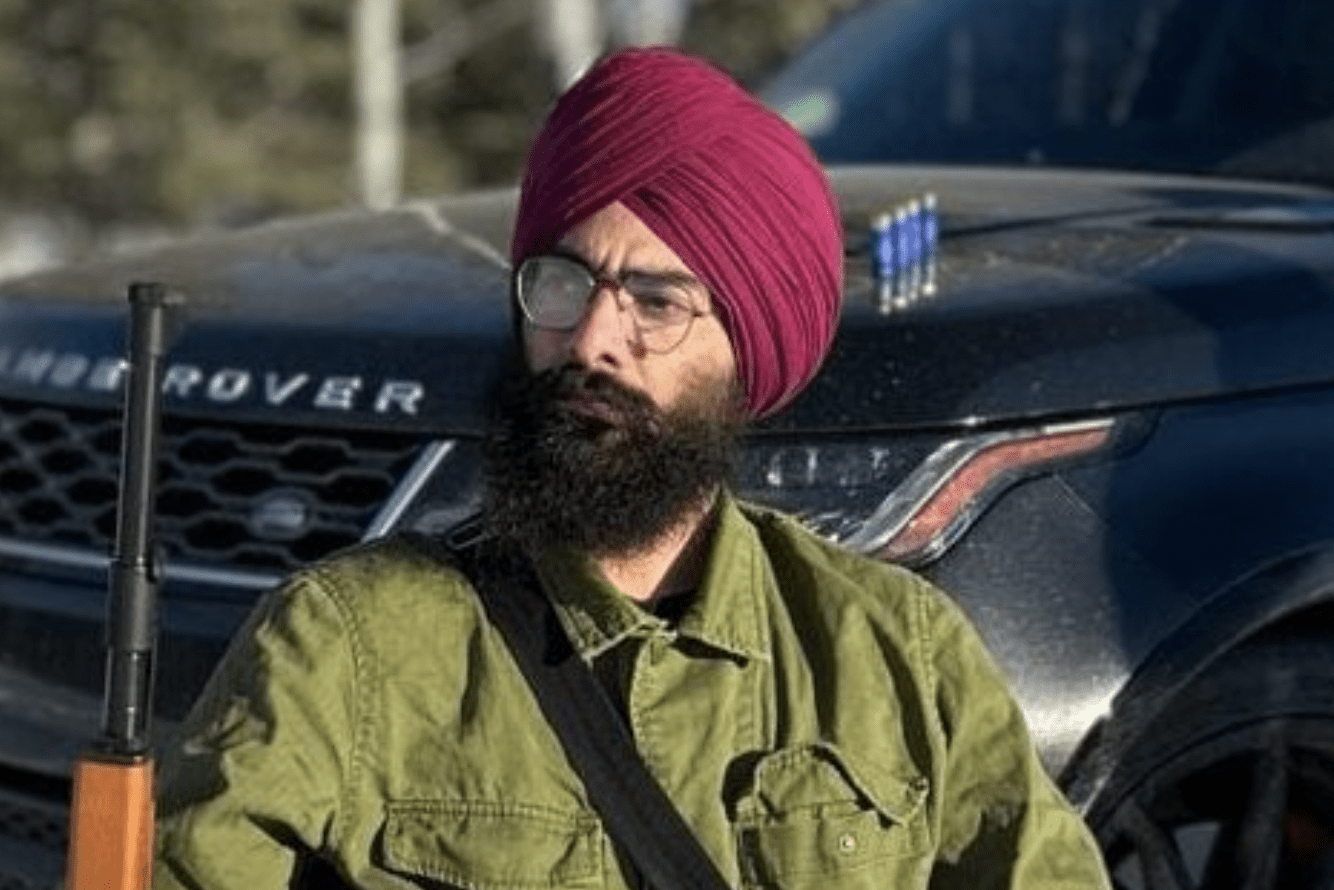
- The guilty plea by Dilpreet Singh, 29, for assault causing bodily harm marks a significant moment in a case that shocked Canada.
- A guilty plea spares victims the ordeal of a prolonged trial and affirms that acts of violence will not go unanswered.
The guilty plea by Dilpreet Singh, 29, for assault causing bodily harm marks a significant moment in a case that shocked Canada. Kumar, a prominent voice on RED FM and known for his outspoken views, was nearly blinded in a brutal 2024 attack. For months, the incident stood as yet another example of how ideological extremism can manifest not just in rhetoric, but in physical violence.
Dilpreet Singh, 29, has pleaded guilty to assault causing bodily harm in connection with a 2024 attack on RED FM's News Director & Radio Host Rishi Kumar (Nagar). Justice Peter Barley accepted the plea and ordered pre-sentence reports, with sentencing set for later this year. The… pic.twitter.com/qtzs5kQSdb
— RED FM™ CALGARY (@REDFMCALGARY) April 14, 2026
Justice Peter Barley’s acceptance of the plea, along with the ordering of pre-sentence reports, signals that the legal system is moving toward resolution. Sentencing later this year will be closely watched—not only for its legal implications, but also for the broader message it sends about accountability in cases linked to extremist motivations.
This development comes against the backdrop of another deeply unsettling case: the ongoing investigation into the murder of Nancy Grewal, a vocal critic of Khalistan ideology. While no conclusions have yet been reached in that case, the convergence of these incidents has intensified concerns about a pattern that can no longer be dismissed as isolated.
What is at stake here is not simply the outcome of one criminal case. It is the question of whether extremism—of any kind—can take root even in modern societies. When journalists, commentators, or community figures are targeted for their views, the chilling effect extends far beyond the individual victim. It strikes at the heart of free expression.
There is, to be sure, a measure of reassurance in seeing progress in the Kumar case. A guilty plea spares victims the ordeal of a prolonged trial and affirms that acts of violence will not go unanswered. Yet justice, while necessary, is not sufficient on its own. It must be accompanied by a broader societal reckoning.
That reckoning begins with clarity. Violence carried out in the name of ideology must be called out unequivocally, without hedging or political convenience. It also requires vigilance—from law enforcement, from community leaders, and from policymakers—to ensure that warning signs are not ignored.
Canada’s strength has always lain in its ability to accommodate diverse viewpoints without descending into division. Preserving that strength means drawing a firm line: disagreement is a right; violence is not.