


AI Generated Summary
- At the same time, they emphasise the need to upgrade tourism infrastructure to international standards, ensuring that visitors can engage with these sacred spaces in a meaningful and sustainable way.
- A group of former chief town planners has called on the Punjab government to adopt a comprehensive regional strategy aimed at transforming key Sikh religious centres into internationally recognised spiritual and cultural destinations.
- Similarly, Anandpur Sahib witnessed major development projects during the 300th anniversary of the Khalsa in 1999, including the construction of the iconic Virasat-e-Khalsa and improved connectivity between key धार्मिक sites.
A group of former chief town planners has called on the Punjab government to adopt a comprehensive regional strategy aimed at transforming key Sikh religious centres into internationally recognised spiritual and cultural destinations.
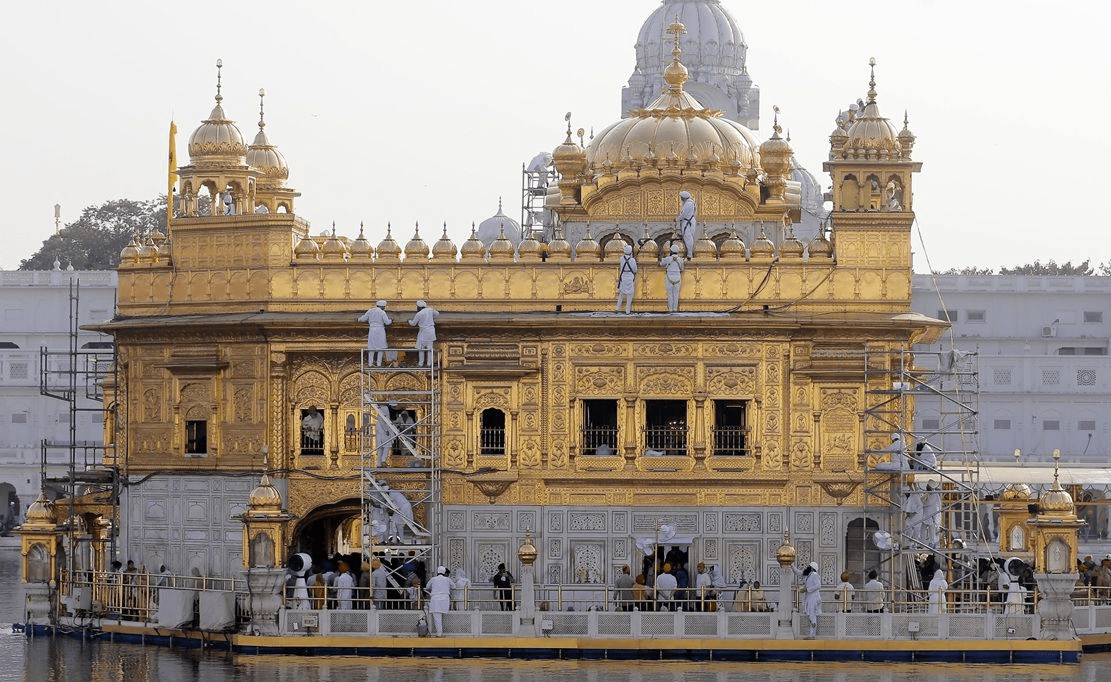
The proposal focuses on three significant locations—Anandpur Sahib, Damdama Sahib, and the Galiara precinct surrounding the Golden Temple—all of which hold deep historical and religious importance in Sikhism.
Urban planning experts have stressed that these cities, closely associated with the 350th martyrdom anniversary of Guru Tegh Bahadur, require more than symbolic measures or regulatory restrictions. Instead, they advocate for a forward-looking regional development framework under the Punjab Regional and Town Planning and Development Act, 1995.
According to the planners, such a framework should integrate infrastructure expansion, heritage preservation, tourism development, and employment generation. They argue that without a coordinated vision, isolated improvements risk failing to deliver long-term benefits.
The experts noted that past initiatives have already demonstrated the potential of planned interventions. In Amritsar, the area around the Golden Temple has undergone significant beautification and urban renewal. Similarly, Anandpur Sahib witnessed major development projects during the 300th anniversary of the Khalsa in 1999, including the construction of the iconic Virasat-e-Khalsa and improved connectivity between key धार्मिक sites.
However, planners believe that the next phase of development must go beyond beautification. They have recommended the creation of “plug-and-play” industrial and commercial zones in the broader region to generate employment opportunities, particularly for Punjab’s youth. At the same time, they emphasise the need to upgrade tourism infrastructure to international standards, ensuring that visitors can engage with these sacred spaces in a meaningful and sustainable way.
Environmental considerations have also been highlighted, especially in the eco-sensitive Doon valley surrounding Anandpur Sahib. Experts insist that any expansion must be backed by robust land-use policies and governance mechanisms to protect the region’s natural and cultural heritage.
In addition, the group has proposed inter-state collaboration between Punjab and Himachal Pradesh to revive historically significant sites such as Guru Ka Lahore, believed to have been developed by Guru Gobind Singh as a model township. The restoration of this site, along with the nearby Naina Devi Temple, could further strengthen the region’s cultural and pilgrimage circuits.
While welcoming recent symbolic initiatives, including plans for a university in Anandpur Sahib commemorating Guru Tegh Bahadur, the planners caution that enduring transformation will require sustained policy commitment, technical planning, and coordinated governance.
They conclude that with the right vision, Punjab’s sacred cities can evolve into global spiritual hubs—offering not only religious significance but also economic vitality and cultural richness for generations to come.