


AI Generated Summary
- Nestled on the outskirts of Amritsar in the Attari Assembly segment, the village of Pandori Waraich continues to preserve a deep-rooted connection to Sikh history through its association with Bhai Salo Ji, a revered Sikh devotee known for his unwavering service during the era of Guru Ram Dass, Guru Arjan Dev and Guru Hargobind Sahib.
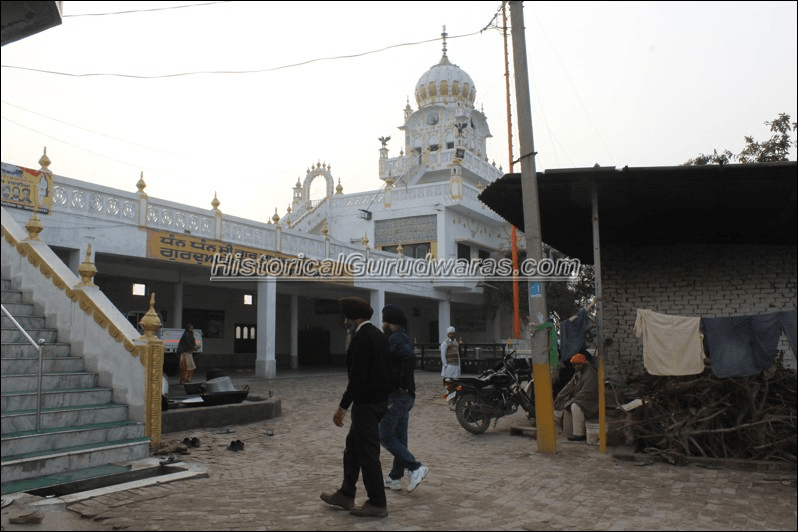
- Near an ancient beri tree in the village, a Gurdwara commemorates the spot where Bhai Salo is believed to have rested while gathering fuel for the kiln work required during the strengthening of the holy pool surrounding the Golden Temple.
- The village today stands as a symbol of faith and selfless service, drawing devotees who remember Bhai Salo’s contribution to the construction of the sacred sarovar at Sri Harmandir Sahib.
Nestled on the outskirts of Amritsar in the Attari Assembly segment, the village of Pandori Waraich continues to preserve a deep-rooted connection to Sikh history through its association with Bhai Salo Ji, a revered Sikh devotee known for his unwavering service during the era of Guru Ram Dass, Guru Arjan Dev and Guru Hargobind Sahib.
The village today stands as a symbol of faith and selfless service, drawing devotees who remember Bhai Salo’s contribution to the construction of the sacred sarovar at Sri Harmandir Sahib. Near an ancient beri tree in the village, a Gurdwara commemorates the spot where Bhai Salo is believed to have rested while gathering fuel for the kiln work required during the strengthening of the holy pool surrounding the Golden Temple.
Every year, during October and November, the shrine becomes the centre of a large religious gathering. Thousands of devotees from different parts of Punjab participate in the annual fair, where community members organise free langar and religious programmes. According to Baba Mohan Singh, chief manager of the Gurdwara, the event reflects the enduring spirit of sewa that Bhai Salo embodied centuries ago.
Historical accounts trace Bhai Salo’s birth to Daula Kingra village in present-day Muktsar Sahib district in 1554. Belonging to a Dhaliwal Jatt family, he later moved with his family to the Majitha area near Amritsar. Despite the move, he remained devoted to the Sikh Gurus and dedicated much of his life to meditation and service at Guru Ka Chak, the original settlement that later became Amritsar.
During the excavation and construction work of the sarovar at Darbar Sahib, workers reportedly faced an acute shortage of fuel needed for kiln operations. Bhai Salo then travelled across nearby villages, including Pandori Waraich, appealing to residents to contribute firewood and dried dung cakes for the sacred undertaking.
Local oral traditions recount that Bhai Salo encouraged villagers by telling them that families who contributed to the Guru’s work would receive divine blessings in the form of children. Inspired by faith and devotion, residents collected substantial quantities of fuel, which were transported to Amritsar to aid the construction effort.
Sikh tradition further holds that Guru Arjan Dev, pleased with the dedication shown by Bhai Salo and the villagers, blessed a small pond associated with him near the Golden Temple. The site, known today as Gurdwara Toba Bhai Salo, continues to attract devotees, especially childless couples and families seeking blessings for the well-being of their children.
For the residents of Pandori Waraich, the village’s connection to this chapter of Sikh history remains a source of immense pride. Locals say their ancestors’ contribution to the construction of the Guru’s sarovar represents not only a historic event but also a lasting example of humility, faith and collective service in Sikh tradition.