


AI Generated Summary
- A woman from the settler community reportedly invited her brother to live in the area, leading people to refer to it as “Veer Wali” (the place of a brother).
- Three residents—Havildar Mihan Singh of the 93rd Burma Infantry, Sepoy Gurcharan Singh of the 14th Punjab Regiment and Havildar Niranjan Singh of the same regiment—served in the war, adding another chapter to Varpal’s martial tradition.
- Today, the shrine is maintained by the Kar Sewa sect of Qila Anandgarh Sahib and remains a focal point of devotion for visitors and residents alike.
Nestled in the heart of Punjab, Varpal village stands apart for a distinction few places in the world can claim. Spread across its landscape are nearly 45 gurdwaras, each commemorating Sikh warriors who attained martyrdom in one of the most significant battles fought against invading Afghan forces in the 18th century.
The village’s remarkable spiritual heritage is rooted in the turbulent events of 1757, when Afghan ruler Ahmad Shah Abdali marched towards Sri Harmandir Sahib (Golden Temple) after suffering setbacks against Sikh forces. In response, a band of Sikh warriors led by the revered Baba Deep Singh advanced to confront the invading army.
The two sides eventually clashed near the present-day boundary shared by Varpal, Gohalwar and Chabba villages. Historical accounts describe a fierce and bloody battle in which hundreds of Sikhs laid down their lives while resisting the Afghan advance.
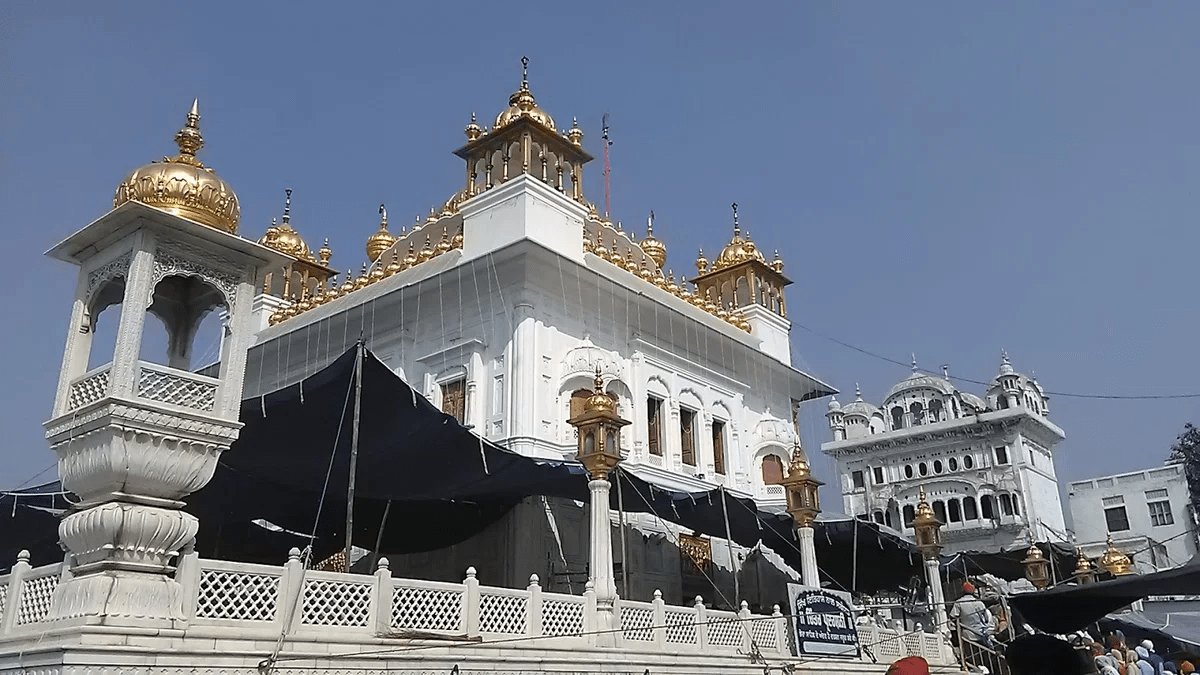
Over time, memorial shrines and gurdwaras were established across Varpal to honour these martyrs. Among them, Gurdwara Bachauna Sahib occupies a special place. It is believed to be the site where the last rites of many fallen Sikh warriors were performed. Today, the shrine is maintained by the Kar Sewa sect of Qila Anandgarh Sahib and remains a focal point of devotion for visitors and residents alike.
Several other gurdwaras dedicated to individual martyrs dot the village landscape, transforming Varpal into a living repository of Sikh history and remembrance. Annual religious gatherings and fairs held in honour of the martyrs continue to attract devotees from across the region.
Varpal’s association with sacrifice extends beyond the 18th century. The village also played a role in the historic Jaito Morcha of 1924. Following prayers at the Akal Takht, one of the earliest jathas of 500 Sikhs left to participate in the agitation. The group was led by Udham Singh, a resident of Varpal, who later made the ultimate sacrifice during the movement.
The village’s contribution to military service continued during the Second World War. Three residents—Havildar Mihan Singh of the 93rd Burma Infantry, Sepoy Gurcharan Singh of the 14th Punjab Regiment and Havildar Niranjan Singh of the same regiment—served in the war, adding another chapter to Varpal’s martial tradition.
The scars of more recent history are also evident. During Operation Bluestar in 1984, eleven villagers lost their lives, while several others were detained and imprisoned in Jodhpur.
Beyond its historical significance, Varpal is a thriving agrarian settlement with approximately 4,000 acres of land. Every year, large religious fairs, or Jor Melas, are organised to commemorate the sacrifices of Sikh martyrs, reinforcing the village’s deep connection to its past.
Local folklore offers an intriguing explanation for the village’s name. According to residents, some of the earliest settlers migrated from Dhudike in Moga district, the ancestral village of freedom fighter Lala Lajpat Rai. A woman from the settler community reportedly invited her brother to live in the area, leading people to refer to it as “Veer Wali” (the place of a brother). Over time, the name is said to have evolved into “Varpal”.
The village’s legacy also extends across borders. Families who migrated to Pakistan during the Partition of 1947 reportedly named their new settlement Varpal, preserving a connection to the homeland they left behind.
Today, Varpal remains more than just a village. With its extraordinary concentration of gurdwaras and centuries-long tradition of sacrifice, service and remembrance, it stands as a unique symbol of Sikh heritage and resilience.