


AI Generated Summary
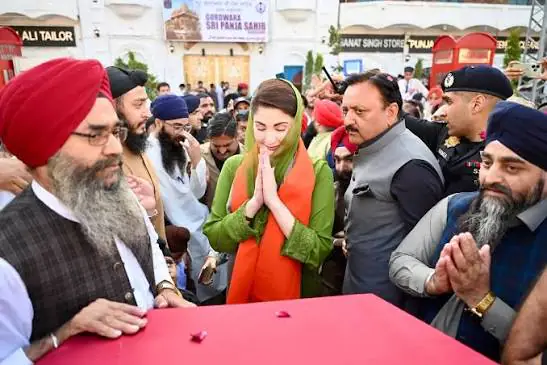
- Reports indicated that Maryam Nawaz remained at the main entrance of Gurdwara Panja Sahib for an extended period during an inauguration ceremony, held Sikh children in her arms and publicly displayed gestures of sympathy towards the Sikh community, but did not consider it appropriate to enter the gurdwara and pay obeisance.
- On one hand, Pakistan invites Sikhs from across the world to visit the historic land of the Sikh Gurus, organises welcome ceremonies at Kartarpur Sahib, announces initiatives to preserve Sikh heritage and presents an image of religious tolerance in the international media.
- Serious questions continue to be raised within the same country about the safety of Sikhs, the rights of Sikh girls, the deteriorating condition of historic gurdwaras and encroachments on religious properties.
There is no need for an elaborate analysis to understand the truth behind the claims of sympathy and support for Sikhs made by the Pakistani government and its political leadership. The visible gap between their political statements and the ground reality speaks volumes. On one hand, Pakistan invites Sikhs from across the world to visit the historic land of the Sikh Gurus, organises welcome ceremonies at Kartarpur Sahib, announces initiatives to preserve Sikh heritage and presents an image of religious tolerance in the international media. On the other hand, serious questions continue to be raised within the same country about the safety of Sikhs, the rights of Sikh girls, the deteriorating condition of historic gurdwaras and encroachments on religious properties. What kind of sympathy is this, which is prominently displayed in front of cameras but comes under scrutiny as soon as it is tested on the ground?
Maryam Nawaz, the Chief Minister of Pakistan’s Punjab province, is also an important part of this political narrative. At times, messages of Punjabi brotherhood are conveyed through the welcoming of Sikh pilgrims; at other times, references are made to the teachings of Guru Nanak Dev Ji to promote religious harmony. But the question is: Can organising welcome ceremonies and posing for photographs with Sikhs alone be considered proof of respect? The government’s conduct towards Sikh religious traditions, the sanctity of gurdwaras and the rights of religious institutions is equally important.
Questions have also been raised over the recent developments concerning Gurdwara Panja Sahib, particularly regarding the Chief Minister’s reported departure without paying obeisance inside the shrine. Reports indicated that Maryam Nawaz remained at the main entrance of Gurdwara Panja Sahib for an extended period during an inauguration ceremony, held Sikh children in her arms and publicly displayed gestures of sympathy towards the Sikh community, but did not consider it appropriate to enter the gurdwara and pay obeisance. While it would not be appropriate to comment on anyone’s personal faith, questioning the conduct of political leaders at religious places is a legitimate right of the public.
The test of Pakistan’s claimed religious tolerance also came when reports emerged in June 2026 that the approximately 125-year-old Gurdwara Sri Guru Singh Sabha in Farooqabad, Punjab province, had been demolished by a local businessman. What was particularly disturbing was the allegation that the gurdwara had been damaged without the necessary permission, and that the matter came into the spotlight only after local Sikhs raised their objections.
The safety of Sikh girls is another serious challenge facing Pakistan. Concerns have repeatedly been raised at the international level over alleged cases involving the abduction and forced conversion of girls belonging to minority communities, as well as complaints made by their families. Mere assurances of an investigation are not enough in such cases. Victims’ families must receive protection, impartial legal action must be taken and justice must be delivered. A country where minority families remain concerned about the safety of their daughters cannot build trust merely through the promotion of religious tourism.
The condition of historic gurdwaras also raises questions about the claims made by the Pakistani government. Announcements regarding the renovation of more than 50 gurdwaras and plans to beautify Gurdwara Kyara Sahib in Nankana Sahib may be welcome steps. However, will the government not take responsibility for the neglect, dilapidation and encroachments affecting other historic gurdwaras? Respect for religious heritage must not be restricted to a select few sites.
Pakistan must understand that the Sikh community cannot be misled by political statements, welcome ceremonies and attractive announcements. Sikhs do not need anyone’s favour to visit the land of their Gurus. They need guarantees of their religious rights, protection of their historic heritage and the assurance that they will be treated with dignity.
If the government is genuinely committed to the welfare of Sikhs, it must first ensure the safety of those living in its own country, deliver justice to their daughters and protect every historic gurdwara from encroachment and neglect. The faith of Sikhs must not be used as an instrument to generate international headlines.
Respect for the land of the Sikh Gurus cannot be established through speeches. It must be demonstrated by protecting the rights of the Sikhs living there and preserving the sanctity of their gurdwaras. The Pakistani government must now answer a fundamental question: Is its sympathy towards Sikhs merely a show for the world, or is it genuinely reflected in its governance and policies?