


AI Generated Summary
- The recent statement issued by Babbar Khalsa International (BKI) once again demonstrates that the real objective of pro-Khalistan groups is not the protection of Sikh rights, but the perpetuation of separatist and violent politics.
- This clearly indicates that the Khalistan movement is not a unified ideology but rather a collection of competing factions engaged in a struggle for influence and leadership.
- The need of the hour is not another conflict, but the ability to identify and remain vigilant against forces that seek to divide Sikh society.
The events of June 1984 remain one of the most painful chapters in Sikh history. The tragedy of that period affected thousands of families, and the emotions associated with it continue to live in the hearts of Sikhs even today. However, it is unfortunate that some pro-Khalistan organizations continue to exploit those events to provoke youth, spread hatred in society, and advance their own political agendas.
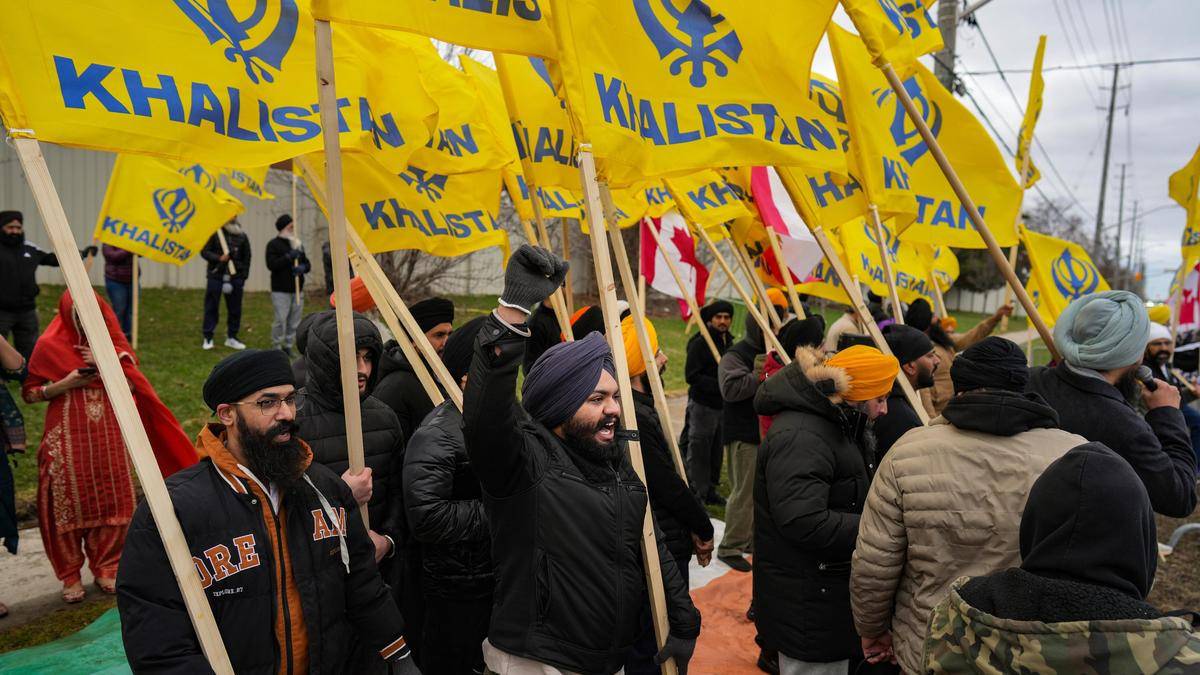
The recent statement issued by Babbar Khalsa International (BKI) once again demonstrates that the real objective of pro-Khalistan groups is not the protection of Sikh rights, but the perpetuation of separatist and violent politics. The statement not only contained anti-India rhetoric but also openly claimed that Khalistan can only be achieved through armed struggle. Such an ideology is not only contrary to democratic values and the rule of law, but also goes against the fundamental teachings of Sikhism.
Most importantly, the statement exposed the deep divisions that exist within the pro-Khalistan camp itself. On one side are organizations advocating electoral politics, referendums, and political campaigns, while on the other are groups like BKI that reject these methods and insist that violence is the only path forward. This clearly indicates that the Khalistan movement is not a unified ideology but rather a collection of competing factions engaged in a struggle for influence and leadership.
Ironically, the very organizations that have failed to determine a realistic path to achieving their own objectives continue to sell dreams to Sikh youth. There is no clear roadmap, no economic plan, no administrative framework, and no meaningful international support. What remains are emotional speeches, the exploitation of historical pain, and attempts to push young people toward extremist thinking.
Sikh history is a history of sacrifice, service, justice, and the welfare of humanity. From Guru Nanak Dev Ji to Guru Gobind Singh Ji, the Sikh Gurus stood firmly against injustice, but they never endorsed violence, terrorism, or hatred against innocent people. The principle of “Sarbat Da Bhala” advocates the welfare of all humanity, not division and conflict within society.
Today, Sikhs around the world are respected for their hard work, honesty, and spirit of service. In countries such as Canada, the United Kingdom, the United States, Australia, and India, the Sikh community has made remarkable contributions in education, business, the armed forces, politics, and social service. However, when extremist groups promote violence and separatism, the entire Sikh community is forced to bear the damage to its reputation.
Perhaps the most concerning aspect is that some individuals sitting abroad attempt to influence Punjab’s youth through emotional slogans and provocative campaigns while living safely and comfortably themselves. History has repeatedly shown that the path of violence leads only to destruction, bloodshed, and social instability. The greatest burden of such conflicts is ultimately borne by ordinary Sikh families.
The Sikh community must recognize that its real challenges are education, employment, drug abuse, agricultural distress, social reform, and youth empowerment. The solution to these issues lies not in separatism, but in democratic participation, social unity, and constructive leadership.
The true tribute to the martyrs and victims of June 1984 would be to ensure that their suffering is not exploited for political purposes. History should be remembered, justice should be sought, but future generations should not be pushed into the fires of hatred and violence.
The Khalistan agenda is not the solution to the future of Sikhs. The real solution lies in following the core principles of Sikhism, upholding democratic values, strengthening social harmony, and serving humanity. The need of the hour is not another conflict, but the ability to identify and remain vigilant against forces that seek to divide Sikh society.