


AI Generated Summary
- A significant role in this development was played by the Delhi Sikh Gurdwara Management Committee, whose leaders, including President Harmeet Singh Kalka, General Secretary Jagdeep Singh Kahlo, and particularly Paramjit Singh Chandok, had consistently urged the Pakistan Gurdwara Committee and the Pakistani government to observe the martyrdom anniversary on the same date as the rest of the Sikh world.
- Sikh leaders and social organizations in Pakistan have clearly stated that the use of Sikh attire, turbans, and identities by non-Sikhs for personal fame or to advance political and religious agendas is an insult to the entire Sikh community.
- For the past 13 years, the martyrdom anniversary of the fifth Sikh Guru, Guru Arjan Dev Ji, had been observed on dates different from those followed by the rest of the Sikh world.
On one hand, Pakistan has sought to project a liberal and accommodating policy toward the Sikh community by addressing Sikh concerns and regularly inviting Sikh pilgrims to visit their religious shrines. For the past 13 years, the martyrdom anniversary of the fifth Sikh Guru, Guru Arjan Dev Ji, had been observed on dates different from those followed by the rest of the Sikh world. However, this year Pakistan announced that the occasion would be commemorated on June 18, in unison with Sikhs across the globe. This move appears to be an attempt to convey the message that Pakistan respects Sikh sentiments. A significant role in this development was played by the Delhi Sikh Gurdwara Management Committee, whose leaders, including President Harmeet Singh Kalka, General Secretary Jagdeep Singh Kahlo, and particularly Paramjit Singh Chandok, had consistently urged the Pakistan Gurdwara Committee and the Pakistani government to observe the martyrdom anniversary on the same date as the rest of the Sikh world.
At the same time, however, Pakistan has long been accused of incorporating anti-India propaganda and psychological warfare into its foreign policy. Whether through terrorism, social media campaigns, or the exploitation of religious sentiments, attempts have repeatedly been made to promote false narratives against India. Recent reports suggest a deeply troubling development that not only targets India but also directly undermines the religious identity and dignity of the Sikh community.
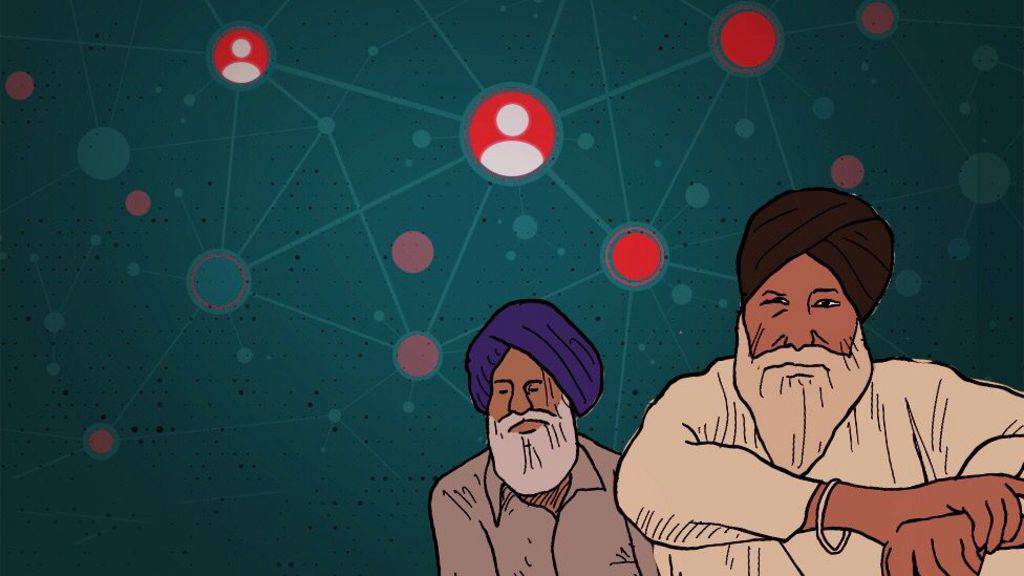
According to these reports, elements allegedly linked to Pakistan’s intelligence agency, the ISI, have been using Muslim and Christian youths to pose as Sikhs and spread anti-India content targeting India, the Indian Army, Indian media, and the country’s social fabric. Fake Sikh identities are reportedly being created on social media platforms to circulate videos and content aimed at creating the impression that the Sikh community stands against India. This appears to be more than mere misinformation; it seems to be a well-planned attempt to manipulate public perception.
One example frequently cited is that of Kashif Ali Ashiq, also known as Kashif Ranjha, from Lahore, who allegedly operated a fake social media account under the name “Sardar SKP.” Through this identity, numerous anti-India videos were reportedly circulated. Similarly, a person named Sardar Muhammad Bilawal is accused of adopting a Sikh appearance and operating social media platforms under the name “Sidhu 39 Wala.” These activities have reportedly drawn strong objections from members of Pakistan’s Sikh community.
Perhaps the most significant aspect of this issue is that it has been raised by the Sikh community within Pakistan itself. Sikh leaders and social organizations in Pakistan have clearly stated that the use of Sikh attire, turbans, and identities by non-Sikhs for personal fame or to advance political and religious agendas is an insult to the entire Sikh community. The opposition to these activities has not come from another country but from Pakistani Sikhs themselves, which underscores the seriousness of the matter.
If these allegations are accurate, they represent not only a disinformation campaign against India but also an exploitation of Sikh religious identity for political purposes. Such actions risk damaging communal harmony, misrepresenting the views of the Sikh community, and undermining the credibility of genuine Sikh voices both within Pakistan and around the world.