


AI Generated Summary
- From the opening of the Kartarpur Corridor to the preservation of various gurdwaras, Pakistan has consistently attempted to convey to the international community that it respects religious freedom and safeguards the rights of minorities.
- A striking example emerged during the martyrdom anniversary of the fifth Sikh Guru, Sri Guru Arjan Dev Ji, when pilgrims who had arrived for religious observances were reportedly taken on buses under the pretext of a city tour and instead left at a Sufi music event.
- The mindset that glorifies the killing of innocent people is not only a crime against humanity but also a betrayal of the core principles of faith itself.
For a long time, Pakistan has sought to project itself as a protector of Sikhs and other religious minorities. From the opening of the Kartarpur Corridor to the preservation of various gurdwaras, Pakistan has consistently attempted to convey to the international community that it respects religious freedom and safeguards the rights of minorities. However, the ground reality often raises serious questions about these claims.
On the one hand, Pakistan invites Sikh devotees from around the world to visit historic gurdwaras located within its borders, portraying itself as respectful of Sikh sentiments. On the other hand, it has repeatedly failed to uphold the sanctity of that faith and trust. A striking example emerged during the martyrdom anniversary of the fifth Sikh Guru, Sri Guru Arjan Dev Ji, when pilgrims who had arrived for religious observances were reportedly taken on buses under the pretext of a city tour and instead left at a Sufi music event.
The incident deeply hurt the sentiments of Sikhs across the world. It is difficult to ignore the possibility that such an episode may have involved elements within the Pakistani administration or intelligence apparatus. Notably, representatives of the Delhi Sikh Gurdwara Management Committee and the Shiromani Gurdwara Parbandhak Committee reportedly did not fall prey to this arrangement.
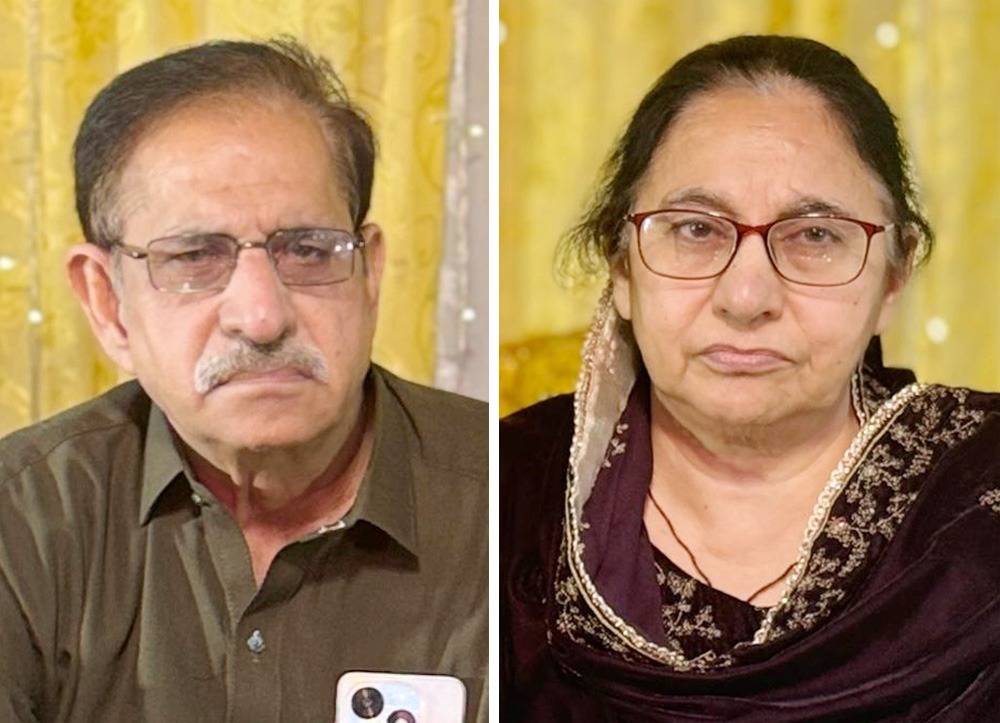
Meanwhile, the brutal murder of elderly caretaker couple Jagan Nath and Ashawanti at Panchayati Gurdwara Singh Sabha in Mardan, Khyber Pakhtunkhwa, has once again raised serious concerns about the safety and security of minorities in Pakistan.
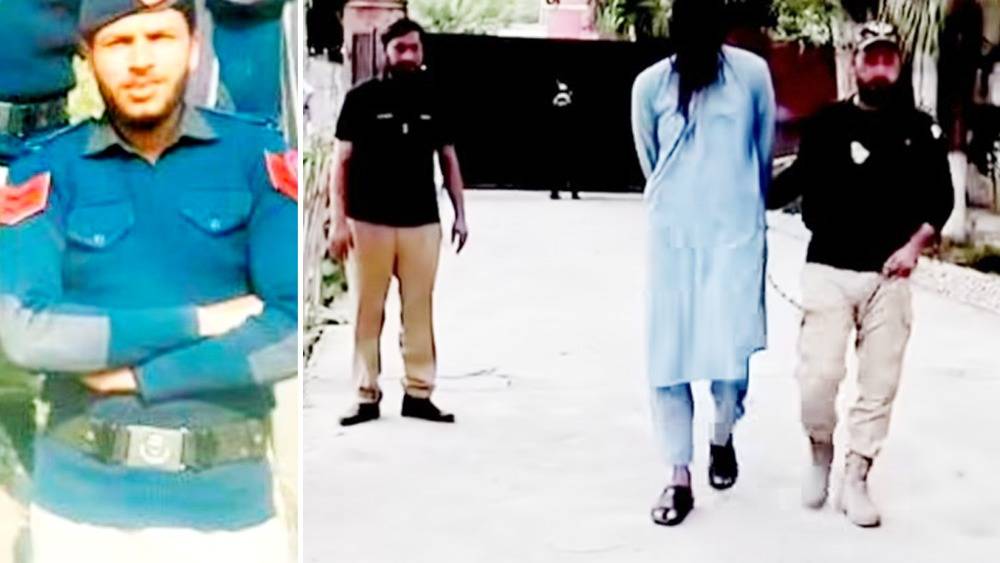
The most disturbing aspect of the case is the allegation that the arrested suspect, Sher Shah, claimed he committed the crime to “earn paradise.” If these reports are accurate, this is not merely a criminal act but a disturbing reflection of extremist thinking that seeks to justify hatred and violence through religious narratives.
It is important to recognize that no religion condones the killing of innocent people. Islam, like all major faiths of the world, advocates humanity, compassion, justice, and peace. Therefore, attempts by any individual or group to associate violence with spiritual reward represent not religion itself, but a distorted and extremist interpretation of it.
The mindset that glorifies the killing of innocent people is not only a crime against humanity but also a betrayal of the core principles of faith itself.
While Pakistan invites Sikhs from around the world to visit its historic gurdwaras, recurring concerns regarding excessive monitoring of pilgrims, restrictions on movement, and the organization of controversial cultural events continue to raise questions. Such incidents, marked by a lack of transparency and sensitivity toward religious sentiments, undermine trust between communities and nations.
Pakistan’s challenge extends far beyond restoring gurdwaras or issuing visas to foreign pilgrims. The real test lies in whether religious minorities living within the country feel safe, equal, and able to exercise their rights without fear.
If even the caretakers of religious sites cannot feel secure, the situation should concern any civilized society.
Today, there is an urgent need for the Government of Pakistan to conduct an impartial and transparent investigation into these incidents, ensure strict punishment for those responsible, and take concrete measures to protect religious minorities.
At the same time, effective legal and social action against extremist ideologies is essential. Mere statements about harmony and religious freedom on international platforms are not enough; these values must be reflected in reality.
The tragedy in Mardan is not merely the murder of two innocent people. It symbolizes a larger question that Pakistan must answer—not only to the world but also to its own minority citizens.
Does Pakistan genuinely wish to move toward religious tolerance and pluralism, or will it continue to allow extremist elements to weaken the social fabric of the nation?
