


AI Generated Summary
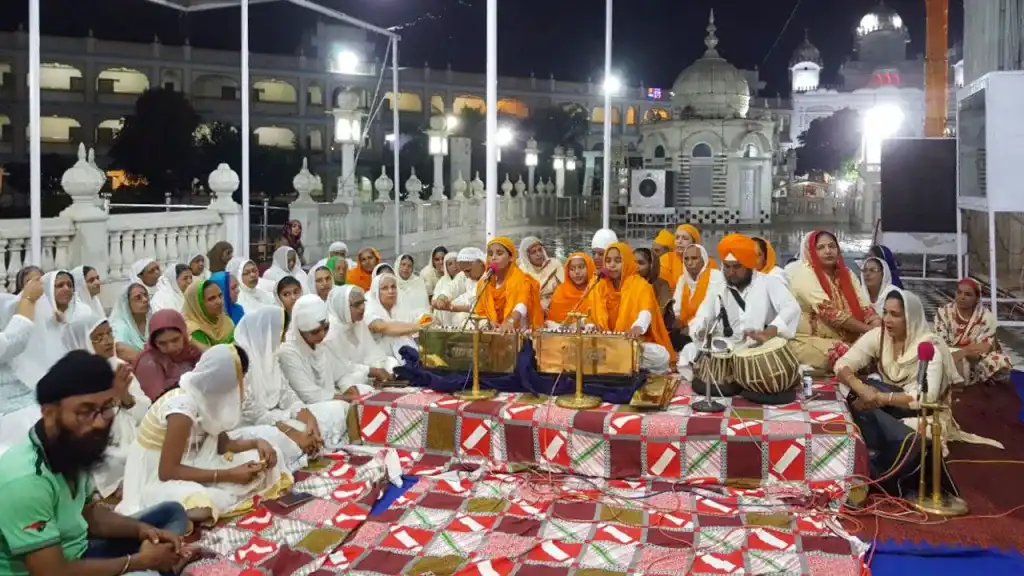
- Marking the eve of the auspicious occasion, a special Shabad Kirtan was organised at Lok Niwas in New Delhi, bringing together Sikh saints, religious scholars, devotees and members of society in an atmosphere of devotion and spiritual reflection.
- As the Parkash Purab celebrations conclude, the message conveyed through Gurbani remains an enduring reminder that true devotion finds its ultimate expression not merely in religious observance, but in truthful living, compassion towards others and an unwavering commitment to the collective well-being of humanity.
- Far beyond a musical expression of devotion, it serves as a medium for contemplating divine wisdom, attaining inner peace and developing a deeper understanding of life through the sacred verses of the Sri Guru Granth Sahib Ji.
The 557th Parkash Purab of Sri Guru Nanak Dev Ji, celebrated on November 24, brought renewed focus to the enduring spiritual legacy of the founder of Sikhism. Marking the eve of the auspicious occasion, a special Shabad Kirtan was organised at Lok Niwas in New Delhi, bringing together Sikh saints, religious scholars, devotees and members of society in an atmosphere of devotion and spiritual reflection.
The religious congregation celebrated the teachings of Guru Nanak Dev Ji through the sacred tradition of Gurbani Kirtan, reaffirming the values of compassion, equality, selfless service and universal brotherhood.
Shabad Kirtan occupies a central place in Sikh spiritual practices. Far beyond a musical expression of devotion, it serves as a medium for contemplating divine wisdom, attaining inner peace and developing a deeper understanding of life through the sacred verses of the Sri Guru Granth Sahib Ji.
The tradition traces its roots to Guru Nanak Dev Ji himself, who travelled extensively with Bhai Mardana, communicating profound spiritual truths through music and poetry. Their journeys laid the foundation of a devotional tradition that transcended geographical, linguistic and social boundaries.
At the heart of Guru Nanak Dev Ji’s philosophy are three fundamental principles: Kirat Karo, earning an honest livelihood; Vand Chhako, sharing one's earnings and resources with others; and Naam Japo, remembering the Divine. Together, these principles provide a framework for harmonising spiritual consciousness with everyday responsibilities.
The celebrations also carried particular historical significance against the backdrop of commemorations honouring the 350th martyrdom anniversary of Sri Guru Tegh Bahadur Ji, whose supreme sacrifice remains a powerful symbol of religious freedom, human dignity and the protection of individual conscience.
In a world increasingly confronted by conflict, intolerance and social fragmentation, the Sikh concept of Sarbat Da Bhala, which calls for the welfare of all humanity, assumes renewed relevance. It encourages individuals to look beyond divisions of religion, caste, nationality and social status and recognise the fundamental oneness of human existence.
The institutions of Sangat, Seva and Langar continue to embody these ideals, translating spiritual philosophy into tangible acts of social responsibility. Gurdwaras and community organisations also play an important role in nurturing younger generations through moral education, collective service and cultural engagement.
As the Parkash Purab celebrations conclude, the message conveyed through Gurbani remains an enduring reminder that true devotion finds its ultimate expression not merely in religious observance, but in truthful living, compassion towards others and an unwavering commitment to the collective well-being of humanity.