


AI Generated Summary
- According to PAU scientists, standardisation of the process is important because it provides entrepreneurs with a scientific protocol for maintaining product quality and safety, two factors that will be crucial if mead is to develop into a larger commercial category in India.
- PAU is facilitating commercialisation of the technology through its Directorate of Research, providing a route for interested beekeepers and entrepreneurs to take the innovation from the laboratory to the marketplace.
- The technology could be particularly useful in cushioning beekeepers against fluctuations in raw honey prices by allowing them to diversify beyond the sale of honey as a primary commodity.
Punjab Agricultural University (PAU) has developed a standardised fermentation technology for producing mead from honey, potentially opening a new revenue stream for beekeepers while addressing the problem of surplus and lower-grade honey.
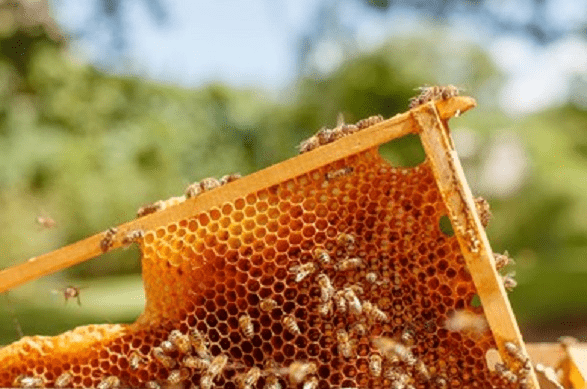
Developed as a value-addition initiative for the apiculture sector, the technology enables honey that may otherwise fetch poor prices or suffer post-harvest losses to be converted into a commercially viable craft beverage.
Mead is an undistilled alcoholic beverage traditionally prepared by fermenting honey and water with yeast. Considered among the oldest fermented drinks in the world, it has witnessed renewed interest internationally with the growth of the craft beverage industry. PAU’s intervention seeks to adapt the traditional product to standardised production practices suitable for commercial use.
The development assumes significance for India, which is the world’s sixth-largest producer of honey and accounts for nearly 3.5 per cent of global production. Despite the scale of production, beekeepers can face difficulties in obtaining remunerative prices for their produce, particularly when there is surplus honey or the material does not meet the specifications required for premium retail markets.
Raw honey is also hygroscopic and readily absorbs moisture from its surroundings. Improper storage and handling can consequently affect its quality and result in spoilage and financial losses.
The PAU technology provides an alternative use for such honey through a controlled fermentation process. Mead also retains several constituents associated with honey, including bioactive compounds, antioxidants and minerals.
Commercial meads generally contain between 8 and 14 per cent alcohol and can be produced in dry, semi-sweet and sweet varieties, allowing manufacturers to cater to different consumer preferences.
PAU’s standardised process consists of three broad stages. Raw honey is first pre-treated to remove impurities. This is followed by preparation of the fermentation medium and controlled ethanolic fermentation using selected yeast cultures. The fermented beverage is subsequently clarified and matured to improve its flavour, stability and overall quality.
Under the process developed by the university, the beverage reaches an alcohol concentration of around 8.6 per cent within eight to nine days of fermentation. The maturation stage subsequently helps develop greater flavour complexity while improving product stability.
According to PAU scientists, standardisation of the process is important because it provides entrepreneurs with a scientific protocol for maintaining product quality and safety, two factors that will be crucial if mead is to develop into a larger commercial category in India.
“This technology demonstrates how surplus and rejected honey can be converted into a profitable product. Mead not only reduces post-harvest losses but also opens new entrepreneurial avenues for rural communities,” said Dr Keshani, Extension Scientist (Microbiology), Department of Microbiology, PAU.
The technology could be particularly useful in cushioning beekeepers against fluctuations in raw honey prices by allowing them to diversify beyond the sale of honey as a primary commodity.
“Beekeepers often face fluctuating prices for raw honey. By adopting mead production, they can stabilise incomes, diversify product lines, and access premium domestic and export markets. It is a sustainable solution for the apiculture sector,” said Dr Gurvinder Singh Kocher, Principal Microbiologist at PAU.
The development also comes at a time when craft beverages are attracting increasing consumer attention. A commercially standardised honey-based beverage could therefore create opportunities not only for established honey producers but also for rural enterprises, food-processing businesses and entrepreneurs looking to enter the value-added agricultural sector.
Punjab, with its established agricultural infrastructure and apiculture activity, could potentially become an important centre for the emerging segment. Instead of limiting returns to the sale of raw honey, processing it into higher-value products could allow producers to capture a greater share of the final consumer price.
PAU is facilitating commercialisation of the technology through its Directorate of Research, providing a route for interested beekeepers and entrepreneurs to take the innovation from the laboratory to the marketplace.
Beyond creating an additional market for honey, scientists believe the initiative could contribute to rural employment and encourage agro-based entrepreneurship by linking agricultural production with food and beverage processing.
“By blending science with tradition, Mead-Honey emerges not just as a drink, but as an opportunity for Punjab’s apiculture sector,” Dr Keshani said.