


AI Generated Summary
- Should he secure the speakership, Puri would become the first Indian American to lead a state House of Representatives in the United States, marking a new milestone for the community’s representation in American politics.
- Michigan Democratic leader Ranjeev Puri is seeking to become the first Indian-American Speaker of a state House of Representatives in the United States, with the November 3 elections potentially opening the door to a historic political milestone.
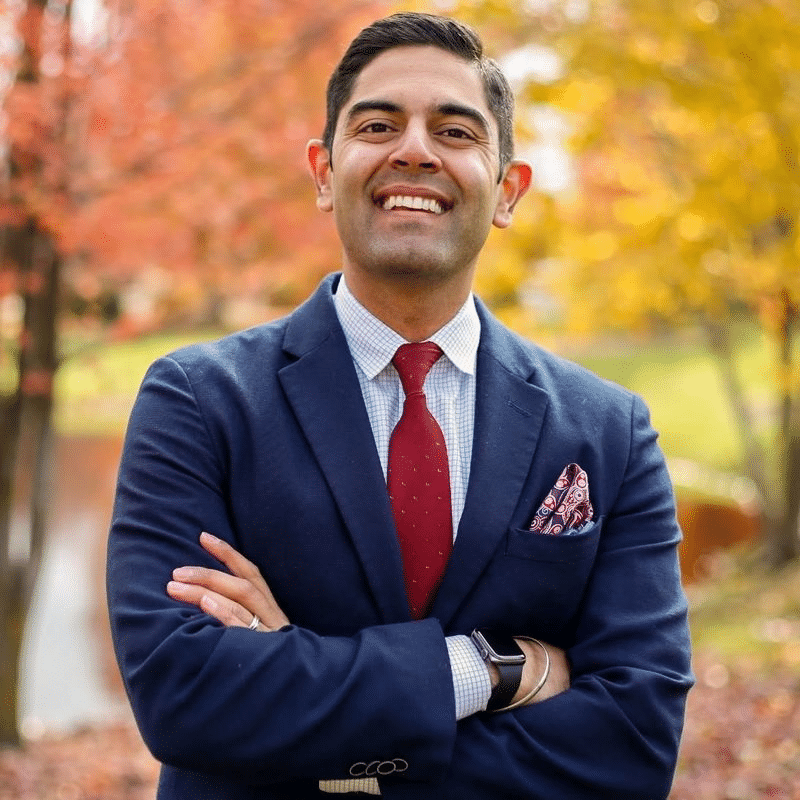
- The 42-year-old lawmaker, who made history in 2020 as the first Sikh American elected to the Michigan House of Representatives, is now at the centre of Democratic efforts to regain control of the 110-member legislative chamber.
Michigan Democratic leader Ranjeev Puri is seeking to become the first Indian-American Speaker of a state House of Representatives in the United States, with the November 3 elections potentially opening the door to a historic political milestone.
The 42-year-old lawmaker, who made history in 2020 as the first Sikh American elected to the Michigan House of Representatives, is now at the centre of Democratic efforts to regain control of the 110-member legislative chamber.
Puri currently serves as the Democratic leader in the Republican-controlled House, a position he assumed in 2025. His prospects of securing the Speaker’s chair will depend largely on whether Democrats can overturn the Republican majority in the upcoming elections.
Michigan’s political landscape is currently divided, with Democrat Gretchen Whitmer serving as Governor while Republicans control the state House under Speaker Matt Hall.
Democratic leaders have increasingly rallied behind Puri as a potential Speaker, presenting his candidacy as both an opportunity to reclaim legislative control and a significant moment for Indian-American political representation.
US Congresswoman Haley Stevens publicly endorsed the possibility of Puri making history during the election campaign.
“Michigan Dems are on the move. We are about to flip the state house and make Ranjeev Puri THE FIRST Indian American State House Speaker in the country,” Stevens said.
Stevens, who is leaving Congress after an unsuccessful campaign for the Democratic nomination to the US Senate, has been among the prominent voices supporting the party’s ambitions in Michigan.
Born to immigrants from Punjab, Puri’s political journey reflects the growing participation of Indian Americans in American public life.
His involvement in Democratic politics began well before his election to the state legislature. He worked on Barack Obama’s presidential campaigns in 2008 and 2012, gaining experience in political organising and electoral mobilisation.
Puri subsequently pursued a Master of Business Administration at the University of Chicago’s Booth School of Business. After completing his education, he returned to Michigan and built a career in the automotive industry, one of the state’s most important economic sectors.
His election to the Michigan House in 2020 marked a breakthrough for Sikh-American representation in the state. Now serving his third term, Puri has risen through the Democratic ranks to become the party’s leader in the chamber.
In the November 3 contest, Puri faces Republican candidate Allison Kay Fuller. While his own re-election is an essential step, the larger contest for control of the House will determine whether he has a realistic opportunity to seek the speakership.
The election also comes amid the increasing political visibility of Michigan’s Indian-American community.
According to the Indian American Voter Atlas, developed by Republican strategist Anang Mittal, Michigan is home to approximately 127,000 residents of Indian origin, representing 1.27 per cent of the state’s population.
Although Indian Americans constitute a relatively small share of Michigan’s population, their growing involvement in politics has contributed to broader discussions about representation and leadership within American institutions.
For Puri, the November elections could represent another significant chapter in a political career already marked by historic firsts.
A Democratic victory in the state House would not automatically guarantee him the Speaker’s position, which requires the support of fellow lawmakers. However, as the party’s current House leader, Puri would be a prominent contender for the role.
Should he secure the speakership, Puri would become the first Indian American to lead a state House of Representatives in the United States, marking a new milestone for the community’s representation in American politics.