


AI Generated Summary
- In the hills of Pakistan-Occupied Kashmir (PoK), the illusion of Pakistani benevolence is shattering under the weight of bullets and batons.
- What Islamabad calls “Azad Jammu and Kashmir” stands revealed as a colony in all but name—governed from afar, looted of resources, and silenced by the gun.
- In 2025, similar protests over inflation, resource exploitation (like the Mangla Dam and Neelum-Jhelum projects that benefit Pakistan while locals suffer), and governance failures met lethal force, leaving multiple dead in Muzaffarabad, Mirpur, and surrounding districts.
In the hills of Pakistan-Occupied Kashmir (PoK), the illusion of Pakistani benevolence is shattering under the weight of bullets and batons. Pakistani security forces have unleashed brutal force against civilians protesting decades of exploitation, political disenfranchisement, and economic neglect. What Islamabad calls “Azad Jammu and Kashmir” stands revealed as a colony in all but name—governed from afar, looted of resources, and silenced by the gun.
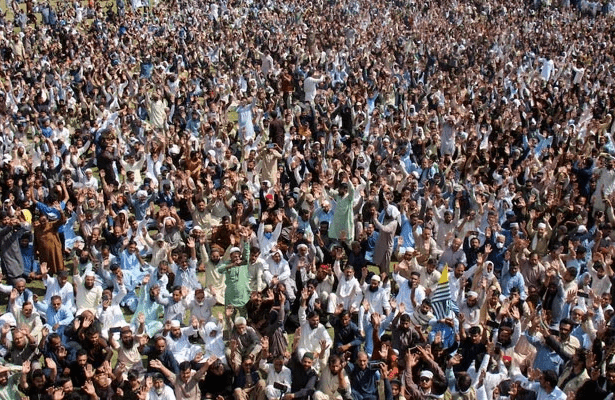
Recent days have witnessed horrifying scenes in Mirpur and beyond. Large numbers of anti-Pakistan protesters gathered in Mirpur, joining widespread demonstrations across Muzaffarabad, Rawalakot, Neelum, and other areas. Organized by platforms like the Joint Awami Action Committee (JAAC), these rallies demand an end to elite privileges, cheaper essentials like wheat and electricity, the removal of reserved seats for outsiders, and basic political rights. Instead of dialogue, Pakistani forces responded with tear gas, water cannons, live ammunition, and mass arrests. Reports indicate at least 11-12 civilians killed, over 70 injured, internet blackouts, and streets stained with blood. Protesters allege even higher casualties, with dozens detained and a communications blackout shielding the full scale of the crackdown.
This is no isolated incident. It fits a grim pattern. In 2025, similar protests over inflation, resource exploitation (like the Mangla Dam and Neelum-Jhelum projects that benefit Pakistan while locals suffer), and governance failures met lethal force, leaving multiple dead in Muzaffarabad, Mirpur, and surrounding districts. Pakistani authorities flood the region with troops from Punjab, impose curfews, and label legitimate grievances as “terrorism.” The message is clear: dissent against Islamabad’s stranglehold will be met with overwhelming violence.
The grievances are rooted in systemic betrayal. PoK’s people endure acute poverty, unemployment, and underdevelopment despite the territory’s strategic and natural wealth. Pakistan extracts resources while providing little in return. Political structures are a sham—real power rests with the Pakistani military and bureaucracy, not local representatives. Reserved seats for “refugees” dilute local voices, fueling resentment. Protesters rightly demand self-rule, accountability, and an end to the plunder. Yet Pakistan treats them as subjects, not citizens, deploying the same repressive tactics it denies using elsewhere.
This brutality undermines Pakistan’s longstanding propaganda on Kashmir. For decades, Islamabad has portrayed itself as the champion of Kashmiri rights while occupying and oppressing one part of the region. In contrast, Indian-administered Jammu and Kashmir has seen democratic elections, development initiatives, and integration efforts post-Article 370. PoK’s residents, risking their lives on the streets, are voting with their feet against Pakistani rule. Viral videos of protesters clashing with forces and even seizing riot gear symbolize a people pushed to the brink.
The international community cannot look away. Human rights organizations must document these atrocities, and democratic nations should pressure Pakistan to cease the violence, lift blackouts, and engage meaningfully. The people of PoK deserve the same freedoms and prosperity others aspire to—not colonial subjugation dressed in ideological rhetoric.
Pakistan’s actions in PoK are not about security; they are about preserving an illegitimate hold through fear. As protests swell and the death toll rises, the world sees the truth: “Azad” Kashmir is neither free nor just. True justice demands an end to this occupation and respect for the aspirations of a long-suffering people. The guns of Pakistani forces may temporarily silence the streets, but they cannot extinguish the cry for dignity and self-determination.