


AI Generated Summary
- Yet the consistent rise—hundreds of times higher per capita than the national average for a Sikh American population of roughly 500,000–700,000—points to a deeper societal problem.
- While overall hate crimes in the United States declined by about 11% in 2025 compared to the prior year, the long-term trend since 2015 remains upward, with total incidents rising roughly 88%.
- Such actions—ranging from inflammatory rhetoric to attacks on diplomatic facilities or other places of worship—only deepen public confusion, fuel suspicion, and risk alienating potential allies, ultimately harming the vast majority of law-abiding Sikh Americans who reject violence and seek peaceful integration.
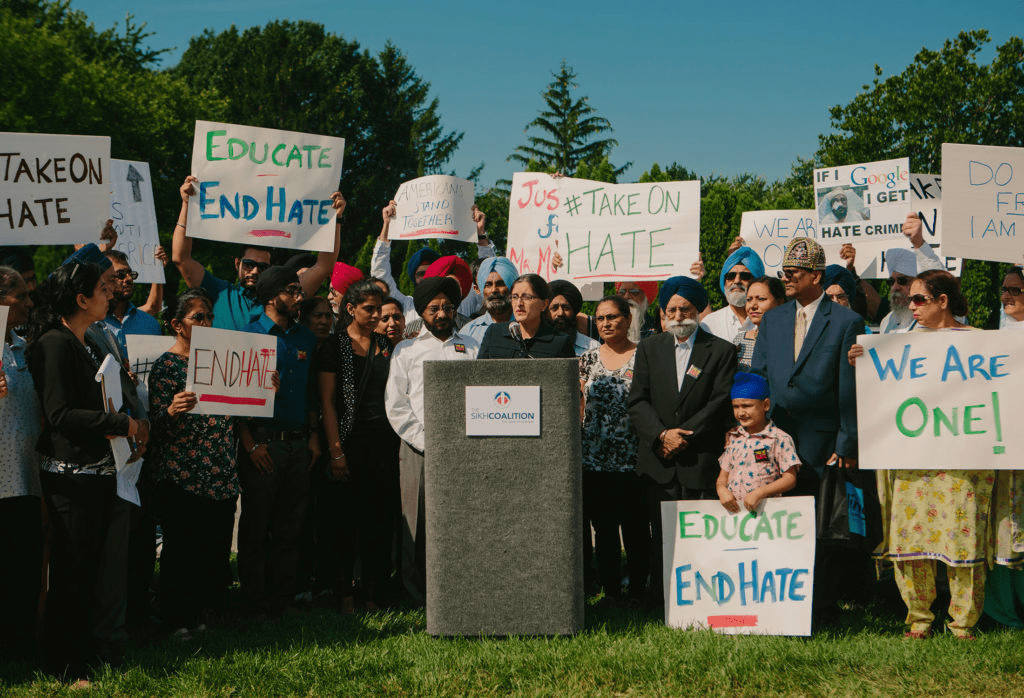
The latest preliminary FBI hate crime data, analyzed by experts and reported widely, exposes a troubling reality for Sikh Americans. Anti-Sikh incidents have exploded from just 6 reported cases in 2015—when the FBI first began tracking this bias category—to 228 in 2025. That marks a staggering roughly 3,700–3,800% increase over the decade.
While overall hate crimes in the United States declined by about 11% in 2025 compared to the prior year, the long-term trend since 2015 remains upward, with total incidents rising roughly 88%. Anti-Sikh attacks have not only kept pace but surged to record levels, placing Sikhs among the most targeted religious groups according to tracking by organizations like the Sikh Coalition.
This spike cannot be dismissed as a statistical quirk. When the FBI introduced anti-Sikh tracking after the 2012 Oak Creek gurdwara massacre in Wisconsin, baseline numbers were low due to new reporting mechanisms and limited awareness. Yet the consistent rise—hundreds of times higher per capita than the national average for a Sikh American population of roughly 500,000–700,000—points to a deeper societal problem. Incidents often include gurdwara vandalism, verbal harassment, physical assaults, and murders, frequently driven by mistaken identity. Sikh men, identifiable by their turbans and beards, are wrongly conflated with Muslims or Arabs amid lingering post-9/11 stereotypes.
The human toll is real. Families in states with significant Sikh populations—California, New York, New Jersey, and Texas—live with constant vigilance. Children endure school bullying; elders avoid visiting places of worship alone. Advocacy groups report hundreds of bias-related intakes yearly, suggesting official figures undercount the true scope due to inconsistent law enforcement participation in FBI data collection.
Root causes include economic anxieties, divisive political rhetoric, online misinformation, and ignorance that turns visible religious symbols into targets. Sikhs have built remarkable success in America as entrepreneurs, professionals, farmers, truckers, and military members, contributing quietly while upholding values of equality, service (seva), and justice.
Yet, Khalistan extremism activities and violent threats emanating from fringe elements within the community are not helping. Such actions—ranging from inflammatory rhetoric to attacks on diplomatic facilities or other places of worship—only deepen public confusion, fuel suspicion, and risk alienating potential allies, ultimately harming the vast majority of law-abiding Sikh Americans who reject violence and seek peaceful integration.
Addressing the surge demands practical steps: better police training on anti-Sikh bias, improved data collection to close reporting gaps, and public education campaigns to dispel myths about Sikh identity and faith. Bipartisan efforts for stronger anti-discrimination protections should advance. Civil society must push back against collective blame while promoting genuine pluralism.
America’s strength lies in integrating diverse faiths without erasing them. A surge of this magnitude against any group demands recommitment to that ideal. Sikhs exemplify resilience, having overcome historical persecution through hard work and compassion. Ignoring their safety while tolerating extremism that undermines it risks eroding the social fabric for all.
The FBI numbers represent real fear in gurdwaras and homes nationwide. Policymakers, faith leaders, and citizens must respond with vigilance, dialogue, education, and equal justice. Tolerance is not optional in a nation founded on liberty for all. Protecting Sikhs today upholds the promise of America for tomorrow.