


AI Generated Summary
- A sweeping regulatory change in the United States has disrupted the livelihoods of hundreds of immigrant truck drivers, with a large number believed to be Punjabi Sikhs who have long been a backbone of America’s long-haul trucking industry.
- Community groups and advocacy organisations say the impact has fallen disproportionately on Punjabi Sikh truckers, many of whom migrated to the United States over the past two decades and built stable livelihoods in freight transport.
- For now, affected drivers have been advised to consult the Indiana BMV portal or local offices to explore appeal options or determine if they qualify under the limited visa exemptions.
A sweeping regulatory change in the United States has disrupted the livelihoods of hundreds of immigrant truck drivers, with a large number believed to be Punjabi Sikhs who have long been a backbone of America’s long-haul trucking industry.
The Indiana Bureau of Motor Vehicles (BMV) has cancelled 1,790 non-domiciled Commercial Driver’s Licences (CDLs), following the implementation of a new state law that significantly tightens eligibility for foreign nationals. The move, which took effect on April 1, has left many drivers uncertain about their future in an industry already grappling with labour shortages.
New Law Narrows Eligibility
The cancellations stem from House Enrolled Act 1200, which restricts non-domiciled CDLs—issued to individuals who are not permanent US residents—to just three visa categories: H-2A (agricultural workers), H-2B (temporary non-agricultural workers), and E-2 (treaty investors).
Under the revised framework, foreign nationals outside these categories—even those who previously held valid work authorisation—no longer qualify to operate commercial vehicles in the state.
According to Gregory Dunn, communications director at the Indiana BMV, nearly all drivers holding non-domiciled CDLs have been affected. Notices were issued to impacted drivers on March 16, giving them limited time to respond before the law came into force.
Punjabi Sikh Drivers Among the Worst Affected
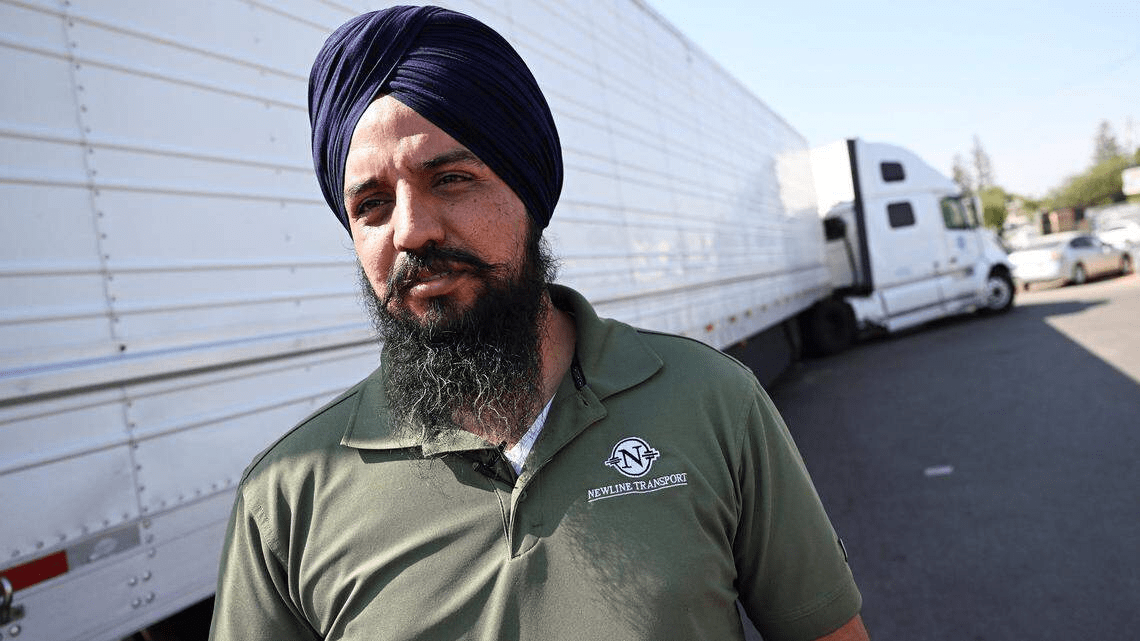
Community groups and advocacy organisations say the impact has fallen disproportionately on Punjabi Sikh truckers, many of whom migrated to the United States over the past two decades and built stable livelihoods in freight transport.
The trucking sector has historically provided a viable economic pathway for immigrants, especially from Punjab, with estimates suggesting that tens of thousands of Punjabi drivers are employed across the US. For many, long-haul trucking is not just a job but a generational enterprise supporting families both in America and back home in India.
With their commercial licences revoked, affected drivers now face limited options: downgrading to standard driving licences, shifting to lower-paying work, or entering lengthy legal appeals. Organisations such as UNITED SIKHS have stepped in to assist drivers exploring legal remedies.
Safety Concerns Behind the Decision
State lawmakers defended the legislation by citing public safety concerns. The move follows several high-profile accidents involving non-domiciled CDL holders, including a fatal crash in Hendricks County linked to an Indian national.
Officials have described heavy commercial vehicles as potentially dangerous if not operated under strict standards, stressing the importance of verified driving histories, English language proficiency, and formal training.
The Indiana law aligns with broader federal efforts led by the Federal Motor Carrier Safety Administration to increase oversight of foreign commercial drivers. Indiana is the first state to enforce such wide-ranging restrictions, though similar actions have been reported in states like California, where thousands of licences have also been reviewed or cancelled.
Industry Faces Fresh Uncertainty
The timing of the crackdown has raised concerns within the logistics sector, which is already facing a shortage of truck drivers. Industry experts warn that removing a significant segment of the workforce could further strain supply chains and increase transportation costs.
For now, affected drivers have been advised to consult the Indiana BMV portal or local offices to explore appeal options or determine if they qualify under the limited visa exemptions.
As the policy’s impact unfolds, it is likely to spark broader debate over immigration, labour needs, and road safety in one of America’s most critical industries.