
AI Generated Summary
- A recent analysis by the Network Contagion Research Institute (NCRI), detailed in reports and covered in outlets like The Free Press, highlights a dramatic escalation in online anti-Indian content.
- Community organizations and researchers urge platforms to improve moderation of coordinated campaigns, while calling for greater awareness to protect the contributions of Indian Americans to U.
- population, has achieved significant success in fields like technology, business, and entrepreneurship, this visibility has coincided with a surge in targeted animosity, often tied to debates over immigration, visas, national identity, and economic competition.
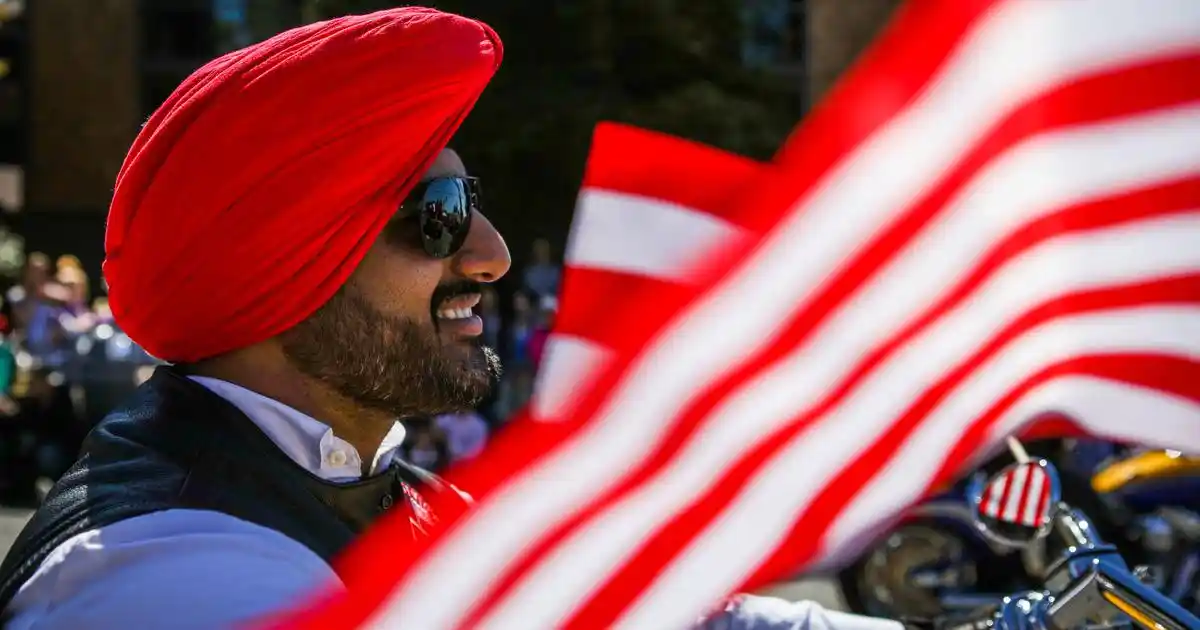
The anti-Indian sentiment in the United States has become a growing concern for the Indian diaspora, manifesting primarily through online hostility, public harassment, and discriminatory rhetoric. While the Indian American community, numbering around 5.2 million and representing about 1.6% of the U.S. population, has achieved significant success in fields like technology, business, and entrepreneurship, this visibility has coincided with a surge in targeted animosity, often tied to debates over immigration, visas, national identity, and economic competition.
A recent analysis by the Network Contagion Research Institute (NCRI), detailed in reports and covered in outlets like The Free Press, highlights a dramatic escalation in online anti-Indian content. In 2025, anti-Indian discourse on platform X (formerly Twitter) nearly tripled compared to 2024 levels. This surge was not driven by widespread organic engagement but by a small network of highly active accounts and influencers.
The NCRI’s findings, including in their broader examination of immigration-related debates (such as the report “From Policy Drift to Purity Grift: How a Small Network Hijacked the Immigration Debate”), point to how targeted rhetoric—often blending anti-immigrant themes with racial or cultural stereotypes—spreads rapidly through algorithms and echo chambers. This online amplification has real-world implications, contributing to reported increases in verbal abuse, workplace discrimination, and isolated physical incidents targeting individuals of Indian origin.
The Indian diaspora has responded with advocacy efforts. Groups like the Indian American Advocacy Council (IAAC) launched the “Stop Indian Hate” initiative, including a hate incident tracker documenting verified cases of online abuse, public harassment, and discrimination from late 2025 into early 2026. Reports from Non-Resident Indians (NRIs) describe heightened aggression, particularly following political shifts, with some community leaders noting verbal and physical attacks linked to anti-immigrant sentiments.
This trend echoes historical patterns of prejudice against minority groups in the U.S., including earlier episodes of anti-Hindu violence in the 1980s (such as the “dot busters” gang in New Jersey). While overt physical attacks remain relatively rare today, the digital nature of much current hostility—fueled by influencers and subcultural platforms—raises alarms about potential escalation. NCRI’s work underscores how such rhetoric can normalize bias and correlate with offline harm, drawing parallels to other forms of tracked online hate.
Community organizations and researchers urge platforms to improve moderation of coordinated campaigns, while calling for greater awareness to protect the contributions of Indian Americans to U.S. society. As immigration and tech policy debates continue, addressing this rising tide of anti-India hate will be crucial to maintaining social cohesion in an increasingly diverse nation.