


AI Generated Summary
- It is a toxic pattern of extremism, intimidation, and glorification of violence that has been kept alive by a handful in the diaspora today as a grotesque parody of activism.
- “Khalistan ‘referendum’ is coming back to Alberta… There is a pattern where the ‘referendum’ repeats itself in the same states and provinces.
- There is a pattern where the “referendum” repeats itself in the same states and provinces.
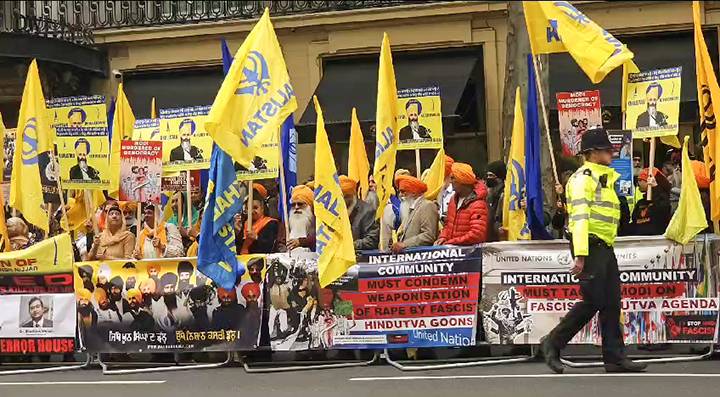
The Khalistan movement is not a noble quest for self-determination. It is a toxic pattern of extremism, intimidation, and glorification of violence that has been kept alive by a handful in the diaspora today as a grotesque parody of activism. Canadian investigative journalist Mocha Bezirgan, who has covered over 37 Khalistan events across Canada, the US, UK, and beyond, has documented this cycle with unflinching clarity. In one recent tweet, he noted the farce of their so-called “referendums”: “Khalistan ‘referendum’ is coming back to Alberta… There is a pattern where the ‘referendum’ repeats itself in the same states and provinces.” These votes never conclude; they simply recycle in the same venues, drumming up the same fringe crowds while the real goal—perpetual grievance and radicalization—marches on.
Khalistan “referendum” is coming back to Alberta. They were already here last year.
— Mocha Bezirgan 🇨🇦 (@BezirganMocha) March 22, 2026
There is a pattern where the “referendum” repeats itself in the same states and provinces.
I guess it’ll never conclude, and maybe that’s actually a good thing since it takes Dr. Bakhshish away… https://t.co/dwVQVWXgEj
The pattern began in blood. The 1985 Air India bombing—masterminded by Babbar Khalsa extremists—killed 329 people, the deadliest act of aviation terrorism before 9/11.
Today, the cycle repeats with chilling familiarity. Groups like Sikhs for Justice (SFJ) and the Council of Khalistan stage endless polls that amount to glorified picnics with swords, “Khalistan Zindabad” chants, and Indian flag desecrations. Leaders like Dr. Bakhshish Singh Sandhu—self-styled President of the Council of Khalistan and SFJ co-founder—embody the persistence. Sandhu tirelessly promotes “Punjab Hul Khalistan” and referendums from the safety of the United States, framing separatism as a UN-protected “political opinion.” Mocha Bezirgan has rightly mocked him as “Dr. Khalistan,” pointing to his questionable medical credentials from a long-shuttered Dominican diploma mill (CETEC, closed in 1984 for selling fake degrees). This is no statesman; he is a career separatist peddling the same failed dream that once drowned Punjab in blood.
The violence that accompanies this rhetoric exposes the movement’s true face. At a Vancouver rally in June 2025 glorifying Indira Gandhi’s assassins, pro-Khalistani activists surrounded journalist Mocha Bezirgan, snatched his phone, and threatened him. “I was surrounded by multiple Khalistanis who acted like thugs,” he tweeted, still shaken hours later. “These intimidation tactics won’t stop me.” The pattern escalated horrifically in March 2026 when Sikh critic Nancy Grewal was stabbed to death in Ontario. A Khalistani-linked account claimed responsibility, echoing the targeted killings of the 1980s. Critics, journalists, and moderate Sikhs face death threats, disinformation campaigns, and physical assaults—sword-wielding goons at Ottawa events, “kill” slogans, and harassment of anyone daring to question the narrative.
This is not activism; it is extremism masquerading as protest. It stifles free speech on Western soil, strains India-Canada relations, and damages the vast majority of law-abiding Sikhs who want nothing to do with separatism. By glorifying assassins like Mewa Singh and dragging children to rallies to groom the next generation, Khalistanis ensure the cycle never breaks: grievance, radicalization, violence, crackdown, diaspora exile, repeat.