


AI Generated Summary
- The exercise is designed to manufacture the appearance of a popular mandate while carefully avoiding the one place where the idea has been repeatedly rejected.
- The overwhelming majority of Sikhs in India and a large share of the diaspora itself have moved on.
- It speaks for a fringe that thrives on division, nostalgia for a failed insurgency, and the convenient distance of geography.
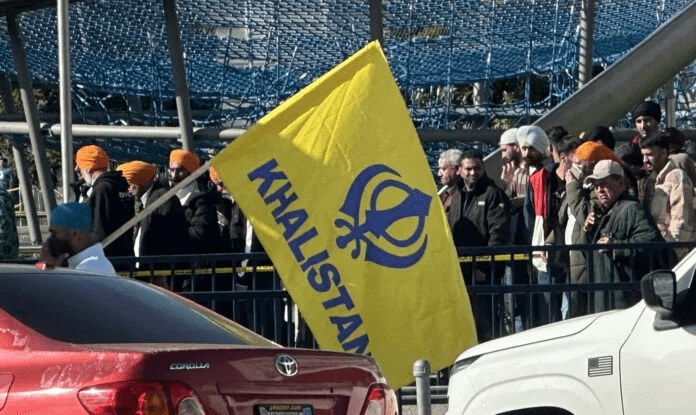
On August 16th, at Richard G. Lugar Plaza in downtown Indianapolis, Sikhs for Justice staged yet another “Khalistan referendum.” Organizers claimed thousands of American Sikhs braved the heat to vote for an independent Sikh state. Gurpatwant Singh Pannun declared Shimla the capital of this imaginary republic and urged Sikhs in India to arm themselves. The spectacle included convoys, billboards, and yellow flags. It changed nothing.
This is not democracy. It is diaspora theater.
The so-called referendums are non-binding, unsupervised by any legitimate electoral authority, and held exclusively among self-selected members of the Sikh diaspora in Western cities. No independent verification of identity prevents multiple voting. Turnout claims are routinely inflated and impossible to audit. Most critically, the people who actually live in Punjab—the only population whose consent would matter—are never asked. The exercise is designed to manufacture the appearance of a popular mandate while carefully avoiding the one place where the idea has been repeatedly rejected.
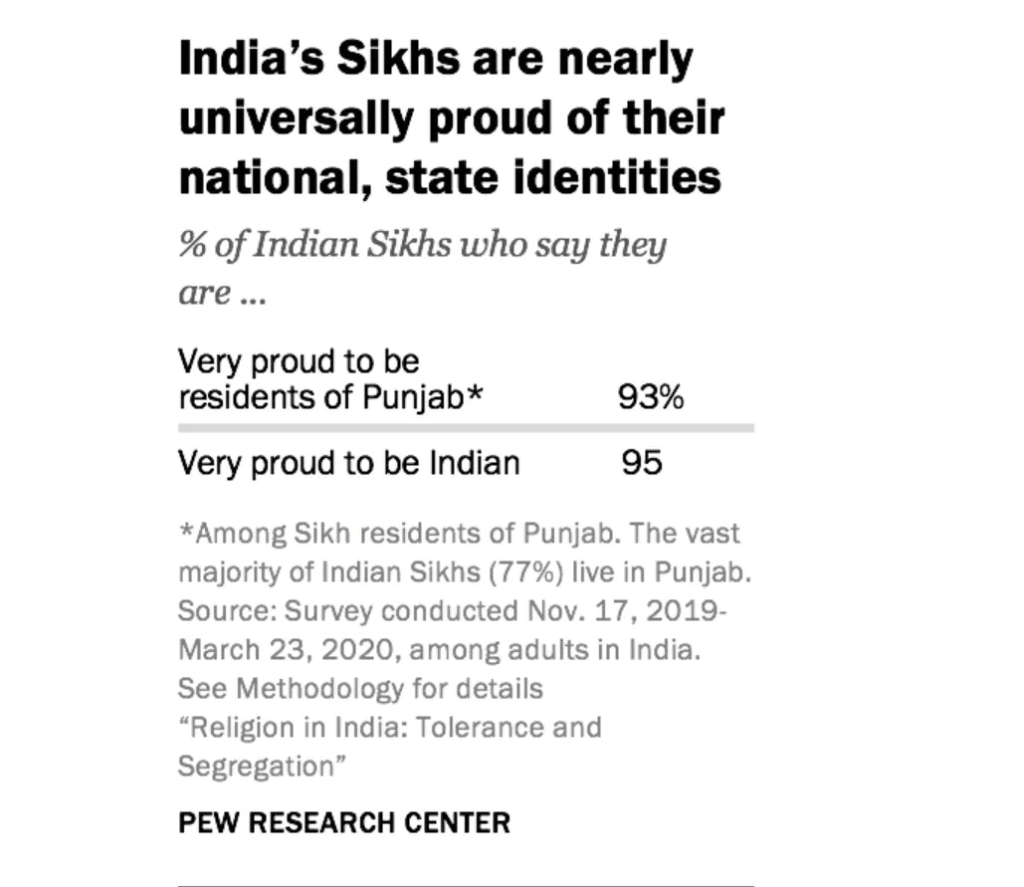
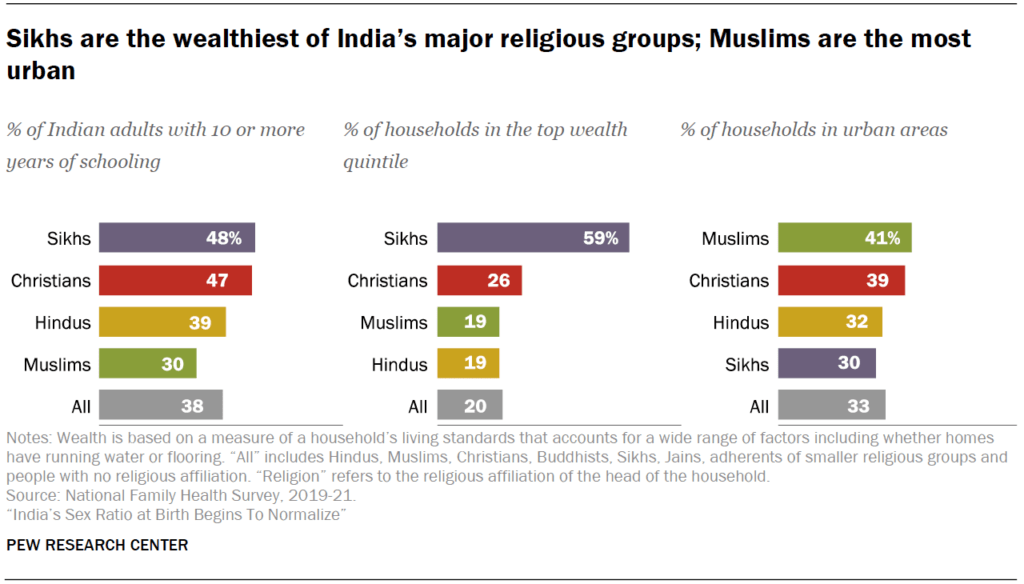
Survey after survey confirms the reality on the ground. A 2021 Pew Research Center study found that 95 percent of Sikhs in India say they are very proud to be Indian. Seventy percent say a person who disrespects India cannot be a Sikh. Electoral results in Punjab tell the same story: parties that openly flirt with separatism remain marginal.
Sikhs for Justice has been banned under anti-terror laws for good reason. Its leadership lives safely in the West, free to exploit free-speech protections while demanding the dismemberment of a democratic country. The Indianapolis vote was the latest in a series of symbolic exercises in San Francisco, Sacramento, Los Angeles, Washington, Seattle and elsewhere. Each one produces the same result: enthusiastic yes votes from a motivated minority abroad, zero legal or political consequence, and another opportunity for extremists to keep the grievance industry alive.
Pannun’s rhetoric at these events often slides from ballot boxes to bullets. Talk of “defensive armed resistance,” “homeland security forces,” and the right to arm against a supposed “silent genocide” is not the language of peaceful self-determination. It is the language of those who know their cause has no democratic future inside India and therefore must sustain itself through perpetual agitation overseas.
Western democracies should not be naïve. Free speech protects the right to stage these events. It does not require governments or publics to treat them as serious expressions of popular will. The overwhelming majority of Sikhs in India and a large share of the diaspora itself have moved on. They build businesses, serve in the armed forces, participate in politics, and take pride in Indian citizenship. The referendum circuit does not speak for them. It speaks for a fringe that thrives on division, nostalgia for a failed insurgency, and the convenient distance of geography.
Indianapolis hosted a performance, not a vote. Calling it a referendum does not make it one. The real measure of Sikh opinion remains where it has always been: in Punjab, among the people who would have to live with the consequences. They have already answered.