


AI Generated Summary
- The recent case in Hounslow, where over 200 members of the Sikh community mobilized to rescue a 16-year-old girl allegedly groomed since her early teens by a 34-year-old man of Pakistani origin, should shock Britain into action.
- When SFJ rushes to condemn perceived wrongs in one context but ignores the systematic exploitation of Sikh girls in Britain, it undermines claims of principled advocacy and suggests troubling ties to interests that benefit from downplaying such crimes.
- While national data remains flawed and incomplete, with ethnicity unrecorded in two-thirds of cases, local evidence from forces like Greater Manchester, South Yorkshire, and West Yorkshire shows a clear over-representation of men of Pakistani heritage among perpetrators in these organized grooming operations.
The recent case in Hounslow, where over 200 members of the Sikh community mobilized to rescue a 16-year-old girl allegedly groomed since her early teens by a 34-year-old man of Pakistani origin, should shock Britain into action. Yet it barely registers as a national scandal. This is not an isolated tragedy, it’s the latest symptom of a long-running, ethnically patterned crisis of group-based child sexual exploitation that authorities have repeatedly failed to confront head-on.
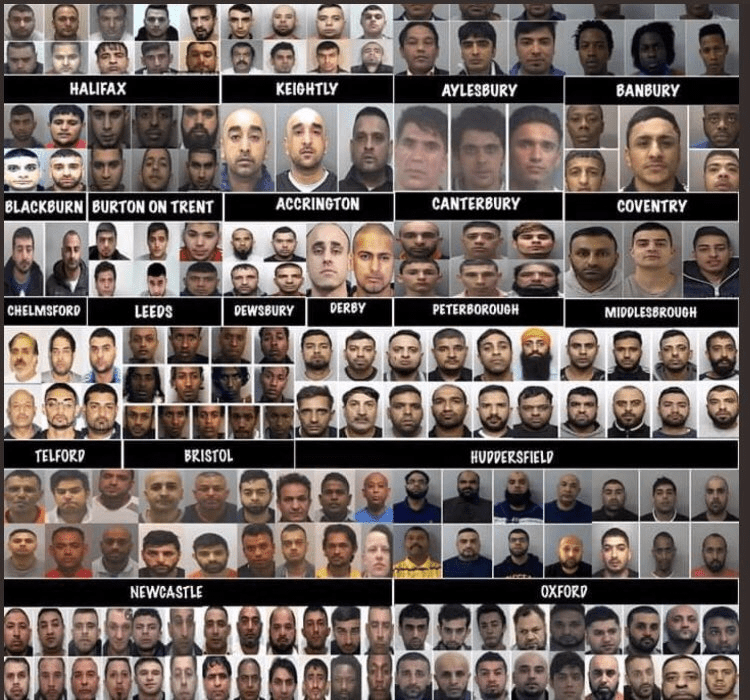
Baroness Louise Casey’s National Audit on Group-based Child Sexual Exploitation and Abuse, published in June 2025, laid bare the uncomfortable truths. While national data remains flawed and incomplete, with ethnicity unrecorded in two-thirds of cases, local evidence from forces like Greater Manchester, South Yorkshire, and West Yorkshire shows a clear over-representation of men of Pakistani heritage among perpetrators in these organized grooming operations. The audit highlighted institutional reluctance to examine this pattern, fearing accusations of racism, even as vulnerable girls aged 11-17 continue to be targeted, plied with gifts, drugs, alcohol, and false promises of love before being sexually exploited, trafficked, and discarded.
The Hounslow incident fits this grim template precisely. The girl had reportedly been groomed for 2-3 years, eventually leaving home to live with her abuser. Her parents sought police help multiple times, to no avail. Only when Sikh groups like Shere Punjab and Sikh Youth UK stepped in did authorities act, arresting the man on suspicion of assault (though he was quickly released on bail). Community intervention succeeded where the state failed, yet again.
These crimes are not random; survivors and advocates from Sikh and Hindu communities have long documented targeted grooming of non-Muslim girls, sometimes framed in extremist rhetoric as acts of conquest or “jihad.” Sikh organizations report decades of such patterns, with perpetrators exploiting cultural similarities to build trust before isolating victims from their families. The result: shattered lives, traumatized families, and a growing sense among minority communities that British institutions prioritize political correctness over child protection.
Most damning is the selective outrage. Groups like Sikhs for Justice (SFJ), which has mobilized global protests over alleged injustices elsewhere, including vocal campaigns against India and in support of causes linked to Pakistan, have remained conspicuously silent on these grooming cases involving Pakistani-origin networks in the UK. This deafening quietude raises serious questions about alignments and priorities. When SFJ rushes to condemn perceived wrongs in one context but ignores the systematic exploitation of Sikh girls in Britain, it undermines claims of principled advocacy and suggests troubling ties to interests that benefit from downplaying such crimes.
Britain cannot afford more denial. The Casey audit called for better data, mandatory ethnicity recording, and a full statutory inquiry, steps the government has belatedly endorsed. But words are not enough. Police must investigate without fear of offending cultural sensitivities. Prosecutors need resources to pursue these complex cases aggressively. Communities affected deserve protection, not platitudes about “community cohesion.”
BREAKING: UK audit on grooming gangs finds:
— Ridvan Aydemir | Apostate Prophet (@ApostateProphet) June 16, 2025
"Clear evidence of over-representation among suspects of ASIAN AND PAKISTANI heritage men" and "examples of organisations avoiding the topic altogether for fear of appearing racist or raising community tensions." pic.twitter.com/Z6gqTZUgpp
The abuse of children is evil in any form. When it follows ethnic and cultural patterns, ignoring those patterns does not combat racism, it enables predators and betrays victims. The Hounslow rescue was a victory for community solidarity, but it is a damning indictment of state failure. Until Britain confronts the full reality of these grooming networks without flinching, more girls will suffer, and trust in institutions will continue to erode. The time for half-measures and silence is over. Protect the children – NOW.