


AI Generated Summary
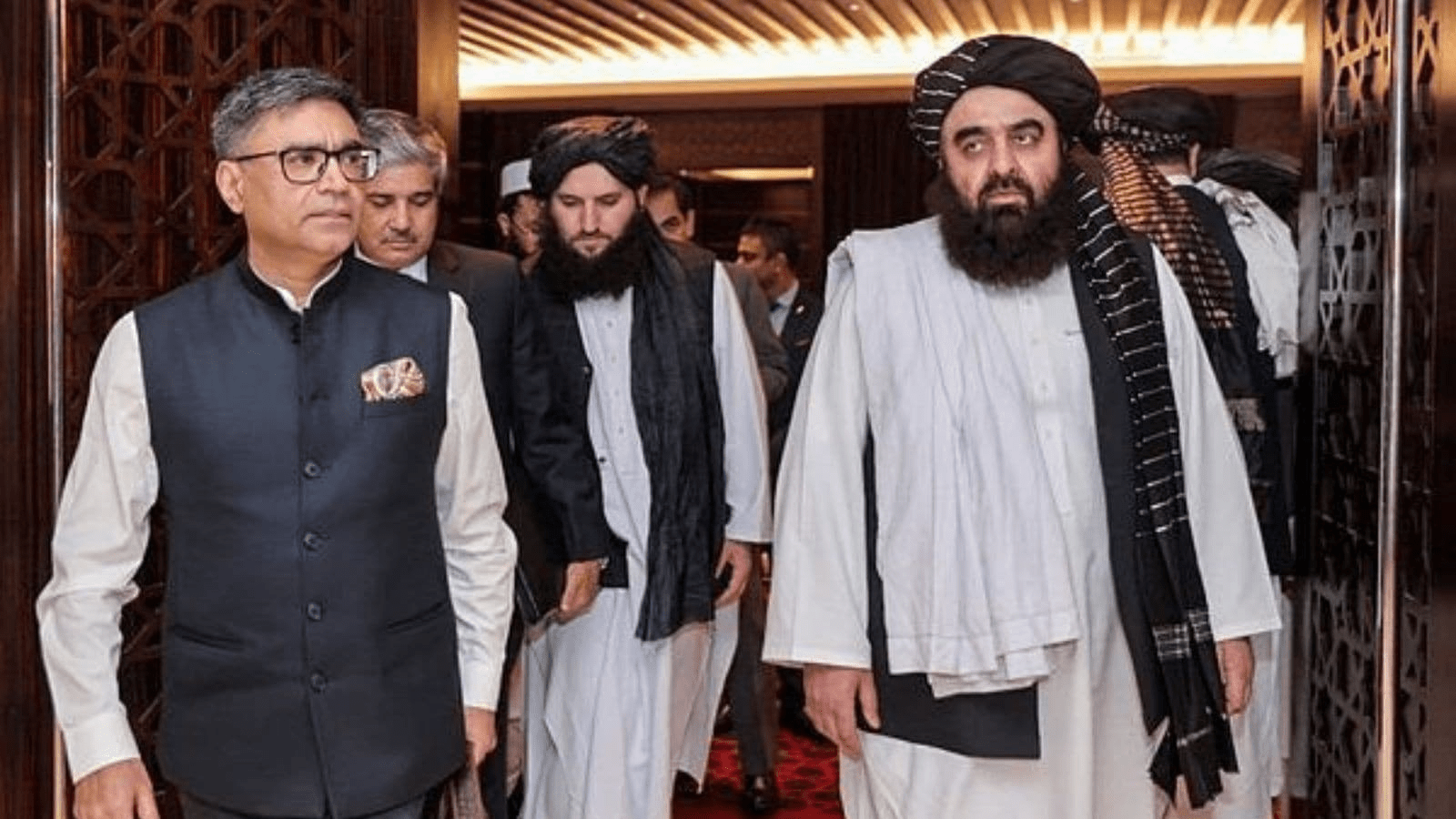
- In a pointed address to the United Nations Security Council (UNSC), India has advocated for a “pragmatic engagement” with the Taliban regime in Afghanistan, urging the international community to shift from purely punitive measures toward policies that incentivize positive actions and deliver tangible benefits to the Afghan people.
- India’s Permanent Representative to the UN, Ambassador Parvathaneni Harish, delivered the remarks during a UNSC briefing on the situation in Afghanistan on December 10, emphasizing the need for nuanced approaches to humanitarian aid, sustainable development, and counter-terrorism efforts.
- A focus on only punitive measures will only ensure that a ‘business as usual’ approach continues as we have been seeing now for the last four and a half years,” Harish stated.
In a pointed address to the United Nations Security Council (UNSC), India has advocated for a “pragmatic engagement” with the Taliban regime in Afghanistan, urging the international community to shift from purely punitive measures toward policies that incentivize positive actions and deliver tangible benefits to the Afghan people.
India’s Permanent Representative to the UN, Ambassador Parvathaneni Harish, delivered the remarks during a UNSC briefing on the situation in Afghanistan on December 10, emphasizing the need for nuanced approaches to humanitarian aid, sustainable development, and counter-terrorism efforts. “India calls for a pragmatic engagement with the Taliban. A coherent policy of engagement should incentivise positive actions. A focus on only punitive measures will only ensure that a ‘business as usual’ approach continues as we have been seeing now for the last four and a half years,” Harish stated.
The envoy’s comments come amid escalating regional tensions, particularly following recent Pakistani airstrikes in Afghanistan that India has condemned as “acts of war” against civilians, including women, children, and even cricketers. Harish highlighted the “grave concern” over what he termed “trade and transit terrorism,” where Afghanistan—a landlocked developing country—faces cynical blockades violating World Trade Organization (WTO) norms and the UN Charter. “These acts… constitute a blatant violation of the U.N. Charter and international law,” he asserted, while reaffirming India’s strong support for Afghanistan’s territorial integrity, sovereignty, and independence.
A Shift from Isolation to Incentives
India’s call for engagement reflects a broader evolution in its Afghanistan policy since the Taliban’s return to power in August 2021. While New Delhi has not formally recognized the Islamist group, it has pursued a “pragmatic” track record of humanitarian assistance and quiet diplomacy to safeguard its strategic interests and prevent the resurgence of terrorism that could spill over into South Asia. This approach gained momentum in October 2025 when India restored its technical mission in Kabul to full embassy status, marking it as the first major democracy to reopen diplomatic channels with the Taliban-led administration.
Harish underscored India’s commitment to Afghanistan’s development, noting over 500 partnership projects spanning all provinces in areas like healthcare, infrastructure, education, and food security. “We will continue our engagements with all stakeholders to augment our contribution to Afghanistan’s comprehensive development, humanitarian assistance, and capacity-building initiatives, in keeping with the priorities and aspirations of Afghan society,” he said. Recent high-level visits by Afghan officials to India have further deepened these ties, focusing on social services and economic cooperation.
Yet, India’s outreach is tempered by firm red lines on security. The ambassador renewed calls for coordinated international action against UN-designated terrorist entities, including ISIS-K, Al-Qaeda affiliates, Lashkar-e-Taiba (LeT), Jaish-e-Mohammed (JeM), and proxies like The Resistance Front (TRF). “The international community must coordinate efforts towards ensuring that… no longer indulge in cross border terrorism,” Harish warned, implicitly targeting networks operating from across the Durand Line.
Regional Stability and Global Implications
The UNSC session highlighted the fragility of Afghanistan’s post-2021 landscape, where humanitarian needs remain acute despite Taliban pledges on women’s rights and counter-terrorism. India’s position aligns with a growing chorus from regional powers advocating calibrated diplomacy over outright isolation, which has arguably prolonged instability and empowered hardliners. By prioritizing incentives—such as easing asset freezes or expanding aid corridors—New Delhi argues that the global community can foster accountability without compromising core principles.
As Afghanistan grapples with economic collapse and refugee outflows, India’s stance positions it as a stabilizing force in a volatile neighborhood. With rivals like Pakistan and China vying for influence, New Delhi’s blend of aid, diplomacy, and deterrence could reshape South Asian dynamics. “Coordinated regional and international cooperation on key issues concerning Afghanistan is paramount,” Harish concluded, signaling India’s intent to lead by example.