


AI Generated Summary
- During the partition violence of 1947, massacres in areas like Rawalpindi and Mirpur claimed thousands of Sikh (and Hindu) lives, with estimates of 2,000 to 7,000 killed in Rawalpindi alone and up to 20,000 in Mirpur amid ethnic cleansing, mass expulsions, rapes, and abductions that decimated Sikh populations in what became Pakistan.
- In more recent times, Sikh women have faced targeted abductions, forced conversions to Islam, and coerced marriages, exemplified by the 2019 case of Jagjit Kaur in Nankana Sahib, who was kidnapped at gunpoint, converted, and married to a Muslim man, with the judiciary ultimately favoring her abductor’s claims.
- Sikh men, identifiable by their turbans and beards, endure verbal and physical abuse, targeted killings (such as the 2023 shootings of shopkeepers Dayal Singh and Manmohan Singh in Peshawar and nearby areas), and land grabs or property disputes often masked under blasphemy allegations or mob violence.
Gurvinder Singh, a Sikh businessman from Peshawar, highlights a troubling pattern of systemic neglect and bias against religious minorities in Pakistan. Singh says he was defrauded of PKR 75 million (approximately USD 270,000) between 2022 and 2023 by three local Muslim associates, Bilal Iqbal, Zulfiqar, and Raj Wali, with whom he co-managed a mobile phone showroom. After discovering the embezzlement, he filed an FIR with Peshawar police. The accused issued bounced cheques and written undertakings on stamp paper promising repayment, yet they have faced no meaningful consequences. Courts at multiple levels, including the trial court, sessions court, and Peshawar High Court, have ruled in Singh’s favor, yet the perpetrators remain free, and his funds unrecovered. Despite appeals to Khyber Pakhtunkhwa Chief Minister Sohail Afridi, the provincial and federal governments, and even Pakistan Army Chief Asim Munir, no intervention has materialized. Singh attributes this inaction directly to his minority status as a Sikh, accusing Pakistani authorities of systemic bias that deprioritizes justice for non-Muslims.
This is not an isolated grievance but part of a broader, entrenched failure to protect Pakistan’s Sikh community and other minorities. Historical and recent cases illustrate a long-standing pattern of persecution. During the partition violence of 1947, massacres in areas like Rawalpindi and Mirpur claimed thousands of Sikh (and Hindu) lives, with estimates of 2,000 to 7,000 killed in Rawalpindi alone and up to 20,000 in Mirpur amid ethnic cleansing, mass expulsions, rapes, and abductions that decimated Sikh populations in what became Pakistan.
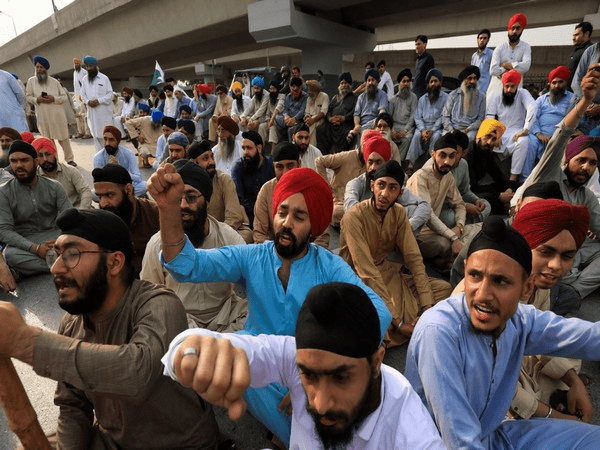
In more recent times, Sikh women have faced targeted abductions, forced conversions to Islam, and coerced marriages, exemplified by the 2019 case of Jagjit Kaur in Nankana Sahib, who was kidnapped at gunpoint, converted, and married to a Muslim man, with the judiciary ultimately favoring her abductor’s claims. Sikh men, identifiable by their turbans and beards, endure verbal and physical abuse, targeted killings (such as the 2023 shootings of shopkeepers Dayal Singh and Manmohan Singh in Peshawar and nearby areas), and land grabs or property disputes often masked under blasphemy allegations or mob violence. Gurdwaras and other minority sites suffer neglect, vandalism, or attacks, as seen in the 2020 mob assault on Gurdwara Janam Asthan in Nankana Sahib amid tensions over a conversion case. Reports from human rights groups and the U.S. State Department document ongoing issues: at least four Sikhs killed for their faith in recent years, hundreds of forced conversions annually involving Sikh (and other minority) girls, and widespread discrimination in law enforcement and administration that leaves minorities vulnerable to exploitation without recourse.
Gurvinder Singh’s ordeal exemplifies how economic predation intersects with religious marginalization in Pakistan. When minorities succeed in business or hold assets, they become targets for fraud or seizure, with the state machinery, police, courts, and officials, failing to enforce remedies due to ingrained prejudice. The judiciary’s favorable rulings become meaningless without executive enforcement, revealing a deeper institutional reluctance to uphold minority rights. This not only denies justice to individuals like Singh but perpetuates a cycle of insecurity that drives emigration and erodes Pakistan’s already dwindling Sikh population.
Pakistan’s constitution promises equality and protection for religious minorities, yet the reality is one of repeated betrayal. True reform requires more than rhetoric: it demands independent investigations, swift enforcement of court orders, accountability for biased officials, and safeguards against exploitation of blasphemy laws or mob incitement. Until then, cases like Gurvinder Singh’s will continue to expose the gap between Pakistan’s professed ideals and its treatment of its most vulnerable citizens. The international community, including those with historical ties to Sikh heritage, must press for genuine protections, lest the slow erasure of Pakistan’s Sikh community becomes irreversible.