


AI Generated Summary
- As violence continues and public pressure mounts, municipalities across Canada are calling for a coordinated national response—one that addresses not only the immediate wave of extortion, but also the systemic vulnerabilities that allow organized crime and extremist elements to operate within the country.
- , is facing an escalating crisis as extortion and gang-related violence grips the city, prompting renewed calls for federal intervention and raising wider concerns about immigration fraud and extremist activity on Canadian streets.
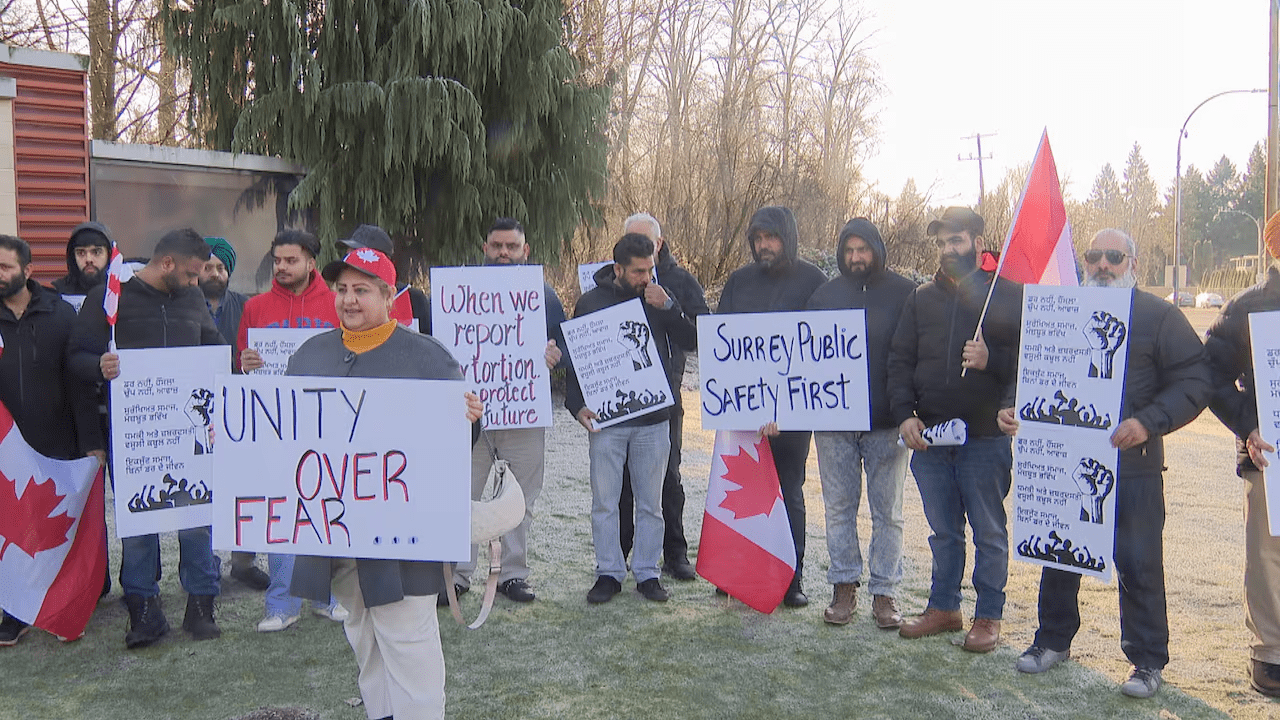
- Mayor Brenda Locke has urged Ottawa to declare a federal state of emergency in response to what she describes as an unprecedented wave of extortion targeting families and small businesses.
Surrey, B.C., is facing an escalating crisis as extortion and gang-related violence grips the city, prompting renewed calls for federal intervention and raising wider concerns about immigration fraud and extremist activity on Canadian streets.
Mayor Brenda Locke has urged Ottawa to declare a federal state of emergency in response to what she describes as an unprecedented wave of extortion targeting families and small businesses. By mid-January 2026, Surrey RCMP had recorded 35 extortion cases, including at least eight shootings believed to be connected to threats and intimidation campaigns.
“These are not isolated incidents,” Locke said. “We are dealing with organized criminal networks that are terrorizing our community. We need immediate federal support, more RCMP resources, and the creation of a national extortion commissioner to coordinate enforcement across the country.”
The surge in extortion has also intensified scrutiny of Canada’s Temporary Foreign Worker Program (TFWP) and the Labour Market Impact Assessment (LMIA) system. Critics warn that LMIA approvals are being abused by some business owners, consulting firms and immigration intermediaries to facilitate fraudulent work permits.
Law enforcement sources and community advocates say some individuals brought into Canada through these schemes are being exploited by criminal organizations or, in some cases, becoming involved in extortion, assaults and other serious offences.
Amnesty International has previously described aspects of the TFWP as a “modern form of slavery,” citing situations where vulnerable workers are trapped in debt, forced to pay illegal recruitment fees, or threatened with deportation if they speak out.
“The system is creating conditions that allow exploitation and organized crime to flourish,” said one immigration policy analyst. “We need aggressive investigations into large-scale immigration fraud and stronger protections for workers.”
Adding to public anxiety are ongoing concerns about extremist elements operating in Canada, including individuals linked to Khalistani separatist networks. Police and security agencies have acknowledged monitoring groups and individuals suspected of fundraising, intimidation and violent activity connected to overseas conflicts.
Residents in parts of Surrey and the Greater Toronto Area report increased fear as clashes between rival gangs, transnational criminal groups and alleged extremist supporters spill into public spaces.
“We are seeing a convergence of organized crime, fraud and extremism,” said a former senior law enforcement official. “These networks are highly adaptive and often interconnected. Addressing one piece without tackling the others will not solve the problem.”
Federal officials say they are reviewing measures to strengthen border screening, crack down on immigration fraud, and enhance cooperation between police forces and national security agencies. However, critics argue that action has been too slow and fragmented.
For business owners like Raj, who says he received multiple extortion threats last year, solutions cannot come soon enough.
“You work your whole life to build something, and then someone tells you they’ll burn it down or hurt your family,” Patel said. “We need the government to take this seriously. People are scared.”
As violence continues and public pressure mounts, municipalities across Canada are calling for a coordinated national response—one that addresses not only the immediate wave of extortion, but also the systemic vulnerabilities that allow organized crime and extremist elements to operate within the country.