


AI Generated Summary
- The iconic langar at the Golden Temple in Amritsar continues to serve free meals to tens of thousands of devotees daily without any disruption, even as concerns over cooking gas supplies swirl across parts of India due to geopolitical tensions in West Asia.
- As devotees continue to stream into the shrine, the steaming cauldrons and rhythmic preparation of food remain unaffected, a quiet testament to both faith and efficient planning in the face of external uncertainties.
- Run by a dedicated team of around 300 permanent staff and hundreds of volunteers, the kitchen has long symbolised humanity’s shared dignity, welcoming people from all faiths, backgrounds, and walks of life to sit together on the floor and eat as equals.
The iconic langar at the Golden Temple in Amritsar continues to serve free meals to tens of thousands of devotees daily without any disruption, even as concerns over cooking gas supplies swirl across parts of India due to geopolitical tensions in West Asia.
Amid reports of commercial LPG shortages affecting hotels, restaurants, and other establishments in several cities, officials at Sri Harmandir Sahib (the Golden Temple) have confirmed that the massive community kitchen—widely regarded as the world’s largest—faces no immediate fuel crisis.
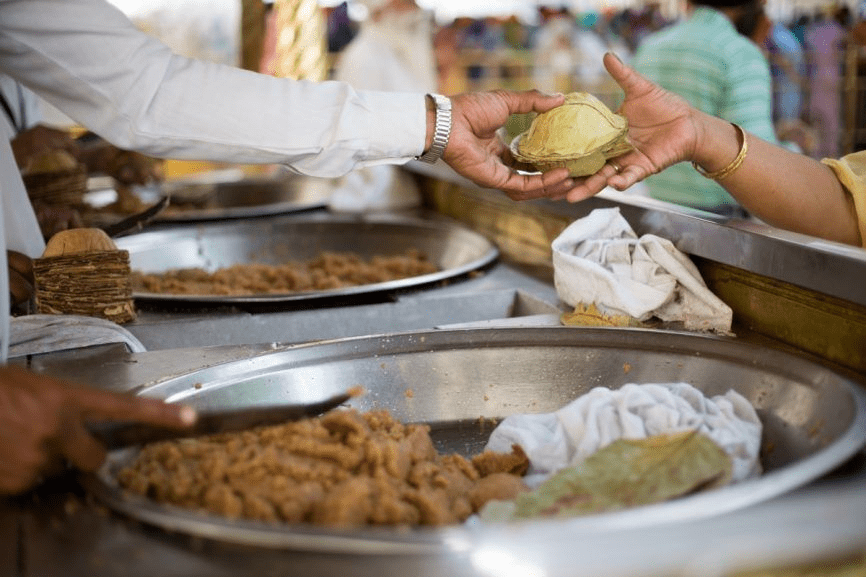
The langar, known as Guru ka Langar, operates around the clock, providing vegetarian meals to an average of 80,000 to 100,000 people every day. These meals include staples such as dal, sabzi, rice, chapati, and kheer, prepared with unwavering commitment to the Sikh principle of equality and selfless service (seva).
According to Bhagwant Singh Dhangera, Manager of Sri Darbar Sahib, the primary source of cooking fuel is compressed natural gas (CNG) delivered through a dedicated pipeline. The kitchen consumes approximately 1,300 units of CNG every 24 hours. As a backup, the facility relies on about 25 to 30 commercial LPG cylinders daily, with additional reserves maintained to ensure continuity.
“Gas supply from the pipeline and cylinders has remained steady, and there has been no shortage or interruption in the langar arrangements,” Dhangera stated. Authorities added that gas agencies stay in regular contact with the temple management to prioritise and sustain deliveries.
The Shiromani Gurdwara Parbandhak Committee (SGPC), which oversees the Golden Temple’s operations, recently wrote to the central government urging measures to guarantee uninterrupted commercial LPG supplies in the future. The appeal comes in light of potential nationwide disruptions linked to the ongoing Israel-Iran tensions, which have impacted global energy chains and led to temporary halts in commercial cylinder refills in some regions.
Officials emphasised that while precautionary steps are being taken, the current stock—including an expected fresh delivery of cylinders—and the pipeline system provide ample buffer. In one report, the management noted having over 500 cylinders in reserve at times to handle any contingencies.
The langar’s resilience underscores its spiritual and logistical significance. Run by a dedicated team of around 300 permanent staff and hundreds of volunteers, the kitchen has long symbolised humanity’s shared dignity, welcoming people from all faiths, backgrounds, and walks of life to sit together on the floor and eat as equals.
As devotees continue to stream into the shrine, the steaming cauldrons and rhythmic preparation of food remain unaffected, a quiet testament to both faith and efficient planning in the face of external uncertainties.