


AI Generated Summary
- As winter sets in, the wetland is witnessing the arrival of thousands of birds that have travelled vast distances from colder parts of the world, filling the skies and waters with life and colour.
- To enhance the experience and ensure responsible tourism, the Wildlife Conservation Department has deployed trained guides to assist visitors in spotting and identifying the diverse species that have arrived at the wetland.
- Also known as Harike Pattan, the wetland and bird sanctuary is a man-made riverine ecosystem spread across the districts of Tarn Taran, Ferozepur and Kapurthala in Punjab.
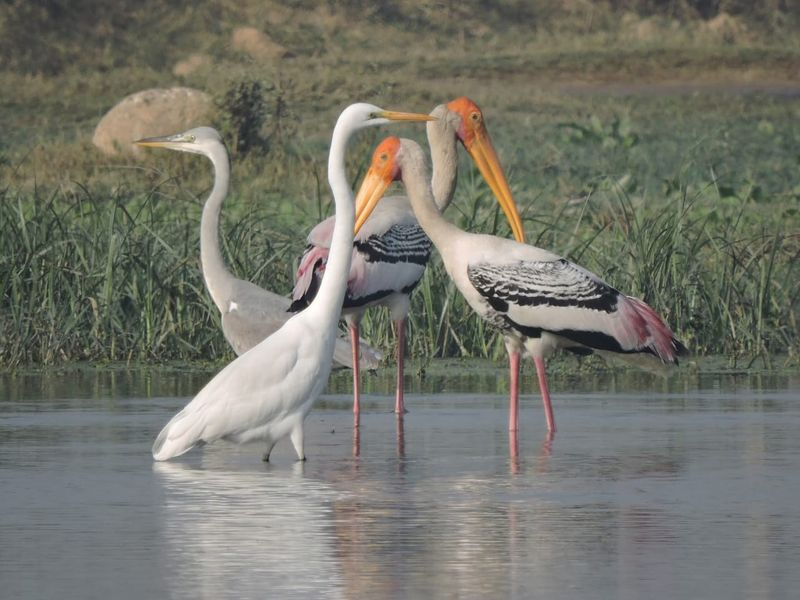
Harike Wetland, nestled at the confluence of the Beas and Sutlej rivers, has once again turned into a vibrant refuge for migratory birds, drawing nature enthusiasts and birdwatchers from across the region. As winter sets in, the wetland is witnessing the arrival of thousands of birds that have travelled vast distances from colder parts of the world, filling the skies and waters with life and colour.
The surge in avian visitors has sparked keen interest among bird lovers, many of whom are making their way to the sanctuary to witness the seasonal spectacle. To enhance the experience and ensure responsible tourism, the Wildlife Conservation Department has deployed trained guides to assist visitors in spotting and identifying the diverse species that have arrived at the wetland.
Also known as Harike Pattan, the wetland and bird sanctuary is a man-made riverine ecosystem spread across the districts of Tarn Taran, Ferozepur and Kapurthala in Punjab. Recognised for its ecological significance, Harike Wetland was designated as one of India’s six wetlands of international importance under the Ramsar Convention in 1990. The Harike headworks serve as a crucial point from where two major canals originate, including the Rajasthan Canal, playing a vital role in water management.
The wetland’s rich aquatic flora and fauna make it a key conservation area in the state. Every winter, it becomes a temporary home to migratory birds from Siberia, Russia, and various parts of Europe. According to records, more than 368 species of birds have been documented here, underlining the area’s importance as a biodiversity hotspot.
To maintain a calm and undisturbed environment for the birds, a significant portion of the wetland—around 86 square kilometres—has been declared a restricted zone. Entry into this area requires prior permission from the Department of Forest and Wildlife Preservation, Punjab. During this period, regulated fishing activities are also carried out, balancing livelihoods with conservation needs.
As flocks continue to arrive, Harike Wetland stands as a reminder of Punjab’s natural heritage and the need to protect these fragile ecosystems. For visitors, it offers not just a visual treat, but also a chance to reconnect with nature and appreciate the remarkable journeys undertaken by these winged travellers.