


AI Generated Summary
- A tiny fringe of Khalistan extremists continues to cast a long shadow over the vast, peaceful Sikh diaspora, bringing undeserved bad name to an entire community renowned for its contributions to society worldwide.
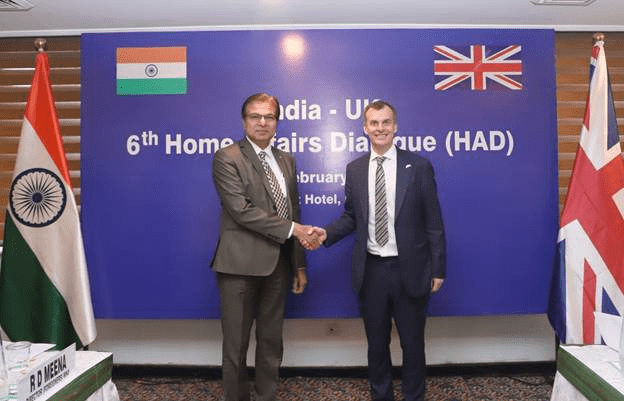
- The sixth India-UK Home Affairs Dialogue, held in New Delhi on February 27, 2026, marked a pivotal moment in bilateral security ties.
- India’s candid intervention at the HAD signals a maturing partnership under the Roadmap 2030, prioritizing counter-terrorism and organized crime.
The sixth India-UK Home Affairs Dialogue, held in New Delhi on February 27, 2026, marked a pivotal moment in bilateral security ties. India firmly raised the Khalistan issue, spotlighting threats from pro-Khalistani extremists operating from UK soil. This dialogue underscores a positive stride not just for India-UK relations but for the global Sikh community.
A tiny fringe of Khalistan extremists continues to cast a long shadow over the vast, peaceful Sikh diaspora, bringing undeserved bad name to an entire community renowned for its contributions to society worldwide. These elements, often masquerading under the guise of free speech and activism, orchestrate threats against Indian diplomats, fund separatist violence back home, and exploit asylum systems to evade justice. From disruptive protests at the Indian High Commission in London to online radicalization campaigns, their actions alienate mainstream Sikhs who cherish India’s pluralistic ethos and reject violence. This notoriety harms community cohesion, fuels stereotypes, and undermines legitimate Sikh advocacy on issues like farmer rights or cultural preservation.
India’s candid intervention at the HAD signals a maturing partnership under the Roadmap 2030, prioritizing counter-terrorism and organized crime. By addressing Khalistani threats alongside cyber security and migration, both nations affirmed shared resolve against extremism. For Sikhs globally, this is welcome: curbing these fringes protects the community’s reputation, allowing focus on prosperity rather than infamy. It echoes India’s successful mending of ties with Canada post-separatist tensions, proving diplomacy yields results.
The UK must indeed take robust steps to dismantle these sinister agendas functioning under the banner of free speech. While democratic freedoms are sacrosanct, they cannot shield terrorism financing, hate mobilization, or attacks on foreign missions—issues flagged in UK’s own 2025 Home Office extremism reports. Enhanced monitoring, swift extraditions, and intelligence-sharing with India would neutralize threats without infringing rights. Pro-Khalistan outfits like those involved in High Commission vandalism misuse hospitality, demanding accountability. London’s action would affirm commitment to the Sikh majority’s peace, fortify alliances, and prevent escalation amid global jihadist-Khalistani overlaps.
This dialogue paves the way for joint operations, reassuring 30 million Sikhs that their faith’s values—seva, sarbat da bhala—prevail over violence and militancy.